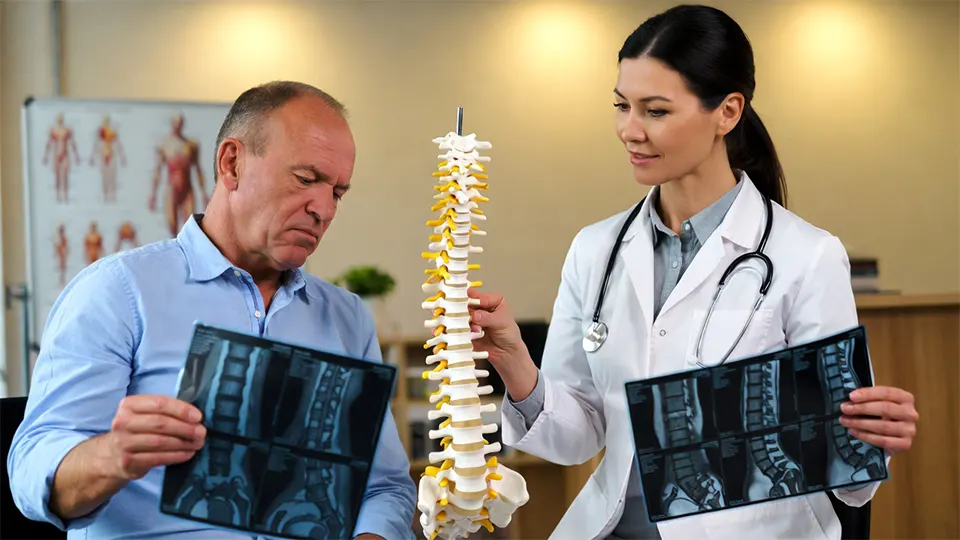
It is a scenario I witness in my clinic with heartbreaking regularity. A new patient walks through the door, moving stiffly, guarding their lower spine, and clutching a thick folder of medical records. They look exhausted—not just from the physical pain, but from the mental toll of hope and disappointment. By the time they type back pain physical therapist near me into a search engine and land in my office, they have usually tried everything: prescription painkillers, chiropractic adjustments, expensive ergonomic chairs, acupuncture, and maybe even a round of cortisone injections.
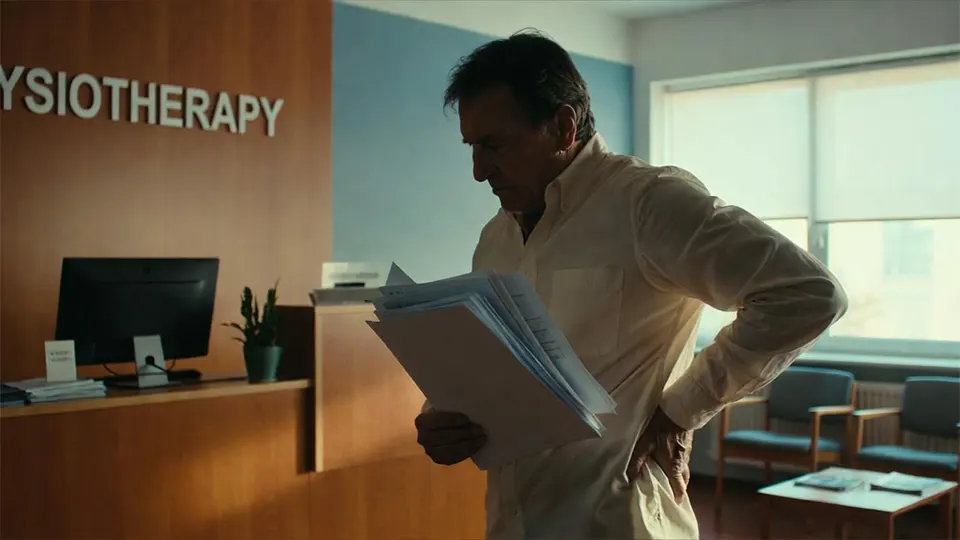
Yet, the pain remains. Or worse, it returns with a vengeance every few months.
Why is it that in an era of advanced medical technology, chronic back pain remains the leading cause of disability worldwide? As a licensed physical therapist who has dedicated a career to treating complex spinal conditions, I have an uncomfortable truth to share with you: 90% of standard back pain treatments fail because they treat the symptoms, not the human.
The medical industry is excellent at acute care—fixing a broken leg or treating an infection. But it is woefully inadequate at managing chronic, mechanical back pain. If you are tired of the “band-aid” approach and the endless cycle of flare-ups, you need to understand why the traditional model is failing you, and more importantly, exactly what you can do to fix it.
One of the primary reasons 90% of treatments fail is the over-reliance on “passive modalities.” These are treatments done to you, rather than things done by you.
If you have attended physiotherapy for back pain in the past, reflect on your sessions. Did they look like this?
10 minutes of heat packs.
10 minutes of ultrasound therapy (the wand with the jelly).
15 minutes of electrical stimulation (TENS unit).
A quick massage.
If this describes your experience, I am sorry to say that you received “feel-good” therapy, not rehabilitative therapy.

The Science of Passive Failure
Ultrasound: While it can increase blood flow slightly, studies show it has negligible effects on healing muscle tissue or resolving disc bulges deep in the spine.
TENS Units: These machines scramble pain signals to the brain, providing temporary relief. However, once the machine is off, the pain signal returns because the underlying dysfunction hasn’t changed.
Massage: Soft tissue mobilization is valuable, but if you loosen a tight muscle that was guarding an unstable spine without strengthening the stabilizers, you might actually make the condition worse.
To truly resolve back pain, the tissue must be loaded and strengthened to handle the demands of your daily life. Passive treatments create a dependency on the therapist. Active treatments create independence.
Perhaps the single biggest barrier to recovery is the terrifying MRI report. I see patients daily who are paralyzed by fear because they were told they have “degenerative disc disease,” “bulging discs,” or “spinal stenosis.”
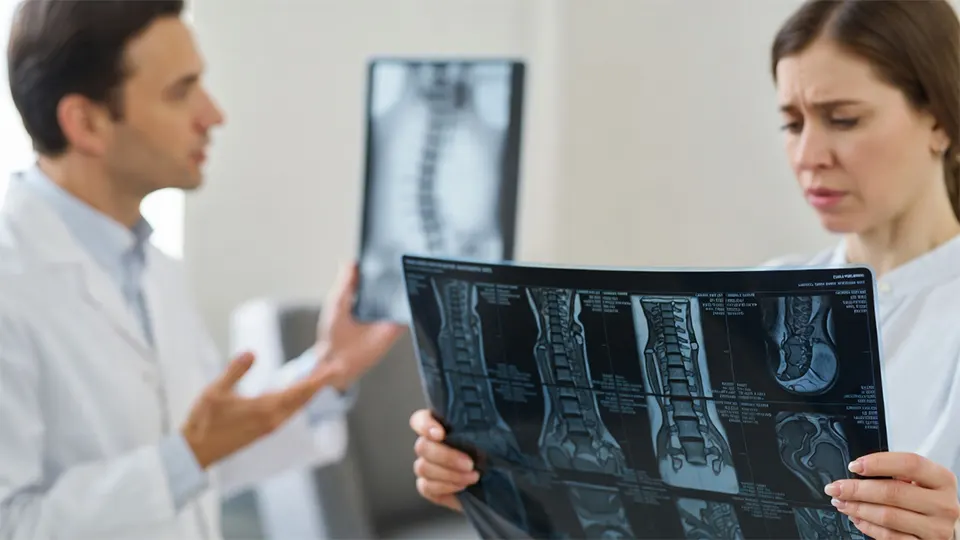
Here is the industry secret that few surgeons will tell you: Structure does not always equal pain.
Groundbreaking studies published in the New England Journal of Medicine and other prestigious journals have consistently shown that if you take 100 people with no back pain whatsoever and give them MRIs, a massive percentage (up to 60-80% depending on age) will show bulging discs, herniations, and arthritis.
These findings are often just the “grey hair” of the spine—normal signs of aging that don’t necessarily cause pain.
The Danger of VOMIT (Victim of Medical Imaging Technology)
There is actually a term in our field for this: VOMIT. When a patient sees a scary term on an MRI, they often develop “kinesiophobia,” or fear of movement. They stop bending, they stop lifting, and they move robotically.
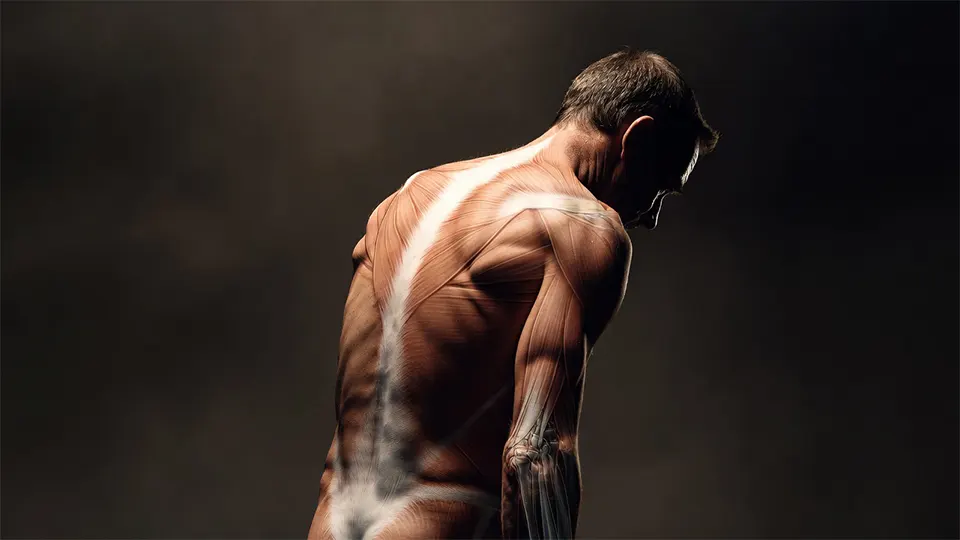
This fear-avoidance behavior leads to:
Muscle Atrophy: The back muscles weaken from disuse.
Stiffness: Joints that don’t move get rusty.
Altered Motor Control: You start using your hips and knees incorrectly to “protect” your back.
A skilled back pain physical therapist near me (or in your local area) should not just treat your MRI. They should treat you. If you have a herniated disc but full range of motion and no pain, that disc is irrelevant. We must treat the clinical presentation, not the picture.
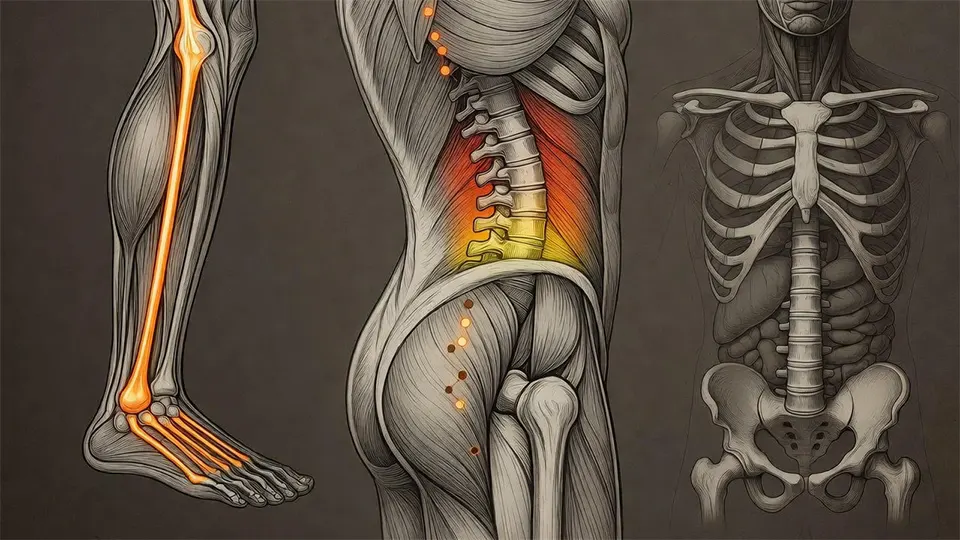
If you have chronic lower back pain, pointing to your lower back and saying “fix this” is often a mistake. The lower back (lumbar spine) is essentially a bridge between your hips and your upper back (thoracic spine). It is a stability joint caught between two mobility joints.
The failure of most treatments lies in “Spot Training” the pain. Here is how the rest of your body sabotages your back:
1. The Stiffness of the Hips
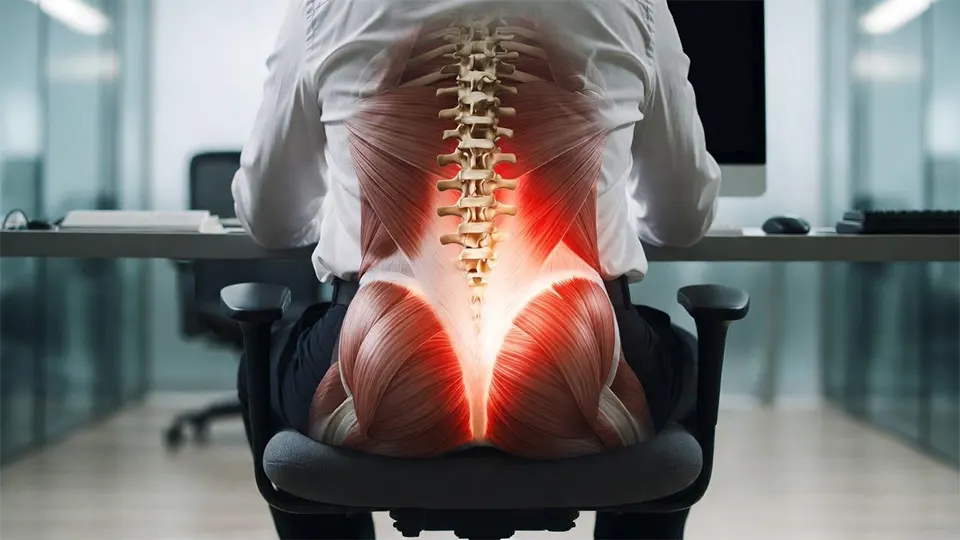
Modern life involves a lot of sitting. This causes the hip flexors to tighten and the glutes (buttock muscles) to go to sleep (gluteal amnesia). When your hips lose mobility, your lower back is forced to move more to compensate.
The Result: Every time you walk or stand, your tight hips drag on your lumbar spine, causing constant low-grade strain. No amount of back massage will fix tight hips.
2. The Frozen Thoracic Spine
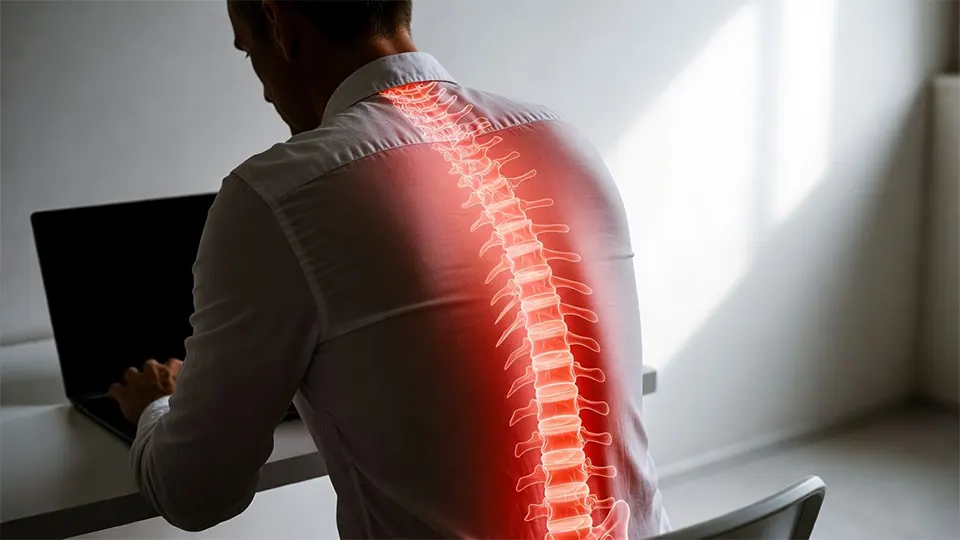
Your upper back is designed to twist and rotate. However, hunching over phones and laptops locks the thoracic spine into a forward curve (kyphosis). When you need to turn around—say, to grab something from the back seat of your car—and your upper back is stuck, your lower back has to do the twisting.
The Result: The lumbar discs, which are not designed for heavy rotation, get torque and tear.
3. The Foundation (Your Feet)
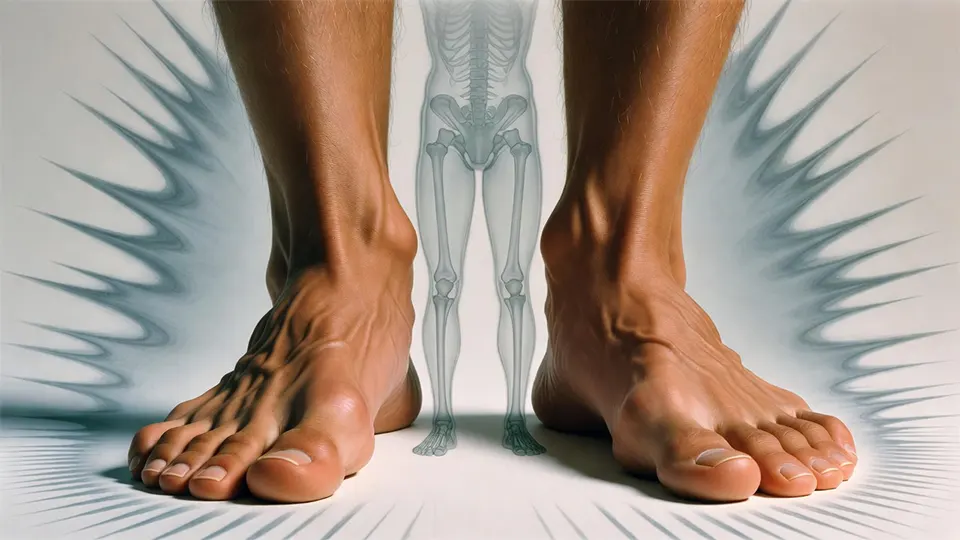
Believe it or not, flat feet or rigid arches can send shockwaves up your legs directly into your spine. If your feet don’t absorb the impact of walking, your lower back becomes the shock absorber.
Effective physiotherapy for back pain must assess this entire “Kinetic Chain.” Treating the lower back in isolation is like trying to dry a floor while the sink is still overflowing—you have to turn off the tap (the root cause) first.
So, what does successful treatment look like? If you are looking for a spine specialist or physical therapist who can actually help, look for a treatment plan built on these three pillars.
Pillar 1: Mechanical Diagnosis (The Directional Preference)
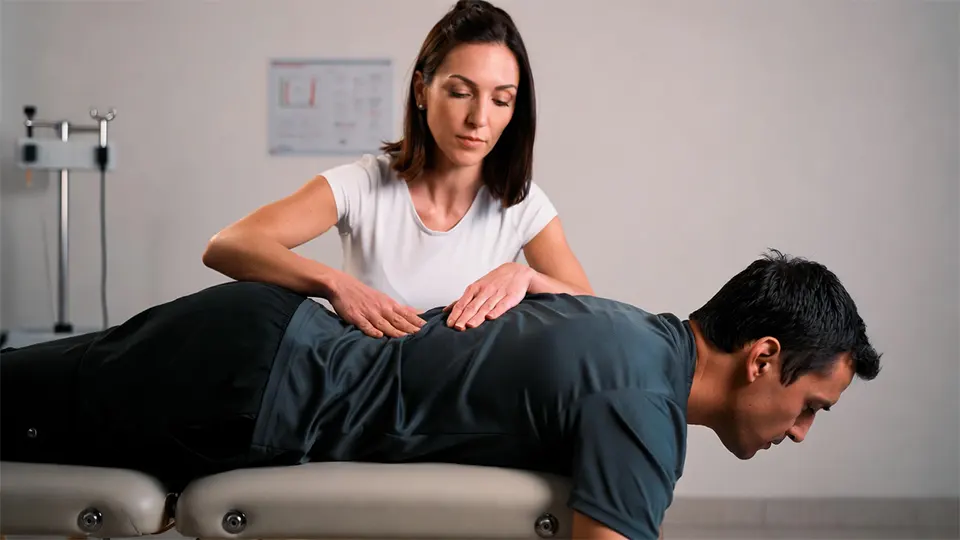
Not all back pain is the same. Some backs hurt when they bend forward (flexion intolerant), while others hurt when they bend backward (extension intolerant).
A method called the McKenzie Method (MDT) is the gold standard here. A qualified therapist will put you through repeated movements to find your “Directional Preference.”
Example: If you have a posterior disc bulge, bending backward repeatedly might centralize the pain (move it from your leg to your back) and eventually abolish it. If your therapist hasn’t identified your directional preference, they are guessing.
Pillar 2: Neuromuscular Re-education (Wake Up the Core)

“Strengthen your core” is the most overused advice in back pain history. But what does it mean? It doesn’t mean doing 100 crunches. In fact, crunches can destroy a sensitive back.
True core stability is about timing. It is about the deep muscles (Transversus Abdominis and Multifidus) firing milliseconds before you move your arm or leg.
We use Dynamic Neuromuscular Stabilization (DNS) techniques to retrain your brain to use your diaphragm and core together, creating a pressurized “cylinder” of support around your spine.
Pillar 3: Progressive Overload (Building Resilience)

Once the pain is dampened and the core is firing, we must build armor. The misconception is that back pain patients should never lift heavy things. This is dangerously incorrect.
Your spine is a robust structure designed to bear weight. To prevent future flares, you must progressively load the spine. This means deadlifts, farmer’s carries, and squats—performed with perfect form.
If your rehab ends with rubber band exercises, you are not ready for the real world. You need to be stronger than your life requires.
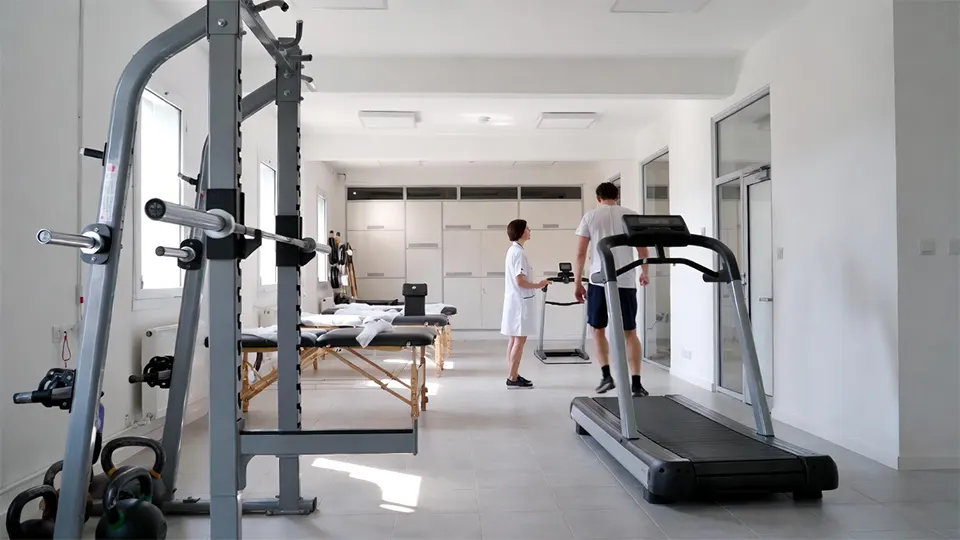
While you are searching for the right professional, here are three evidence-based movements that are generally safe for mechanical back pain. Note: Stop immediately if these cause pain to travel down your leg.
1. The McGill Curl-Up
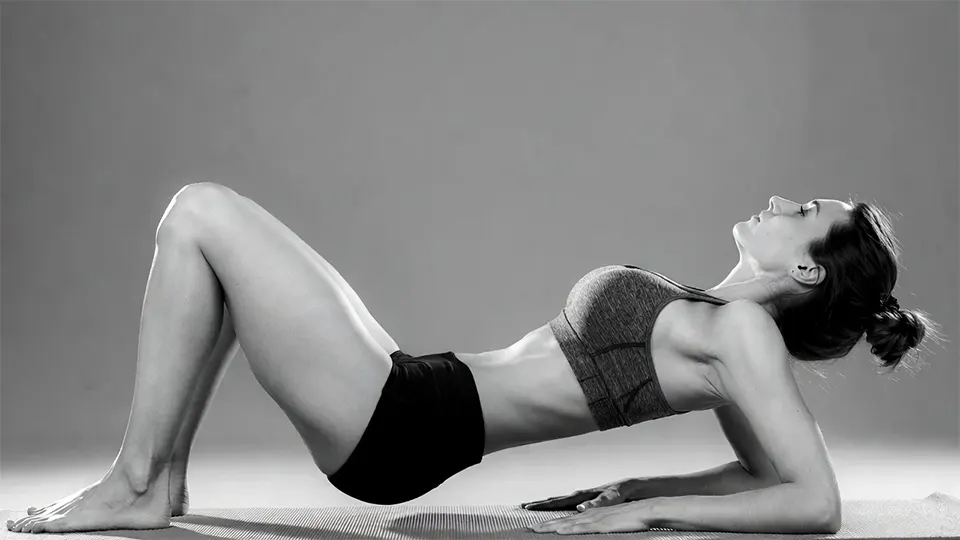
Unlike a sit-up, this spares the spine.
Lie on your back with one leg straight and one knee bent.
Place your hands under your lower back to maintain the natural arch.
Lift your head and shoulders just an inch off the ground without flattening your back.
Hold for 10 seconds. Repeat 6 times.
2. The Bird-Dog
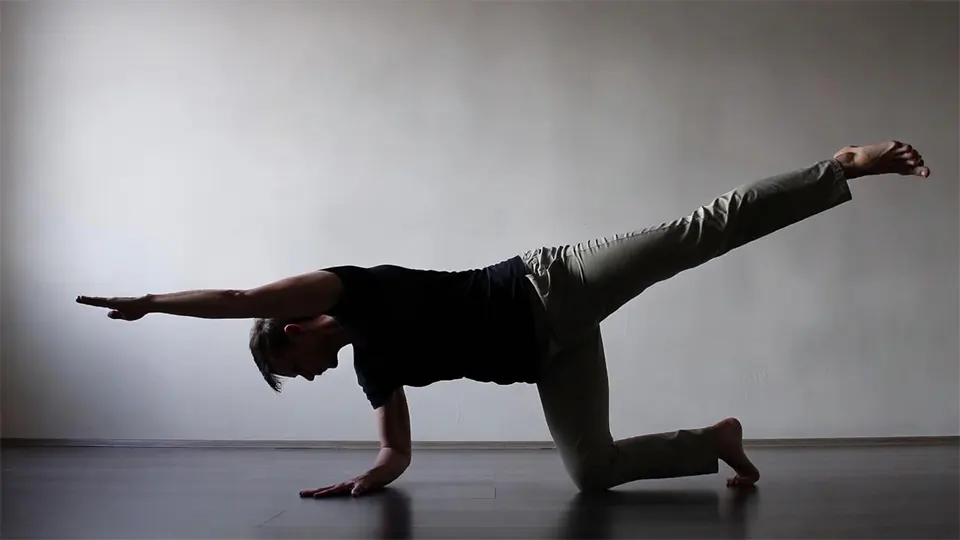
This teaches the spine to stay stable while the limbs move.
Get on all fours (hands and knees).
Extend your opposite arm and opposite leg until they are straight.
Do NOT let your lower back sag or twist. Imagine balancing a glass of water on your lower back.
Hold for 10 seconds. Switch sides.
3. The Cat-Camel (Motion, not Stretch)
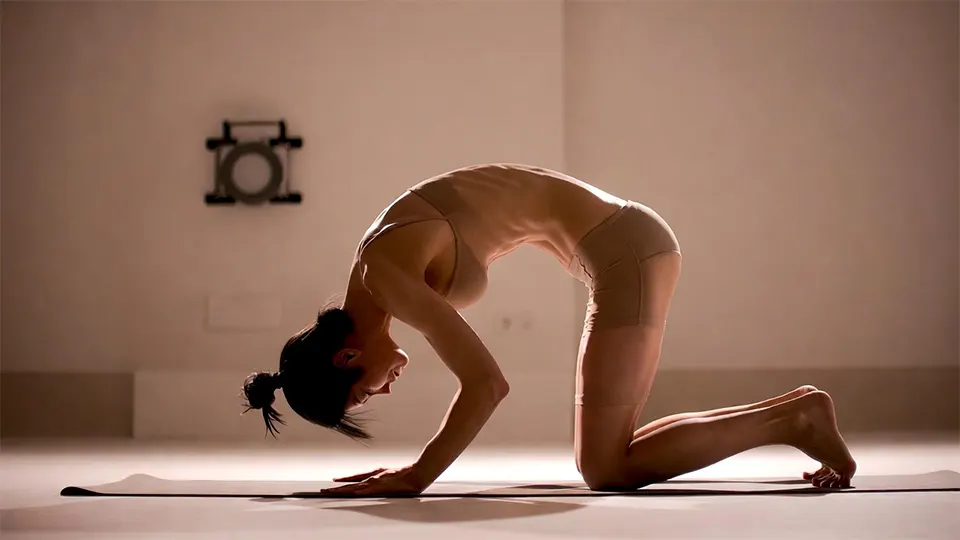
On all fours, gently round your back up towards the ceiling (Cat) and then let it sag down towards the floor (Camel).
Do this gently. The goal is to lubricate the joints, not to stretch the end range.