

What is Kinesio Taping?
Kinesio taping is a form of physical therapy that uses special elastic tape to support muscles and joints, reduce pain, and improve range of motion. In Rawalpindi, Dr. Iqra Kiran and Physio Rehab Solution offer top-notch kinesio taping services to help patients recover from injuries and manage chronic pain conditions.
How does Kinesio Taping works?
Kinesio taping works by applying a special elastic tape to the affected area, which provides support to the muscles and joints without restricting movement. This can help reduce pain and inflammation, improve circulation, and promote healing. It can be used to treat a wide range of conditions, such as back pain, shoulder pain, and knee injuries, among others

What Kinesio Taping Is Used For
- Sports injuries: support for ankle sprains, knee pain and muscle strains during return to training.
- Knee pain: including runner’s knee and pain around the kneecap.
- Shoulder and neck pain: to support posture and reduce strain on overworked muscles.
- Lower back pain: to give feedback and support during daily activities.
- Swelling and bruising: special taping patterns can help reduce swelling after injury or surgery.
- Pregnancy: gentle support for back and pelvic discomfort — see women’s health rehabilitation.
What to Expect
- Assessment first: taping is one part of your plan, chosen after Dr. Iqra assesses the problem.
- Quick application: the tape is applied in a specific pattern on clean, dry skin and takes only a few minutes.
- Wear it for a few days: kinesio tape can usually stay on for 2–4 days and you can shower normally — pat it dry afterwards.
- Combined with exercise: tape supports you while exercises and hands-on treatment fix the underlying cause.
When Kinesio Taping Is Not Suitable
Tape should not be applied over broken or irritated skin, open wounds, or if you have a known allergy to adhesives. Remove it if your skin becomes itchy, red or painful. Tell your physiotherapist if you have diabetes with reduced sensation, circulation problems or fragile skin, so the treatment can be adjusted.
Dr Iqra Kiran and Physio Rehab Solution in Rawalpindi
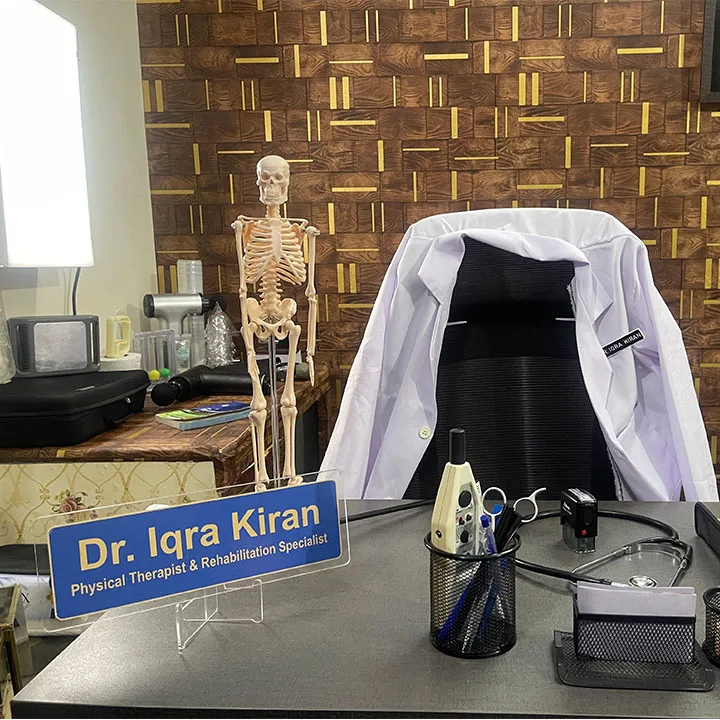
Dr. Iqra Kiran, a highly experienced and skilled physiotherapist, offers a wide range of kinesio taping services to help patients achieve optimal health and wellness. She uses a personalized approach to treatment, tailoring each session to the patient’s specific needs and goals.
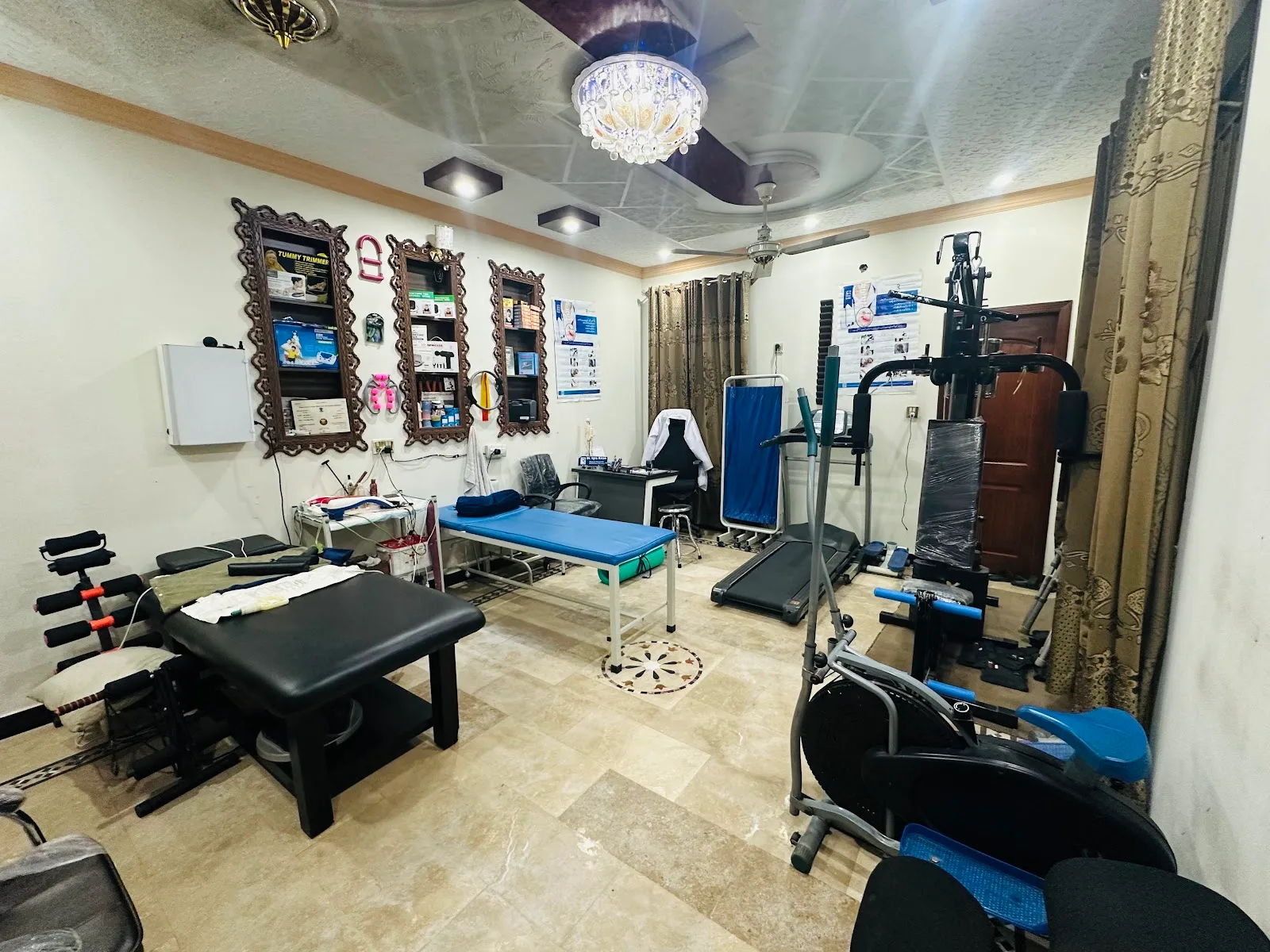
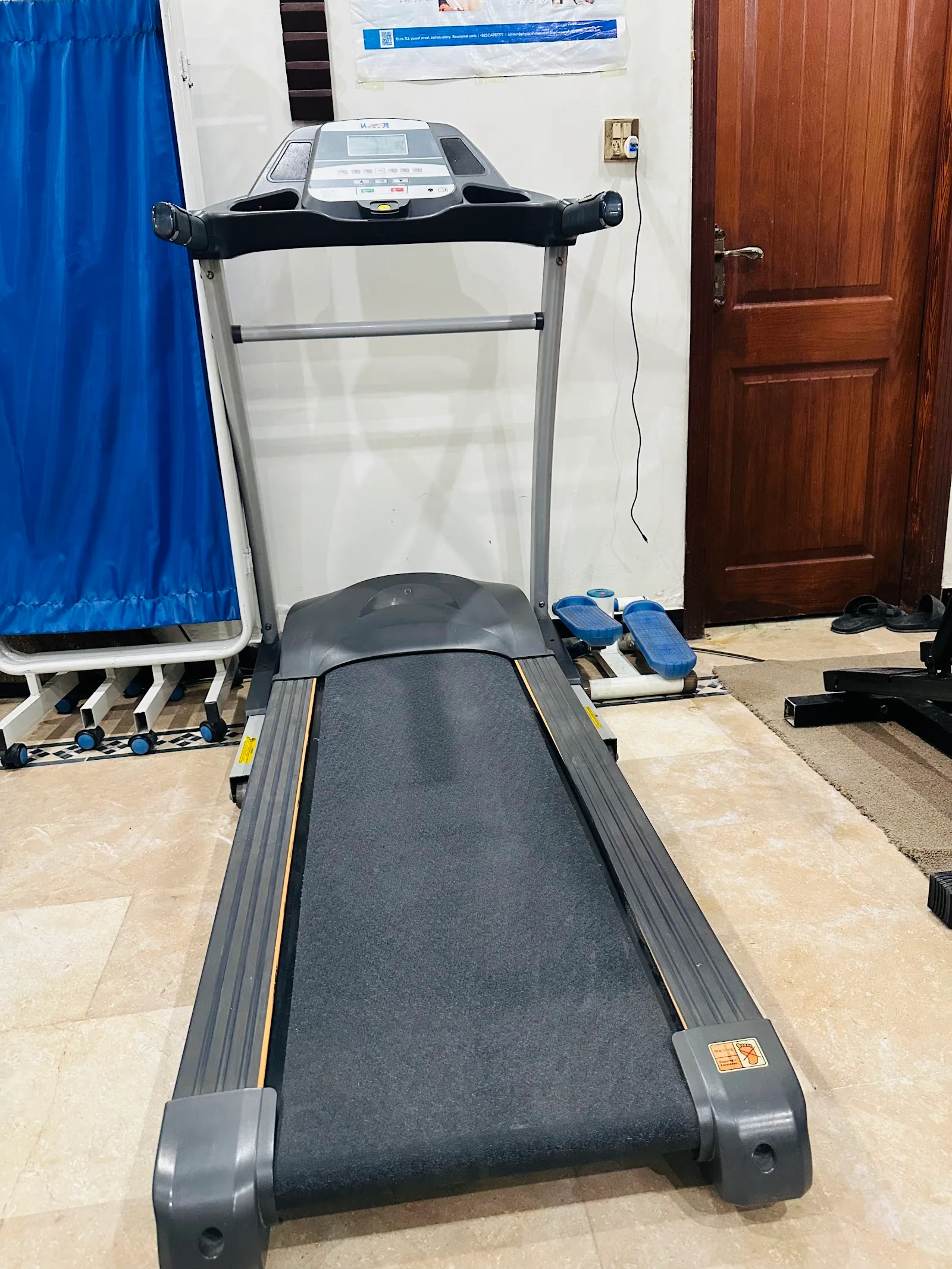
Physio Rehab Solution, a leading physiotherapy clinic in Rawalpindi, offers comprehensive kinesio taping services to help patients recover from injuries and manage chronic pain conditions. The clinic’s team of experienced and licensed physiotherapists use state-of-the-art equipment and techniques to deliver safe and effective treatments that help patients achieve optimal health and wellness.

How Long Does Kinesio Tape Stay On?
Kinesio tape is designed to be worn for around three to five days. It is water-resistant, so you can shower with it on – pat it dry with a towel afterwards rather than rubbing or using a hair dryer. Remove it sooner if the skin becomes itchy, red or irritated.
How to Remove Tape Without Irritating Your Skin
- Apply a little oil or soak the tape in the shower first to loosen the adhesive
- Peel slowly in the direction of hair growth
- Hold the skin down with your other hand as you peel
- Do not rip the tape off quickly
- Give the skin a day's rest before reapplying if it looks red
Kinesio Taping vs Rigid Sports Tape
They do different jobs. Rigid athletic tape is stiff and is used to restrict movement, for example to support an unstable ankle during a match. Kinesio tape is stretchy and allows full movement; it is used to support muscles, ease pain and reduce swelling while you stay active. Your physiotherapist will choose the right one for your problem.
What the Evidence Says
Research on kinesio taping is mixed. Some people find it noticeably reduces pain and helps them move with more confidence, while studies show its effects are usually modest. That is why at Physio Rehab Solution taping is used as a helpful extra alongside exercise and hands-on treatment, not as the main treatment on its own.
Can I Apply It Myself?
Simple applications can be learned, and many patients are shown how to reapply tape at home between sessions. Technique matters: the direction and amount of stretch change how the tape works, and stretching it too much is a common cause of skin irritation. Ask for a demonstration before trying it yourself.
Conditions Where Taping Often Helps
- Knee pain: such as pain around the kneecap during sport or stairs.
- Shoulder and neck pain: to support posture and reduce muscle tension.
- Lower back pain: to remind you to move well during daily tasks.
- Swelling and bruising: after injury, using a special fan-shaped application.
- Pregnancy-related back pain: as a gentle, drug-free support – see our women's health page.
Taping in Sport
Many athletes use kinesio tape to keep training while an injury settles – for example around the knee for runners, on the shoulder for cricket bowlers, or on the calf after a strain. Tape can make movement feel more comfortable and more controlled, but it does not replace strengthening. If you need tape every time you play, the underlying problem still needs treatment.
Taping for Desk Workers
A simple tape application along the upper back can act as a reminder to sit tall during long hours at a computer. When you slump, the tape gently pulls on the skin, prompting you to correct your posture. Combined with regular breaks and the exercises from our posture quiz, it can help break poor sitting habits.
Tape works best when it supports good movement you are already practising. Think of it as a short-term aid that helps you stay active while the muscles get stronger.
Fees and Booking
Kinesio taping is included in a normal clinic session: Rs. 3,500, or Rs. 3,000 per session with a 7-day or 10-day package. Book an appointment with Dr. Iqra Kiran in Rawalpindi.