

What is Neuro Rehabilitation
Neuro rehabilitation is a specialized branch of medical care that focuses on restoring hope and functionality to individuals who have experienced neurological impairments or injuries. This comprehensive approach to treatment encompasses a range of therapies, techniques, and interventions tailored to meet the unique needs of each patient. In this article, we will delve into the world of neuro rehabilitation, exploring its benefits, the conditions it addresses, and the various treatment modalities available.
Understanding Neurological Impairments
Neurological impairments can occur due to a variety of factors, such as trauma, stroke, spinal cord injuries, or neurodegenerative diseases. These impairments can greatly impact an individual’s quality of life, affecting their mobility, communication, cognition, and overall independence. Neurological rehabilitation aims to address these challenges and maximize a person’s potential for recovery and improvement.

The Role of Neuro Rehabilitation
Neurological rehabilitation plays a crucial role in helping patients regain lost abilities and adapt to new ones. By employing a multidisciplinary approach, this form of therapy targets the physical, cognitive, and emotional aspects of rehabilitation. It aims not only to enhance functional outcomes but also to enhance the individual’s overall well-being and quality of life.

Common Neurological Conditions Addressed
Neurological rehabilitation is highly effective in managing various neurological conditions. Some of the most commonly treated conditions include:
Stroke
Stroke is a leading cause of long-term disability worldwide. Neuro rehabilitation plays a vital role in stroke recovery by assisting individuals in regaining their motor skills, improving balance, and enhancing their ability to perform daily activities.
Traumatic Brain Injury (TBI)
Individuals who have suffered a traumatic brain injury often experience physical, cognitive, and emotional impairments. Neuro rehabilitation offers a comprehensive treatment approach to help these individuals regain lost functions, improve cognitive abilities, and manage emotional challenges.
Spinal Cord Injury (SCI)
Spinal cord injuries can result in partial or complete paralysis, affecting an individual’s ability to move and perform routine tasks. Neuro rehabilitation programs assist in optimizing physical functioning, increasing mobility, and enhancing independence for individuals with spinal cord injuries.
Multiple Sclerosis (MS)
Multiple sclerosis is a chronic autoimmune disease that affects the central nervous system. Neuro rehabilitation interventions for MS focus on managing symptoms, improving balance and coordination, and maintaining or enhancing functional abilities.
Parkinson's Disease (PD)
Parkinson’s disease is a progressive neurological condition that affects movement and coordination. Neuro rehabilitation plays a vital role in managing PD symptoms, improving mobility, and maintaining independence and quality of life for individuals living with this condition.
Neuro Rehabilitation Techniques and Interventions
Neuro rehabilitation employs a range of techniques and interventions to help individuals achieve their rehabilitation goals. Some of the most commonly used approaches include:
Physical Therapy
Physical therapy focuses on improving physical function, mobility, and strength through targeted exercises, stretching, and therapeutic activities. It aims to enhance motor skills, balance, and coordination.
Occupational Therapy
Occupational therapy aims to enable individuals to engage in meaningful daily activities and regain independence. It focuses on improving fine motor skills, cognitive abilities, and functional tasks like dressing, eating, and grooming.
Speech and Language Therapy
Speech and language therapy assists individuals in regaining or improving their communication abilities. It addresses speech difficulties, language comprehension, and swallowing difficulties, if present.
Assistive Devices and Technology
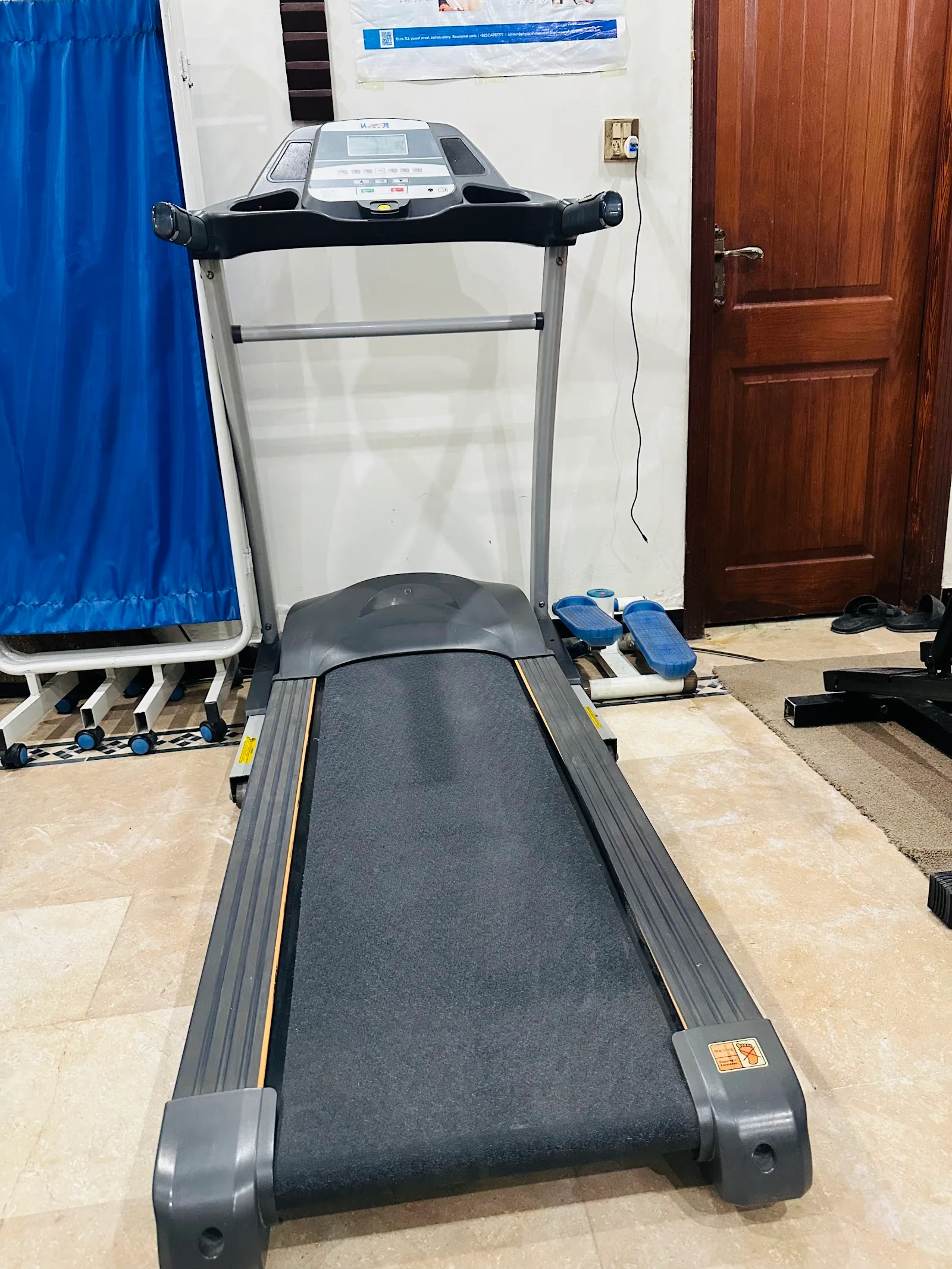
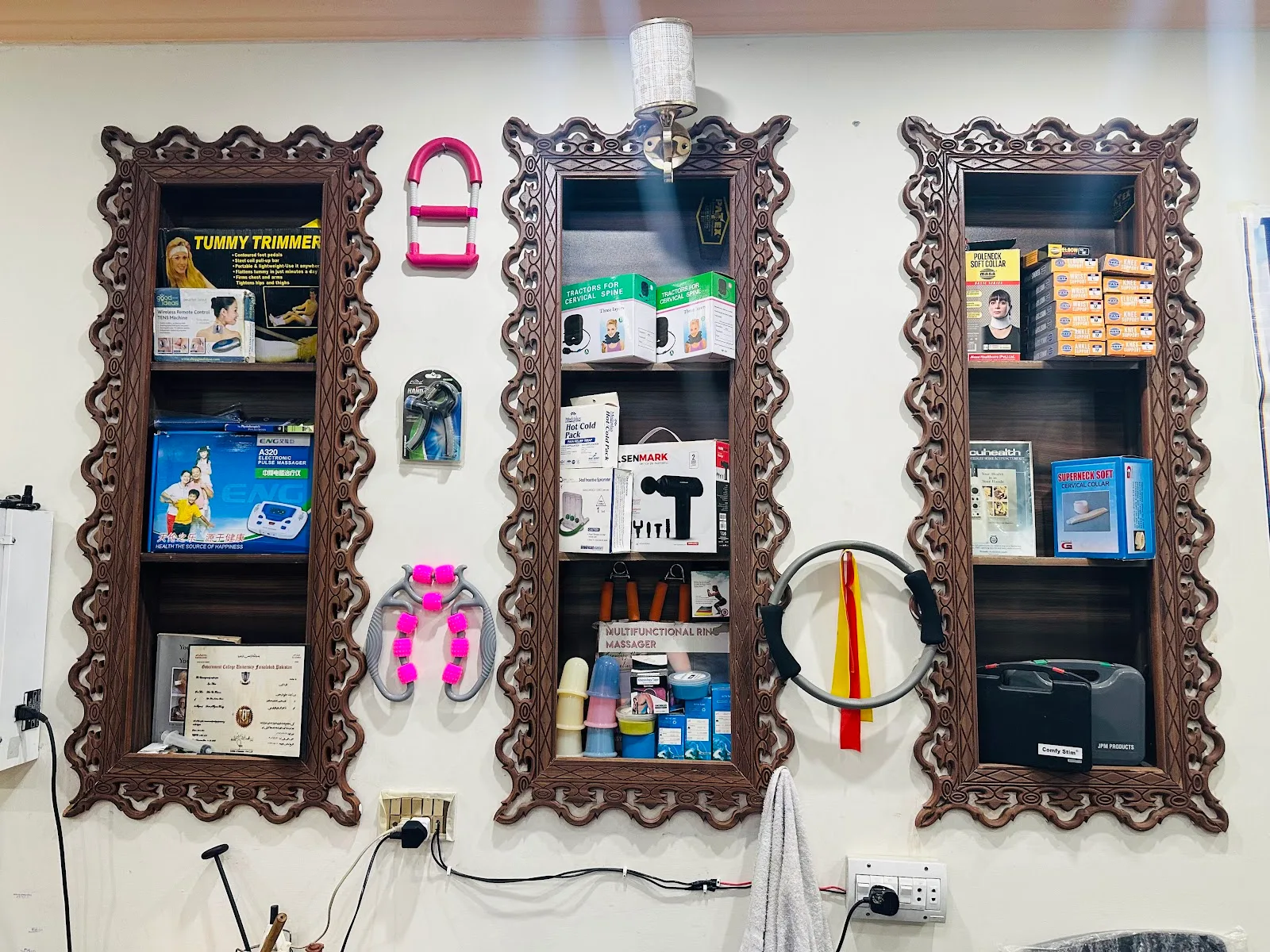
The use of assistive devices and technology can greatly enhance independence and functionality. Neuro rehabilitation utilizes various aids such as wheelchairs, walking aids, and adaptive equipment tailored to meet individual needs.
Cognitive Rehabilitation
Cognitive rehabilitation targets cognitive impairments such as memory loss, attention deficits, and problem-solving difficulties. It employs strategies and exercises to help individuals regain or compensate for these cognitive challenges.
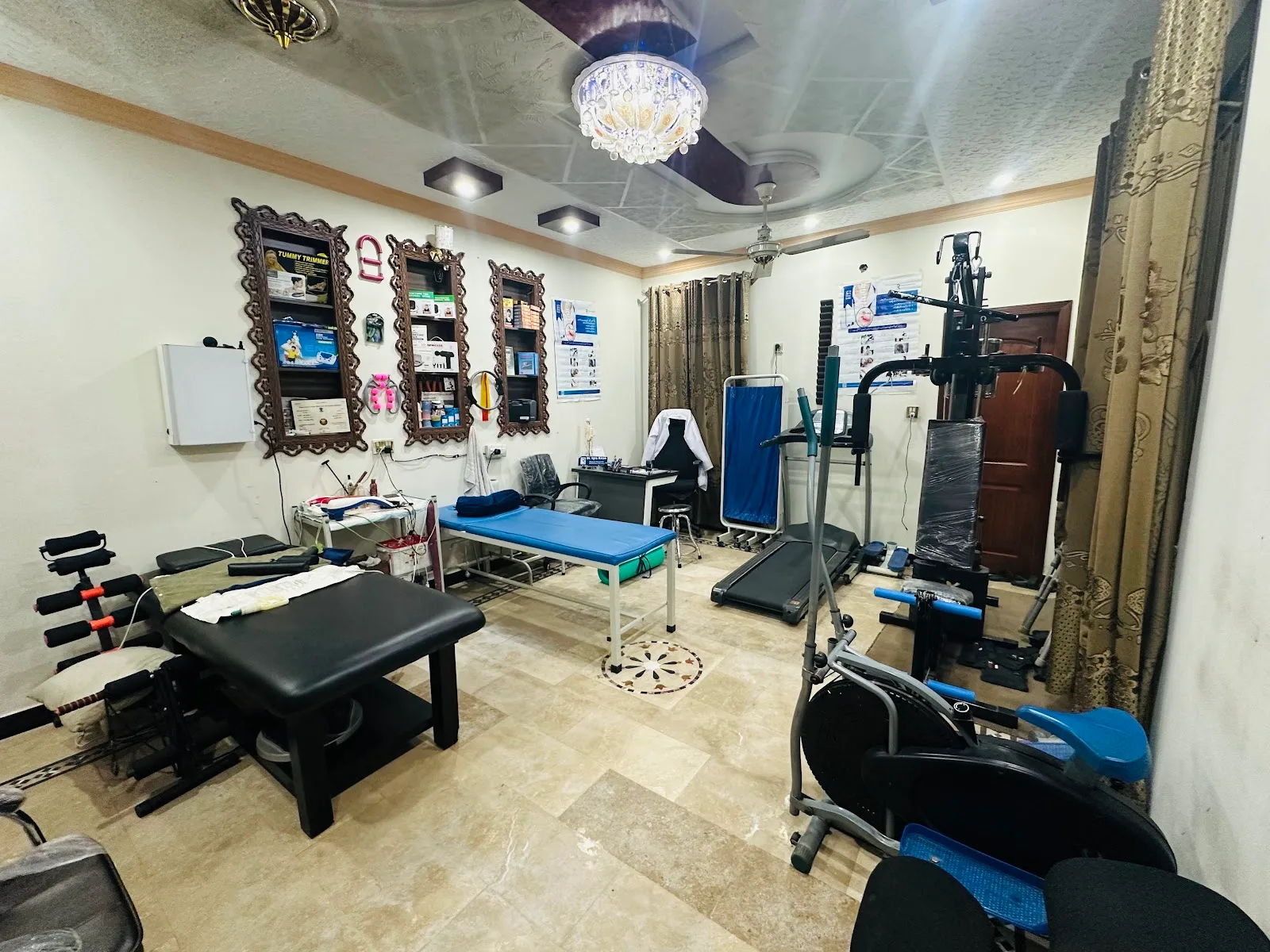
Neuro Rehabilitation at Physio Rehab Solution, Rawalpindi
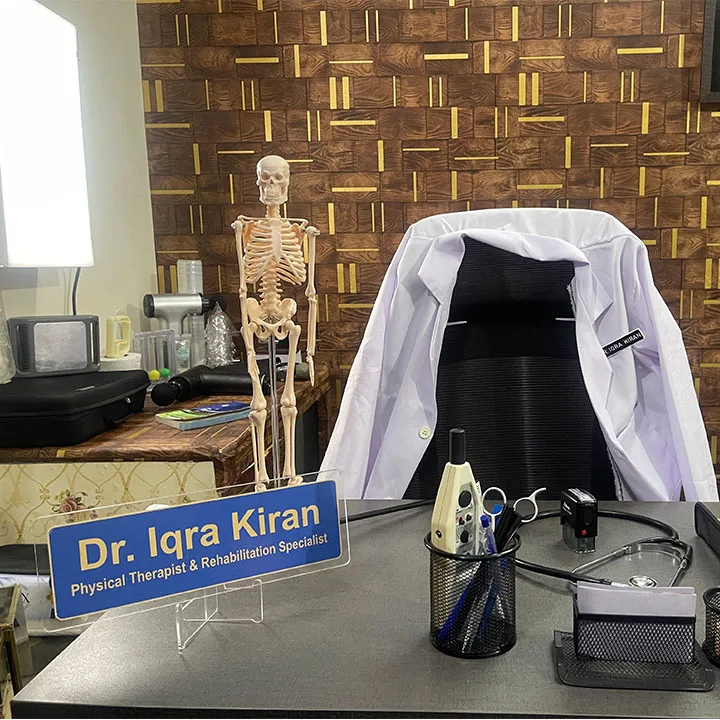
Every neuro rehabilitation program at our Afshan Colony clinic starts with a detailed assessment by Dr. Iqra Kiran — strength, muscle tone, balance, walking pattern, hand function and how well the patient manages daily tasks at home. We then set clear, practical goals together with the patient and family, such as standing up from a chair independently, walking to the mosque, or using the affected hand again.
- Task-focused training: we practise the real activities the patient needs — transfers, walking, stairs, reaching and gripping — rather than exercises in isolation.
- Balance and fall prevention: graded balance work reduces the risk of falls, one of the biggest worries for families after a stroke or with Parkinson’s disease.
- Strength and tone management: stretching, positioning and strengthening help manage stiffness and weakness on the affected side.
- Family training: we show family members how to help safely at home, so progress continues between sessions.
- A home exercise program: short, clear routines that fit into the day and are updated as the patient improves.
Why Families Choose Dr. Iqra Kiran
- Doctor of Physical Therapy (DPT): with 8+ years of clinical experience in neurological and musculoskeletal rehabilitation.
- Female physiotherapist: many women patients and their families feel more comfortable with a female therapist.
- Patient, step-by-step approach: neuro recovery takes time; every session is planned around small, measurable gains.
- Trusted locally: rated 4.9 from 101 Google reviews.
When Should Neuro Rehabilitation Start?
As a general rule, rehabilitation should begin as soon as the patient is medically stable and their doctor allows it — the early weeks and months after a stroke or injury are an important window for recovery. That said, it is never too late to start: patients living with a neurological condition for years can still improve their strength, balance, walking and independence with the right program. If home visits are easier, ask us about our home rehabilitation service.
The Road to Recovery
Neuro rehabilitation is a dynamic and ongoing process that requires dedication, collaboration, and perseverance from both the individual and the healthcare team. Through personalized treatment plans and evidence-based interventions, neuro rehabilitation empowers individuals to reclaim their lives, maximize their potential, and rediscover hope.
Conclusion
Neuro rehabilitation plays a vital role in restoring hope and functionality to individuals with neurological impairments. By addressing physical, cognitive, and emotional challenges, this comprehensive approach aims to optimize recovery and improve overall well-being. Whether it’s stroke, traumatic brain injury, spinal cord injury, multiple sclerosis, or Parkinson’s disease, neuro rehabilitation offers tailored interventions to meet individual needs. Through the power of multidisciplinary care, cutting-edge techniques, and a compassionate approach, neuro rehabilitation paves the way for a brighter future for those in need.