

What is Ultrasound Therapy?
Ultrasound therapy is a non-invasive treatment that uses high-frequency sound waves to promote healing and relieve pain. The sound waves are generated by a small handheld device that is placed against the skin. As the waves penetrate the tissues, they create a deep heat that increases blood flow to the affected area. This increased circulation can help reduce inflammation, promote tissue regeneration, and speed up the healing process.
How Does Ultrasound Therapy works?
During an ultrasound therapy session, the therapist will apply a special gel to the skin to help conduct the sound waves. They will then move the handheld device in a circular motion over the affected area. The treatment usually lasts between 5 and 10 minutes, depending on the extent of the injury.
The sound waves penetrate the skin and tissues, causing a vibration that produces heat. This heat helps to increase blood flow to the area, which promotes healing and reduces inflammation. The treatment is completely painless and non-invasive, making it a popular choice among patients.

Conditions Ultrasound Therapy Is Used For
- Tendon problems: such as tennis elbow, Achilles tendinitis and shoulder tendon pain.
- Muscle and ligament injuries: strains and sprains in the healing phase.
- Joint pain and stiffness: including shoulder and knee pain.
- Heel pain: such as plantar fasciitis.
- Scar tissue: to help soften tissue after injury or surgery, alongside stretching.
What a Session Feels Like
A small amount of gel is applied to the skin and the ultrasound head is moved slowly over the area for a few minutes. Most people feel nothing at all or a mild warmth. It is quick, painless and is always used as one part of a wider plan that includes manual therapy and therapeutic exercises — on its own, ultrasound is not a complete treatment.
Safety and When It Is Not Used
Therapeutic ultrasound is a safe, commonly used treatment when applied by a trained physiotherapist. It is not used over the abdomen or lower back during pregnancy, over areas with cancer, over a pacemaker or other implanted electronic devices, over open wounds, or over areas with reduced sensation without extra care. Please tell your physiotherapist about any medical conditions before treatment.
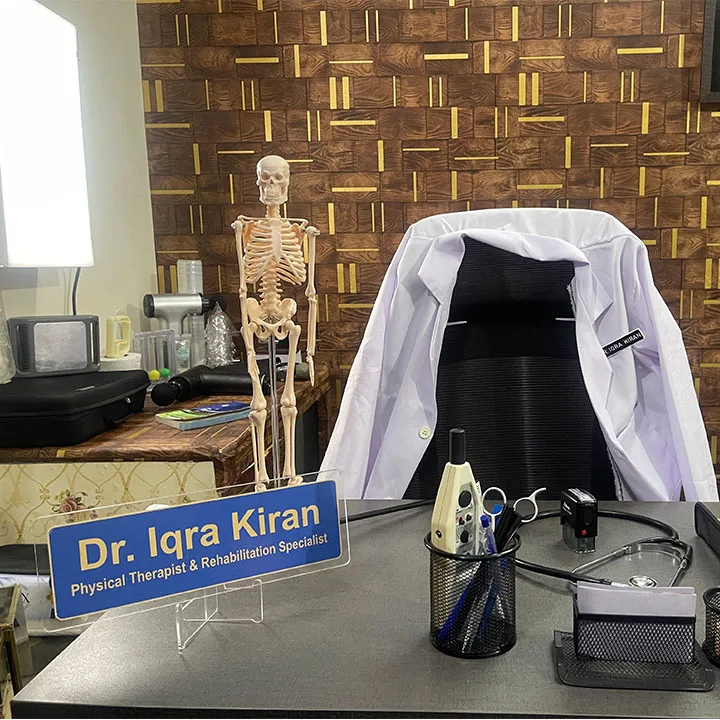
Dr Iqra Kiran and Physio Rehab Solution in Rawalpindi
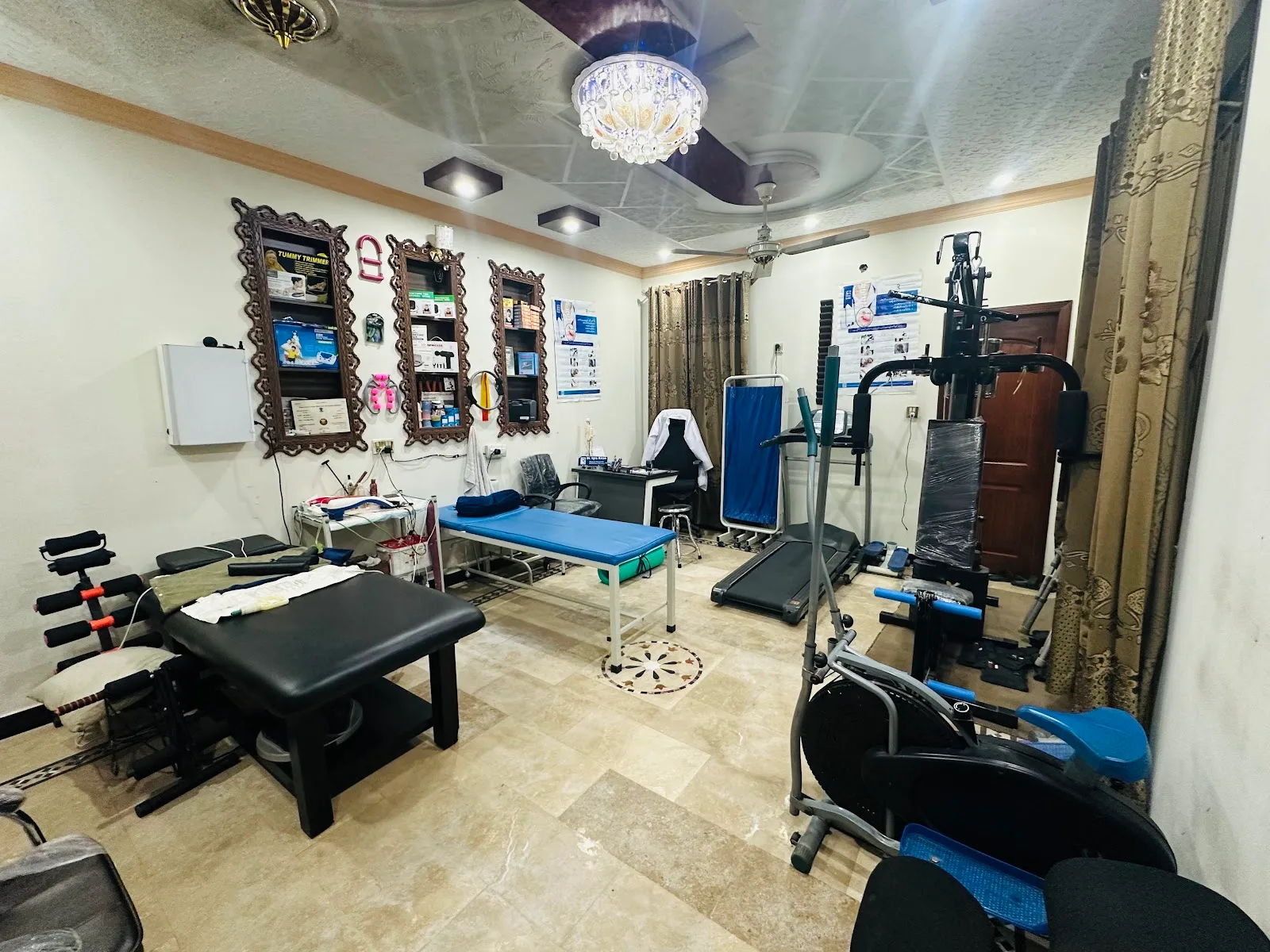
If you are looking for a trusted provider of ultrasound therapy in Rawalpindi, look no further than Physio Rehab Solution. Led by Dr Iqra Kiran, a highly trained and experienced physiotherapist, Physio Rehab Solution is committed to providing patients with the highest quality care.
Dr Iqra Kiran has extensive experience in the field of physiotherapy and has helped many patients overcome their pain and regain their mobility. She is dedicated to staying up-to-date on the latest treatment options and techniques, ensuring that her patients receive the best possible care.
In addition to ultrasound therapy, Physio Rehab Solution offers a wide range of other rehabilitation services, including manual therapy, exercise therapy, and electrotherapy. Their team of skilled therapists will work with you to develop a personalized treatment plan that meets your unique needs and goals.

How Many Ultrasound Sessions Are Usually Needed?
Therapeutic ultrasound is normally given for a few minutes per area, as part of a longer session that includes exercise and hands-on treatment. Most courses run over one to three weeks. If an area is not responding after several sessions, it is usually stopped and other treatments are prioritised.
Ultrasound Therapy vs a Diagnostic Ultrasound Scan
People are sometimes confused by the name. A diagnostic ultrasound scan, done in a hospital or radiology centre, uses sound waves to create an image of tissues so a doctor can see a tear or swelling. Therapeutic ultrasound in physiotherapy uses a different setting to deliver sound energy into the tissue as a treatment. It does not produce an image and it does not diagnose anything.
What the Research Says
Therapeutic ultrasound has been used in physiotherapy for decades, and studies on it are mixed. It is generally considered most useful as a supporting treatment for certain soft-tissue problems, such as tendon irritation and some chronic muscle pain, rather than as a stand-alone cure. That is why at Physio Rehab Solution it is always combined with exercise and manual therapy, which have stronger evidence behind them.
Being honest about this matters: a plan built only on machines rarely gives lasting results. A plan built on movement, with machines used where they help, usually does.
Conditions Where It Is Often Combined With Other Treatments
- Tennis and golfer's elbow: alongside loading exercises for the tendon.
- Shoulder tendon problems: with rotator cuff strengthening and posture work.
- Plantar fasciitis: together with calf and foot stretches and footwear advice.
- Muscle strains: after the first acute days, with gradual return to activity.
- Scar tissue and stiffness: after injury or surgery, with mobilisation and stretching.
Fresh Injuries vs Long-Standing Problems
How ultrasound is used depends on the stage of the injury. In the first days after a sprain or strain, the priority is protecting the area and controlling swelling, so ultrasound is used cautiously if at all. For older, stubborn problems – a tendon that has been sore for months, or scar tissue after surgery – it may be used to support tissue healing while you build strength with exercise.
Questions to Ask Your Physiotherapist
- Why is ultrasound being used for my problem, and what is it expected to do?
- How many sessions should I expect before we review whether it is helping?
- What exercises should I do at home to support the treatment?
- Is there anything about my health that makes ultrasound unsuitable?
Clear answers to these questions help you understand your plan and stay involved in your own recovery.
Fees and Booking
Ultrasound therapy is part of a standard clinic session: Rs. 3,500, or Rs. 3,000 per session with a 7-day or 10-day package. The first visit is 45 minutes and includes a full assessment to decide whether ultrasound is useful for your problem. Book an appointment or read about our other electrotherapy options.