

What Is Post-Operative Rehabilitation?
Post-op rehabilitation is an essential part of the recovery process after any surgery. It is a specialized type of therapy that is designed to help patients regain their strength, mobility, and independence following surgery. If you are looking for expert post-op rehabilitation services in Rawalpindi, Dr. Iqra Kiran and the team at Physio Rehab Solution can help.
Post-op rehabilitation is necessary because after surgery, patients often experience pain, swelling, and stiffness. They may also have limited mobility and may struggle to perform simple tasks such as walking or lifting objects. Post-op rehabilitation helps patients to overcome these challenges by providing them with personalized treatment plans that are tailored to their specific needs.

Surgeries We Help You Recover From
- Knee replacement: regaining bend and straightening, walking and stairs.
- Hip replacement: safe movement, strength and a normal walking pattern.
- ACL reconstruction and knee arthroscopy: from early swelling control to return to sport.
- Fracture fixation: plates, screws or rods in the arm, leg, wrist or ankle.
- Shoulder surgery: rotator cuff repair and shoulder stabilisation.
- Spinal surgery: disc and decompression surgery, with safe core and posture training.
- C-section and abdominal surgery: see our C-section recovery guide.
What Recovery Looks Like, Stage by Stage
- Early stage: pain and swelling control, gentle movement, breathing exercises, and getting safely in and out of bed and walking with an aid if needed.
- Middle stage: restoring full range of motion and starting strengthening as the tissues heal.
- Late stage: building strength, balance and endurance for daily life, work or sport.
- Back to normal: practising the real activities you need, and a home program to keep progress going.
We always follow your surgeon’s protocol, precautions and timelines, and keep you informed about what is normal at each stage.
Post-Op Rehabilitation with Dr. Iqra Kiran
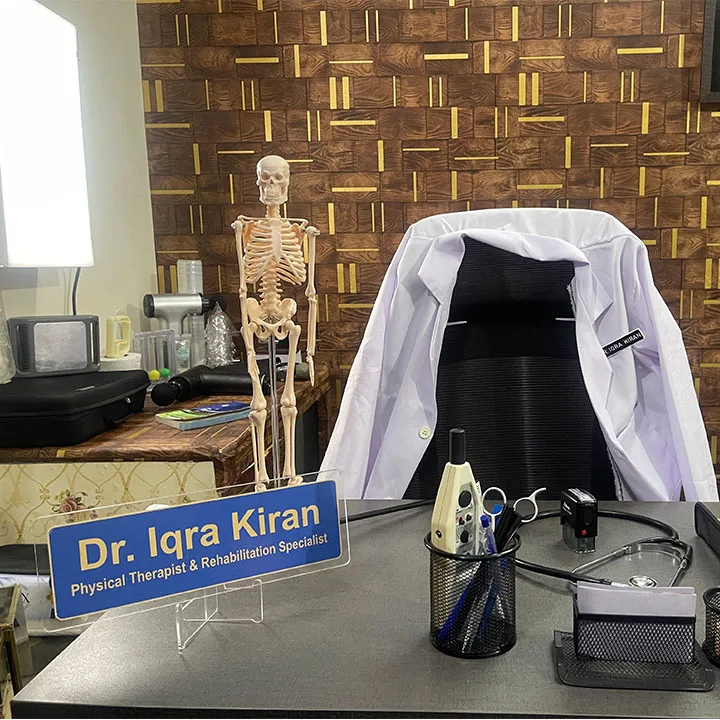
Dr. Iqra Kiran is a highly experienced post-op rehabilitation specialist who is dedicated to helping patients recover from surgery and achieve their rehabilitation goals. She works closely with patients to develop treatment plans that address their specific needs and help them to regain their strength, mobility, and independence.
Post-op rehabilitation may involve a range of techniques, including physical therapy, manual therapy, and modalities such as ultrasound and electrical stimulation. The goal of post-op rehabilitation is to help patients to regain their physical functioning as quickly and safely as possible.

Why Physiotherapy After Surgery Matters
Skipping rehabilitation after surgery often leads to a stiff joint, weak muscles, a limp or long-term pain — even when the operation itself went well. A guided program helps you get the full benefit of your surgery, reduces the risk of complications such as stiffness and falls, and gives you confidence that you are moving safely.
Can Rehab Be Done at Home?
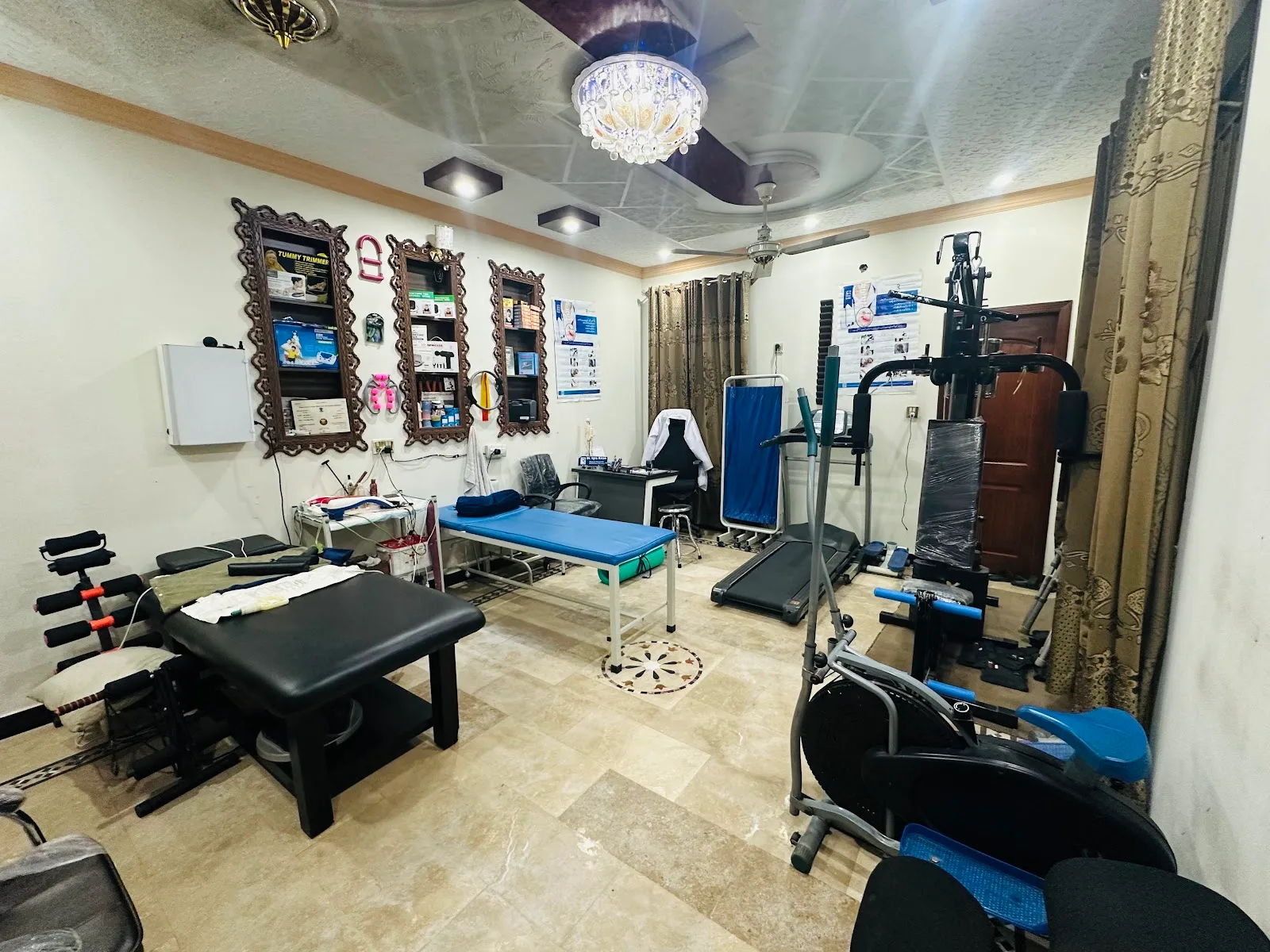
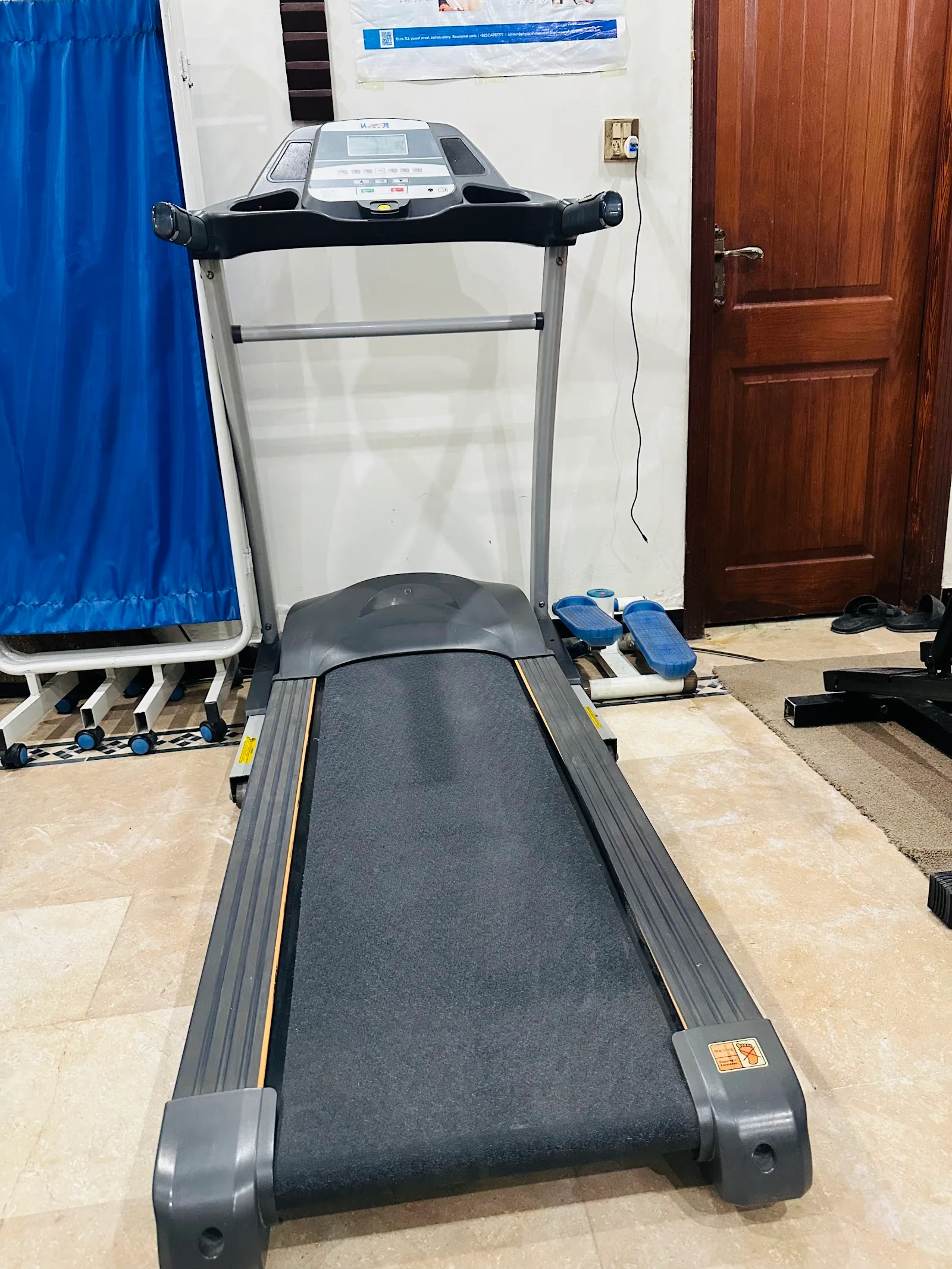
Yes. In the first weeks after surgery, travelling can be difficult, so we offer home rehabilitation sessions. As you get stronger, many patients move to clinic sessions at our Afshan Colony clinic for more equipment-based training.
How Long Does Post-Op Rehabilitation Take?
Recovery time depends on the operation, your age, your fitness before surgery and how closely you follow your home programme. As a rough guide, most people need several weeks of structured rehabilitation after joint surgery, and longer after ligament reconstruction or spinal surgery. You can see typical phase-by-phase timelines for common procedures in our Recovery Timeline Estimator.
- Total knee or hip replacement: walking with a stick within the first weeks, with most daily activities back over around three months and strength still improving for up to a year.
- ACL reconstruction: full return to sport is usually six to nine months away, with strength and hop tests guiding when it is safe.
- Fracture fixation: rehabilitation starts once the surgeon allows weight-bearing and focuses on restoring movement before strength.
- Shoulder surgery: a protected phase in a sling is followed by gradual range-of-motion work, then strengthening over several months.
Your surgeon's protocol always comes first. Dr. Iqra Kiran follows the restrictions in your discharge notes and adjusts the plan as you hit each milestone.
Your First Post-Op Session: What to Bring
- Your discharge summary and the surgeon's rehabilitation protocol or restrictions
- Any X-rays or scans taken before or after the operation
- A list of your current medicines, especially blood thinners and pain relief
- Loose clothing that lets the operated area be seen and moved
- Your walking aid, brace or sling if you have been given one
The first session is 45 minutes. It covers a check of the wound area, swelling, range of movement and strength, then your first exercises and a written home programme.
Exercises You Can Start at Home
In the first days after surgery, small and frequent movements matter more than long workouts. Typical early exercises include ankle pumps to keep blood flowing, gentle muscle tightening such as quadriceps sets after knee surgery, deep breathing, and short, regular walks around the house. Do them little and often rather than all at once.
Stop and contact your surgeon or physiotherapist if you notice increasing redness, heat or discharge from the wound, a fever, sudden calf pain or swelling, or breathlessness. These need checking before you continue.
Common Mistakes That Slow Recovery
- Waiting too long to start. Joints stiffen quickly after surgery. Early, guided movement prevents scar tissue from limiting you later.
- Doing too much on a good day. Overdoing it often leads to two or three days of extra pain and swelling.
- Skipping the home exercises. Clinic sessions set the direction, but most progress happens between visits.
- Stopping when the pain goes. Pain usually settles before full strength returns, which is when re-injury risk is highest.
Fees and Session Options
A clinic session at Physio Rehab Solution is Rs. 3,500, or Rs. 3,000 per session with a 7-day or 10-day package. For patients who cannot travel in the early weeks after surgery, home visits are available, and follow-ups can be done through online consultation. Book your first post-op session as soon as your surgeon gives the go-ahead.