

What is Spinal Traction?
Spinal traction is a non-surgical treatment that involves the gentle stretching of the spine to relieve pressure on the spinal discs, nerves, and joints. It can be performed manually or with the help of a traction device. This therapy aims to decompress the spine and reduce pain caused by herniated discs, sciatica, and other spinal conditions.
How Does Spinal Traction Work?
During spinal traction, a patient lies on a table while a therapist applies a gentle pulling force to the spine. This force is applied in a controlled manner to stretch the spine, creating space between the vertebrae. The increased space allows the spinal discs to rehydrate and take pressure off the nerves and joints. Over time, this can help to improve spinal alignment and reduce pain.

What Are the Benefits of Spinal Traction?
Spinal traction can provide a range of benefits for patients with spinal conditions, including:
- Reduced pain and inflammation
- Improved range of motion
- Improved circulation
- Improved flexibility and mobility
- Improved posture
- Reduced risk of future spinal injuries
In addition, spinal traction is a non-invasive and drug-free treatment, which means it has few side effects and can be used safely alongside other treatments.

Conditions Spinal Traction Can Help
- Disc bulges and herniations: in the neck or lower back, where reducing pressure can ease nerve pain — read how we tell a herniated disc from sciatica.
- Sciatica and arm pain: pain, tingling or numbness travelling down the leg or arm from a pinched nerve.
- Neck pain and stiffness: including posture-related and degenerative neck pain.
- Lower back pain: when it is linked to compressed joints or nerves.
What Happens During a Traction Session
- Assessment first: Dr. Iqra checks that traction is right for you and rules out reasons not to use it.
- Comfortable positioning: you lie on the treatment table with the neck or pelvic harness fitted comfortably.
- Gentle, controlled pull: the force is set low and increased gradually; you should feel a gentle stretch, not pain.
- Follow-up exercises: traction is combined with therapeutic exercises and manual therapy so the improvement lasts.
When Spinal Traction Is Not Suitable
Traction is not used in certain situations — for example after a recent spinal fracture or surgery, with spinal infection or tumours, severe osteoporosis, during pregnancy (for lumbar traction), or with some heart and blood pressure problems. Please tell us about any medical conditions and bring your X-ray or MRI reports to the first session.
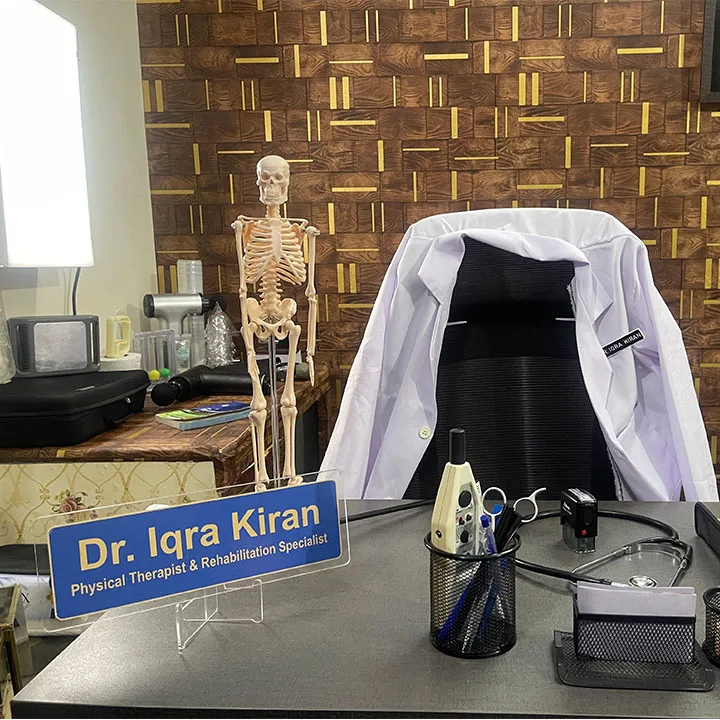
Meet Dr. Iqra Kiran at Physio Rehab Solution
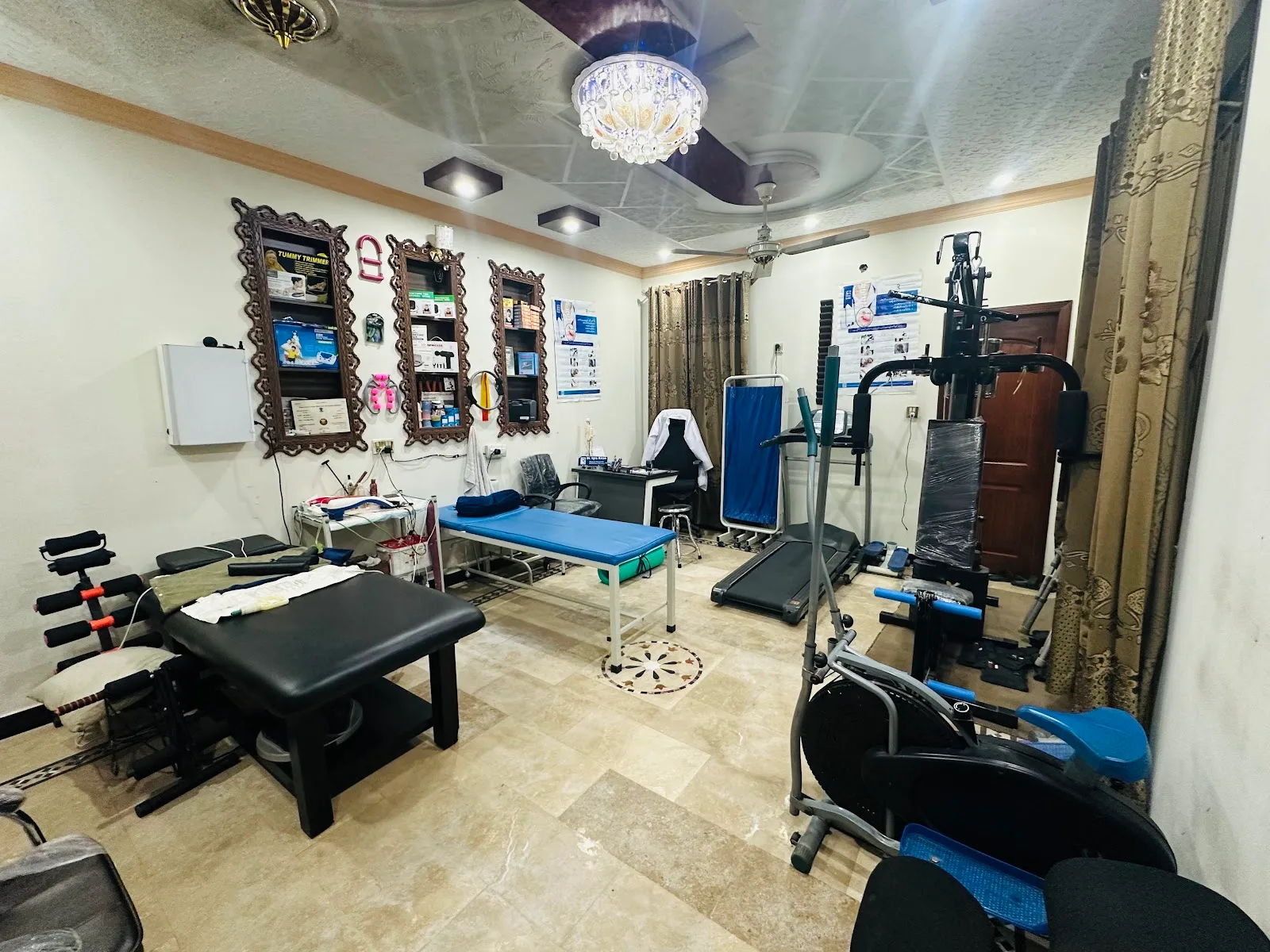
If you’re interested in spinal traction as a treatment for your back pain, you’ll want to work with an experienced and qualified therapist. At Physio Rehab Solution in Rawalpindi, you’ll find a team of highly trained physiotherapists, including Dr. Iqra Kiran.
Dr. Kiran has extensive experience in treating patients with spinal conditions using a variety of techniques, including spinal traction. She takes a personalized approach to each patient, creating a treatment plan that meets their unique needs and goals.
How Many Traction Sessions Will You Need?
There is no fixed number. Traction is rarely used on its own; it is one part of a plan that also includes exercise, manual therapy and posture advice. Many patients have traction as part of a block of sessions over two to four weeks, after which the focus shifts to strengthening and movement so the improvement lasts.
Progress is checked at every visit. If symptoms such as leg or arm pain are reducing and you can move more freely, traction continues. If there is no meaningful change after a few sessions, Dr. Iqra Kiran will change the approach rather than keep repeating something that is not helping.
Cervical vs Lumbar Traction
- Cervical (neck) traction: gently draws the head away from the shoulders to reduce pressure on neck joints and nerve roots. It is mainly used for neck pain with arm symptoms such as tingling or numbness.
- Lumbar (lower back) traction: separates the vertebrae of the lower back and is mainly used for back pain with leg symptoms, such as sciatica related to a disc problem.
The force, angle and duration are set for your body weight and condition, and they are started low and increased only if you tolerate the treatment comfortably.
Is Home Traction Equipment Worth Buying?
Over-the-door neck traction kits and inversion tables are widely sold, but using them without assessment carries risks. The wrong angle or too much force can make nerve symptoms worse, and inversion tables are not suitable for people with high blood pressure, glaucoma or heart problems. If traction helps you in the clinic, ask your physiotherapist whether a home device is appropriate and how to set it up safely before buying one.
Exercises That Support Traction Treatment
- Chin tucks to strengthen the deep neck muscles and reduce forward head posture
- Gentle back extensions or lying on your front, when advised, for some disc-related back pain
- Core activation exercises to support the lower back
- Walking, which is one of the best activities for most people with back pain
- Posture breaks every 30 to 60 minutes if you sit for long periods
Your exact exercises depend on your diagnosis, so follow the programme you are given rather than copying routines online. You can also check how much your neck pain affects daily life with our NDI calculator.
Signs Traction Is Working for You
Good signs include leg or arm pain moving closer to the spine (called centralisation), less tingling or numbness, being able to sit or stand for longer, and sleeping better. Warning signs include symptoms spreading further down the limb, new weakness or numbness, or pain that stays worse for hours afterwards. Tell your physiotherapist straight away if you notice any of these, so the force or approach can be changed.
Fees and Booking
Spinal traction is included in a normal clinic session: Rs. 3,500 per session, or Rs. 3,000 per session with a 7-day or 10-day package. Your first session is 45 minutes and includes a full spinal assessment, so traction is only used if it is right for you. Book an assessment or message us on WhatsApp with your MRI report first if you have one.