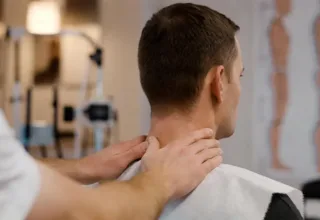
The Secret Technique That Gets You Back to Sports 50% Faster

best physiotherapy exercises for sports injury recovery

Table of Contents

Getting sidelined by a sports injury is frustrating. One moment you’re training, competing, or just enjoying your favorite game, and the next you’re stuck resting, icing, and wondering how long it will take to get back. For many athletes, the real fear is not the injury itself, but the slow, uncertain recovery process.

The good news is this: recovery does not have to be painfully slow. There is a proven physiotherapy-based approach that helps athletes return to sport significantly faster, without increasing the risk of re-injury. When done correctly, it combines progressive loading, movement-specific rehabilitation, and the best physiotherapy exercises for sports injury recovery.

In this article, we’ll break down this “secret technique,” explain why it works, and show you exactly how physiotherapy accelerates sports injury recovery safely and effectively.

Why Most Athletes Recover Slower Than They Should

Before we talk about speeding things up, it’s important to understand what slows recovery down in the first place.
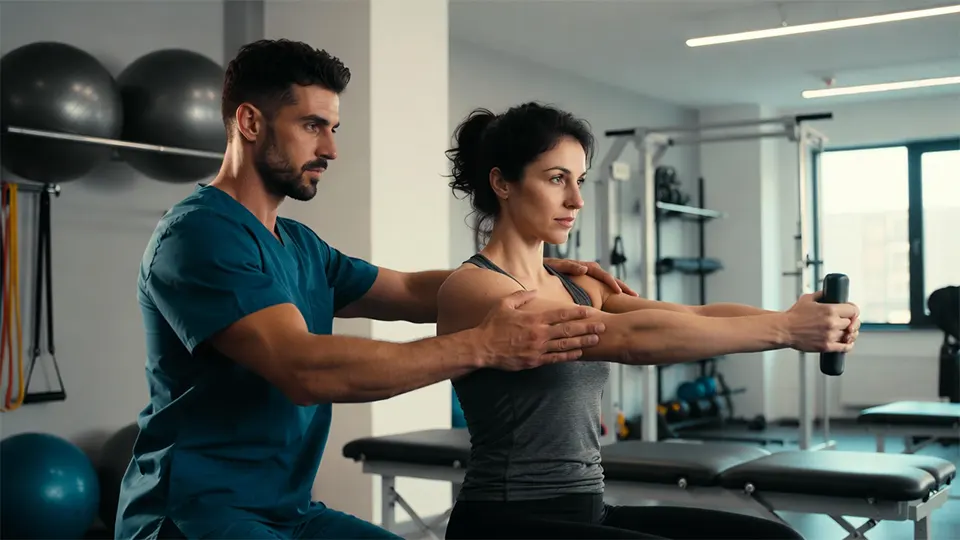
Why Most Athletes Recover Slower Than They Should

Many athletes make these common mistakes:

  • Resting for too long and avoiding movement completely

  • Returning to sport too early without proper rehabilitation

  • Following generic exercise routines not designed for their sport

  • Ignoring pain signals or compensating with poor movement patterns

Injuries heal in stages, but tissues recover faster when they are loaded correctly, not when they are completely avoided. This is where physiotherapy changes everything.
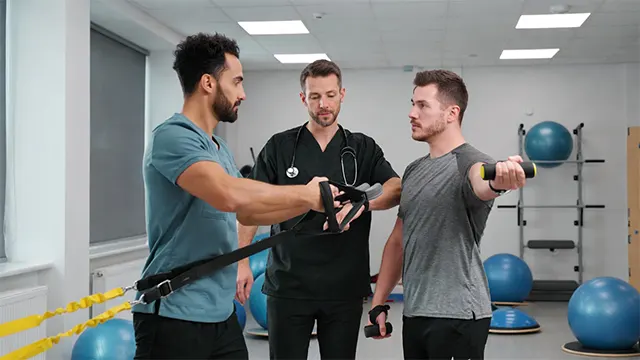

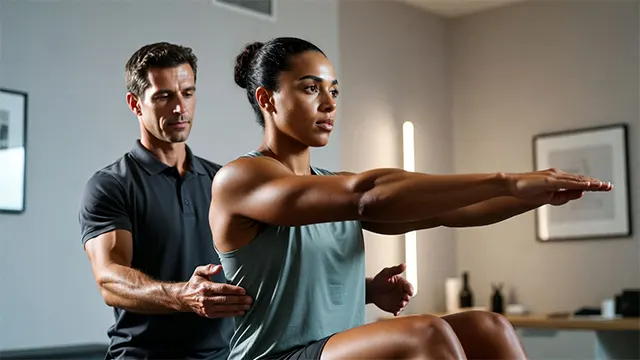
The Secret Technique: Progressive, Sport-Specific Physiotherapy

The Secret Technique Progressive Sport-Specific Physiotherapy

The “secret” isn’t a shortcut or a miracle cure. It’s a structured physiotherapy approach that focuses on three key principles:

1. Early Controlled Movement

Instead of complete rest, controlled movement begins early to maintain mobility, circulation, and neuromuscular control.

2. Progressive Loading

Muscles, tendons, and ligaments are gradually exposed to increasing load so they adapt and strengthen faster.

3. Sport-Specific Exercise Integration

Rehab exercises mimic real sports movements, preparing the body for actual performance demands.

This combination allows athletes to regain strength, coordination, and confidence much faster than traditional rest-based recovery.

How Physiotherapy Accelerates Sports Injury Recovery

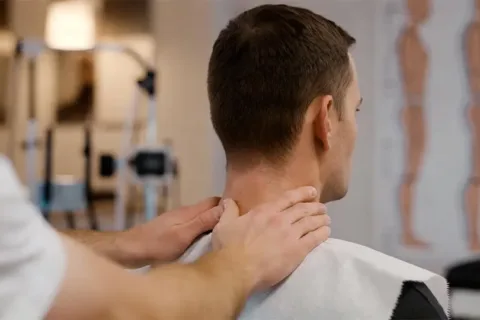
secret technique secret technique,physiotherapy,best physiotherapy exercises for sports injury recovery,athletes

Physiotherapy is not just about pain relief. It’s about restoring optimal movement and function.

Here’s how it speeds up recovery:

  • Improves blood flow and tissue healing

  • Prevents muscle wasting during recovery

  • Restores joint mobility and flexibility

  • Retrains movement patterns to prevent compensation

  • Builds resilience against future injuries

When guided by a professional, physiotherapy ensures you heal stronger, not just symptom-free.

Best Physiotherapy Exercises for Sports Injury Recovery

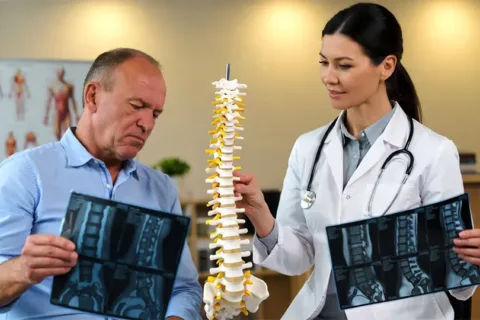
best physiotherapy exercises for sports injury recovery

Below are some of the most effective categories of exercises used in sports rehabilitation. These are adapted based on the injury, sport, and recovery phase.

Phase 1: Mobility and Range of Motion Exercises

Restoring movement is the first step after injury.

Examples

  • Passive and active joint range of motion exercises

  • Gentle stretching within pain-free limits

  • Controlled mobility drills

Why They Matter

Limited mobility increases stress on surrounding tissues. Early movement helps prevent stiffness and long-term restrictions.

Phase 2: Strength and Stability Training

Once pain and swelling reduce, strength becomes the priority.

Examples

  • Isometric muscle contractions

  • Resistance band exercises

  • Closed-chain exercises like squats or wall push-ups

Why They Matter

Strength protects injured tissues and restores confidence in movement.

Phase 3: Neuromuscular and Balance Training

This phase retrains coordination and control.

Examples

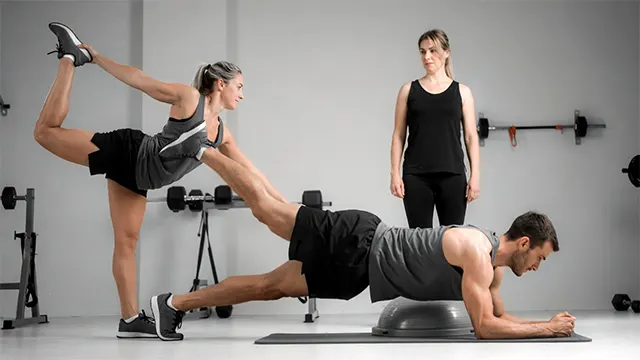
  • Single-leg balance exercises

  • Proprioceptive drills using balance boards

  • Controlled agility movements

Why They Matter

Most sports injuries occur due to poor neuromuscular control, not lack of strength alone.

Phase 4: Sport-Specific Rehabilitation Exercises

This is where recovery truly accelerates.

Examples

  • Running drills for football or cricket players

  • Jumping and landing mechanics for basketball or volleyball

  • Direction-change drills for field sports

Why They Matter

Your body must be prepared for the exact demands of your sport before returning safely.

Why Generic Exercise Plans Fail Athletes

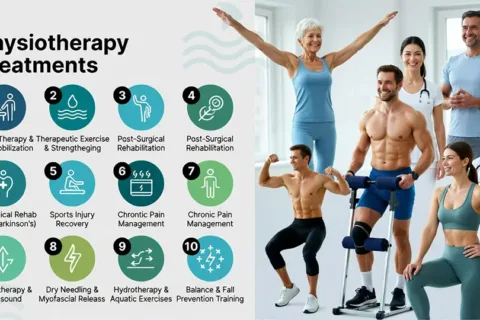
secret technique secret technique,physiotherapy,best physiotherapy exercises for sports injury recovery,athletes

Many injured athletes in Rawalpindi and Islamabad rely on online workouts. This often leads to:

  • Overloading injured tissues

  • Ignoring healing timelines

  • Poor movement patterns

  • Increased risk of re-injury

The best physiotherapy exercises for sports injury recovery are always tailored to:

  • Injury type

  • Sport demands

  • Recovery stage

  • Individual biomechanics

Common Sports Injuries Treated With Physiotherapy

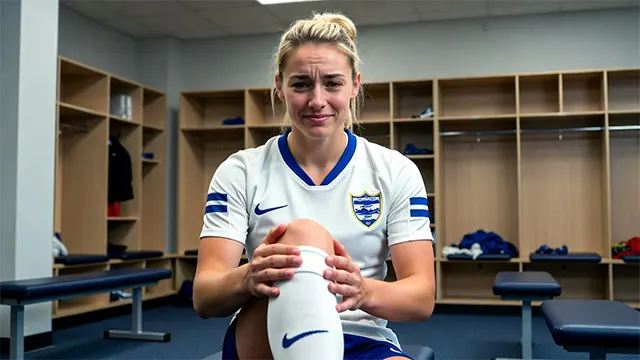
Common Sports Injuries That Benefit Most from Physiotherapy

Physiotherapy clinics in Rawalpindi and Islamabad commonly treat:

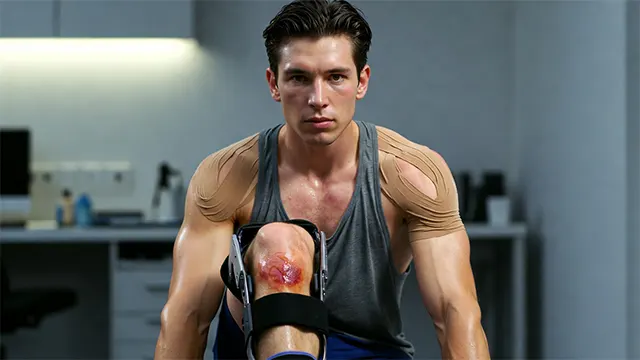
  • ACL and knee ligament injuries

  • Ankle sprains

  • Hamstring and calf strains

  • Shoulder and rotator cuff injuries

  • Tennis elbow and golfer’s elbow

  • Lower back pain in athletes

Early physiotherapy dramatically improves outcomes in all these conditions.

How Long Does Sports Injury Recovery Take?

How Long Does Sports Injury Recovery Really Take

Recovery time depends on:

  • Injury severity

  • Athlete’s fitness level

  • Consistency with physiotherapy

With structured physiotherapy:

  • Mild injuries recover 30–50% faster

  • Moderate injuries regain strength efficiently

  • Chronic injuries show long-term improvement

The goal is safe, sustainable recovery.

Mistakes That Delay Return to Sports

Mistakes That Delay Return to Sports

Avoid these common errors:

  • Playing through pain

  • Skipping rehab once pain decreases

  • Comparing recovery timelines with teammates

  • Ignoring flexibility and balance training

Pain relief alone does not mean readiness.

When Is It Safe to Return to Sports?

Signs You’re Ready to Return to Sports

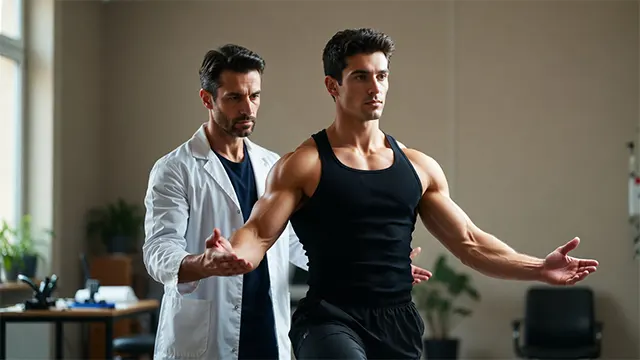
A physiotherapist usually checks:

  • Full pain-free range of motion

  • Equal strength on both sides

  • Good balance and coordination

  • Confidence during sport-specific drills

Skipping this assessment increases injury recurrence.

Mental Confidence: The Overlooked Recovery Factor

Mental Confidence The Hidden Recovery Factor

Fear of re-injury is common.

Physiotherapy helps by:

  • Gradual exposure to sports movements

  • Controlled simulation of match scenarios

  • Objective strength and performance testing

Confidence plays a major role in safe return to sport.

Injury Prevention Through Physiotherapy

Injury Prevention The Bonus Benefit of Physiotherapy

Physiotherapy is not only for injuries.

Ongoing sessions help:

  • Correct posture and movement faults

  • Improve joint stability

  • Reduce overuse injuries

  • Enhance athletic performance

Many athletes in Islamabad and Rawalpindi now include physiotherapy as part of training.

Frequently Asked Questions (FAQs)

What are the best physiotherapy exercises for sports injury recovery?

They include mobility drills, progressive strength training, balance exercises, and sport-specific movements tailored to the injury and sport.

Yes. When done correctly, physiotherapy promotes faster tissue healing, better strength restoration, and safer return to sport.

In most cases, early physiotherapy begins within days of injury, depending on pain and swelling levels.

Short-term rest is important, but prolonged rest delays recovery. Controlled exercise leads to better outcomes.

Yes, but they should be prescribed and progressed by a qualified physiotherapist to avoid mistakes.

If you’re looking for expert sports injury rehabilitation in Rawalpindi, Dr. Iqra Kiran, a licensed Physical Therapist, provides specialized sports physiotherapy at Physio Rehab Solution Rawalpindi Clinic.

Final Thoughts: Recover Smarter With Expert Physiotherapy

Recover Smarter With Expert Physiotherapy

Sports injuries don’t need to end your season or fitness goals. With the right rehabilitation approach, athletes can recover faster, stronger, and safer.

By following the best physiotherapy exercises for sports injury recovery under professional guidance, athletes in Rawalpindi and Islamabad can return to sport with confidence and reduced risk of re-injury.

If you’re dealing with a sports injury, consult a qualified sports physiotherapist and commit fully to your recovery plan. Your long-term performance depends on it.

Most Popular

Find the Best Physiotherapist Near Me Reviews (5-Minute Guide)

Table of Contents Introduction: Why Your Search Matters More Than You Think You are likely…

February 9, 2026

How Much Does a Physiotherapy Session Cost Near ME in 2026? | Physiotherapy Pricing Explained

Physiotherapy plays a crucial role in improving the quality of life for many people. Whether…

January 29, 2026

The Secret Exercises That Sports Physical Therapists Don’t Want You to Know

Table of Contents Physical therapy plays an integral role in helping athletes recover from injuries,…

January 28, 2026

7 Signs to Book Physiotherapist Appointment Online

Table of Contents Imagine this: You’re in the middle of your training season, pushing through…

January 27, 2026

The Secret Technique That Gets You Back to Sports 50% Faster

Table of Contents Getting sidelined by a sports injury is frustrating. One moment you’re training,…

January 26, 2026

You may also like

Leave a Comment

Your email address will not be published. Required fields are marked *

Scroll to Top