Table of Contents
Physical therapy plays an integral role in helping athletes recover from injuries, enhance performance, and prevent future injuries. Whether you’re a professional athlete or a weekend warrior, sports physical therapy can help you stay on top of your game. But how do you know which exercises truly make a difference in recovery and performance enhancement? Are there specific exercises that sports physical therapists use but don’t always share with the public?
If you’ve ever found yourself Googling “best sports physical therapist near me,” you’re probably looking for tailored solutions to improve flexibility, strength, or speed up your recovery. While physical therapy is well-known for its standard treatments, there are secret exercises that therapists swear by—yet they don’t always advertise. These exercises are incredibly effective in rehabilitation and enhancing athletic performance.
So, are you wondering what exercises can really make a difference in your recovery or performance? In this blog post, we’ll uncover those secret exercises and explain why they are so beneficial for sports enthusiasts like you.
What is Sports Physical Therapy?
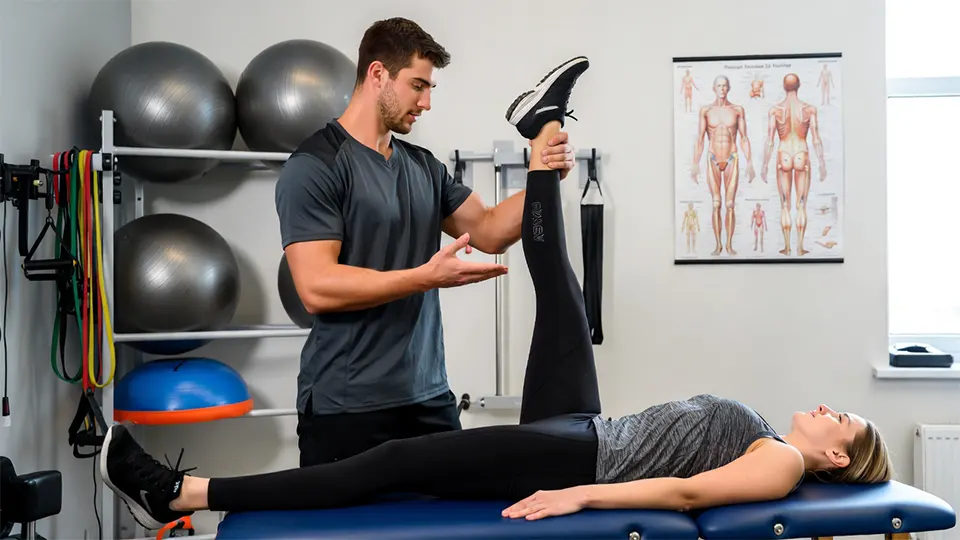
Understanding the Role of Sports Physical Therapy
Sports physical therapy is a specialized field within physical therapy that focuses on the prevention, treatment, and rehabilitation of sports-related injuries. It’s designed to help athletes, regardless of their level, recover from injuries and improve their overall performance. Unlike general physical therapy, which addresses a wide range of musculoskeletal conditions, sports physical therapy is specifically tailored to athletes’ needs and the unique demands of their sports.
Physical therapists who specialize in sports injuries have extensive knowledge of biomechanics, anatomy, and the specific movements involved in various sports. They play a vital role in diagnosing and treating common injuries such as sprains, strains, fractures, and tendinitis, as well as helping athletes recover from surgery. More than just treating injuries, sports physical therapists are experts in preventing future injuries by improving flexibility, mobility, strength, and balance.
In addition to injury rehabilitation, sports physical therapists work on optimizing performance. This can include improving agility, reducing fatigue, increasing range of motion, and developing strategies to prevent re-injury. Sports physical therapy programs are personalized based on an individual’s specific sport, goals, and injury history.
Common Sports Injuries Treated in Sports Physical Therapy
Sports injuries can happen for a variety of reasons, but they often result from overuse, trauma, or improper mechanics. Some of the most common injuries include:
Sprains and Strains: Ligament sprains and muscle strains are common injuries in sports involving high-intensity movements.
Tendinitis: Overuse of muscles and joints can lead to inflammation of the tendons, often seen in tennis elbow or runner’s knee.
Fractures: High-impact sports often result in fractures, which require targeted rehabilitation to regain strength and mobility.
Dislocations: Common in contact sports, dislocations can be painful and lead to long-term instability if not properly treated.
Shin Splints: A common overuse injury that causes pain along the shinbone, especially in runners and athletes who perform repetitive lower-body movements.
Physical therapists treat these injuries through manual therapy, exercise programs, and specialized techniques. Their goal is not only to heal the injury but also to optimize the athlete’s performance and reduce the chances of recurring injuries.
The Secret Exercises That Sports Physical Therapists Don’t Want You to Know
While physical therapists are trained to provide you with the tools to rehabilitate injuries and improve performance, there are certain exercises that go beyond the basics. These “secret” exercises are often the key to accelerating recovery, improving strength, flexibility, and endurance, and preventing injuries down the line. While they might not be publicized widely, these exercises are highly effective when done correctly.
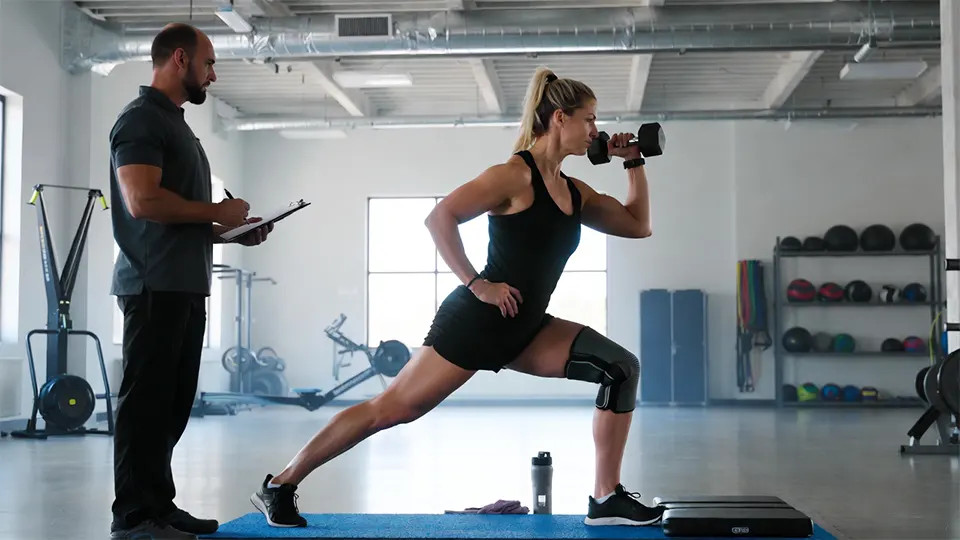
1. The Bulgarian Split Squat
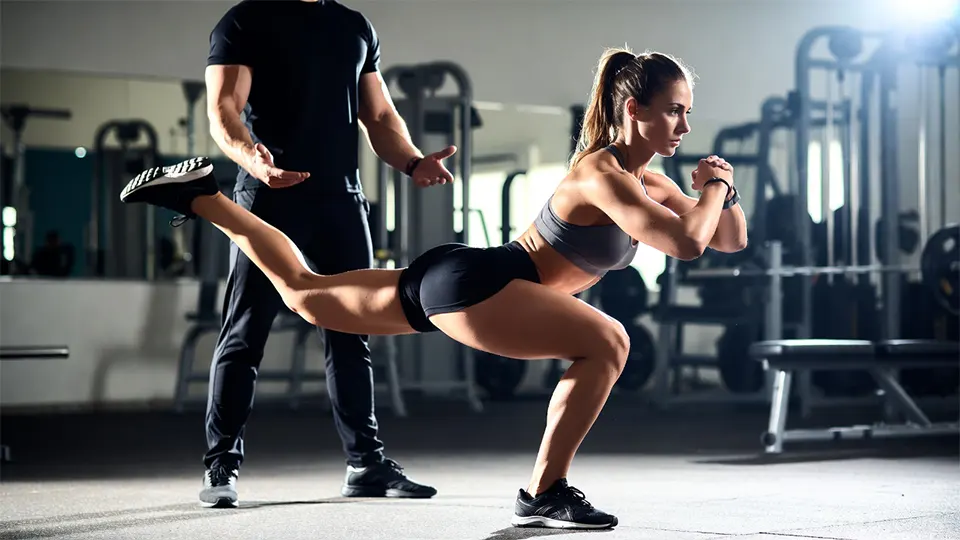
Why it works: The Bulgarian split squat is one of the most effective exercises for targeting the quads, hamstrings, and glutes while also engaging the core. It helps improve strength and balance, making it ideal for athletes who need stability and power in their lower body.
How to do it:
Start by standing a few feet away from a bench or elevated surface.
Place one foot behind you on the bench and lower your hips, keeping your chest upright and your core engaged.
Bend your front knee until it forms a 90-degree angle, then push through your front foot to return to the starting position.
Repeat for 3 sets of 12 reps on each leg.
Tips:
For beginners, start with body weight only.
To increase intensity, add dumbbells or a barbell.
Perform the movement slowly to engage the muscles more effectively.
Modifications: For those with knee or hip issues, a lower range of motion may be beneficial. Avoid going too deep into the squat if you experience discomfort.
2. The Dead Bug Exercise
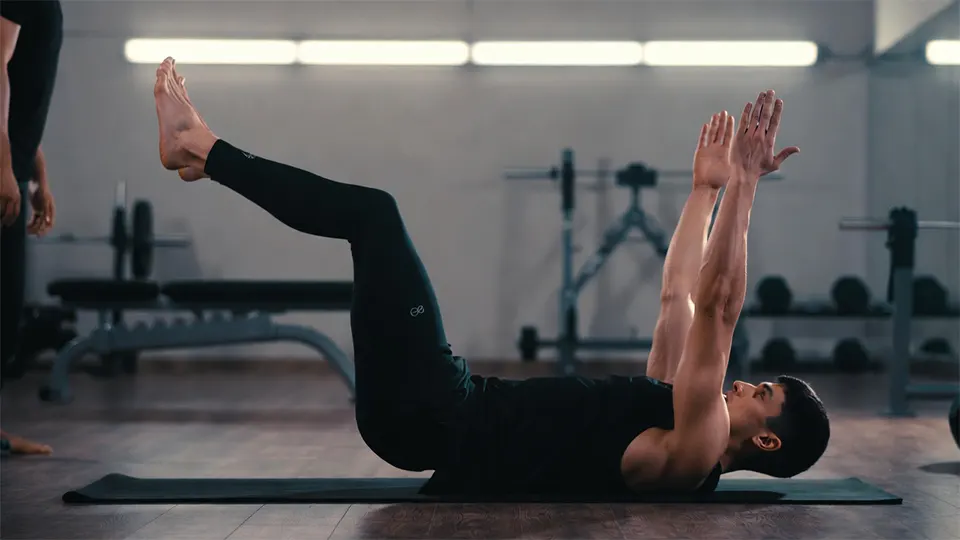
Why it works: The dead bug exercise is an excellent core-strengthening movement that targets the lower abs and helps stabilize the spine. It also improves coordination and body control, crucial for athletes who rely on strong core muscles for balance and strength during dynamic movements.
How to do it:
Lie on your back with your arms extended toward the ceiling and your knees bent at a 90-degree angle.
Slowly lower your right arm and left leg toward the floor, keeping your lower back pressed into the ground.
Return to the starting position and repeat with the opposite arm and leg.
Perform 3 sets of 10 reps on each side.
Tips:
Keep your back flat against the floor throughout the exercise.
Engage your core by pulling your belly button toward your spine.
Perform the exercise slowly to avoid momentum taking over.
Modifications: If the full movement is too difficult, begin with just one limb moving at a time.
3. Single-Leg Romanian Deadlift
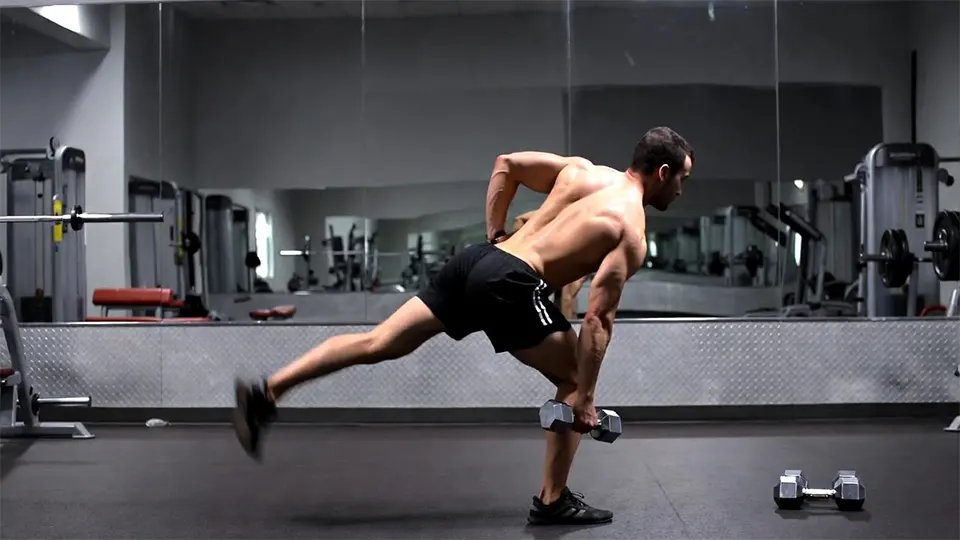
Why it works: This exercise strengthens the hamstrings, glutes, and lower back while challenging your balance and coordination. It’s particularly helpful for athletes looking to improve their posterior chain (the muscles along the back of your body) and prevent hamstring injuries.
How to do it:
Stand with your feet hip-width apart, holding a dumbbell in each hand.
Slowly hinge forward at the hips, lifting one leg behind you while keeping your back straight.
Lower the dumbbells toward the ground while keeping a slight bend in the standing leg.
Return to the starting position and repeat for 3 sets of 10 reps on each side.
Tips:
Keep your hips square to the floor throughout the movement.
Engage your core and avoid rounding your back.
Use a mirror or wall for balance assistance.
Modifications: Perform the exercise without weights if you’re new to the movement or have balance concerns.
4. Hip Airplanes
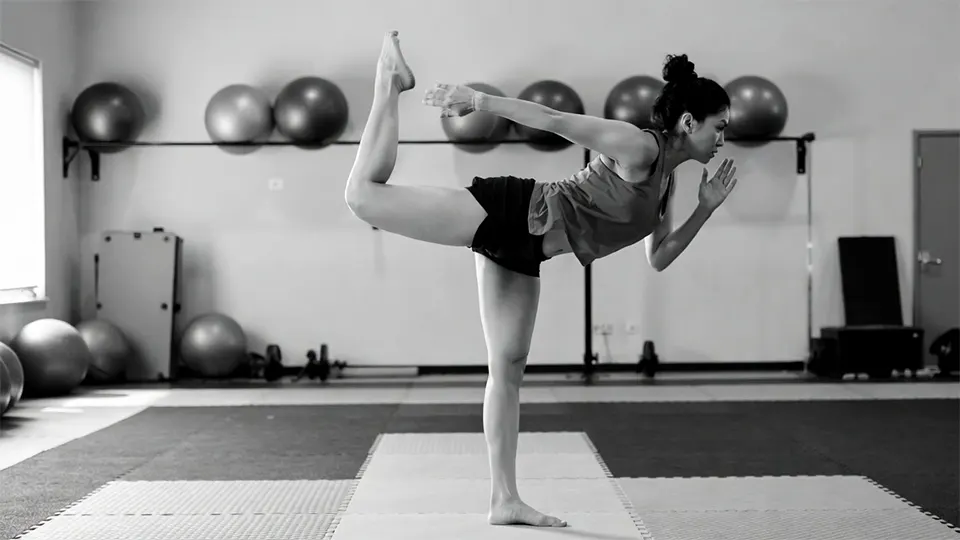
Why it works: Hip airplanes are great for improving hip mobility and stability, which are essential for many sports movements. This exercise targets the hip flexors, glutes, and hip rotators, helping to improve rotational stability and prevent hip-related injuries.
How to do it:
Stand on one leg and lift the other leg behind you into a single-leg hinge position.
Rotate your hips by turning your raised leg out to one side, then rotate back to the starting position.
Slowly reverse the motion and repeat for 3 sets of 10 reps on each side.
Tips:
Keep your core engaged to prevent excessive movement in your spine.
Perform the exercise in a controlled manner, especially when rotating.
Modifications: If you find it challenging to balance, try using a wall or support for assistance.
5. Foam Rolling and Self-Myofascial Release
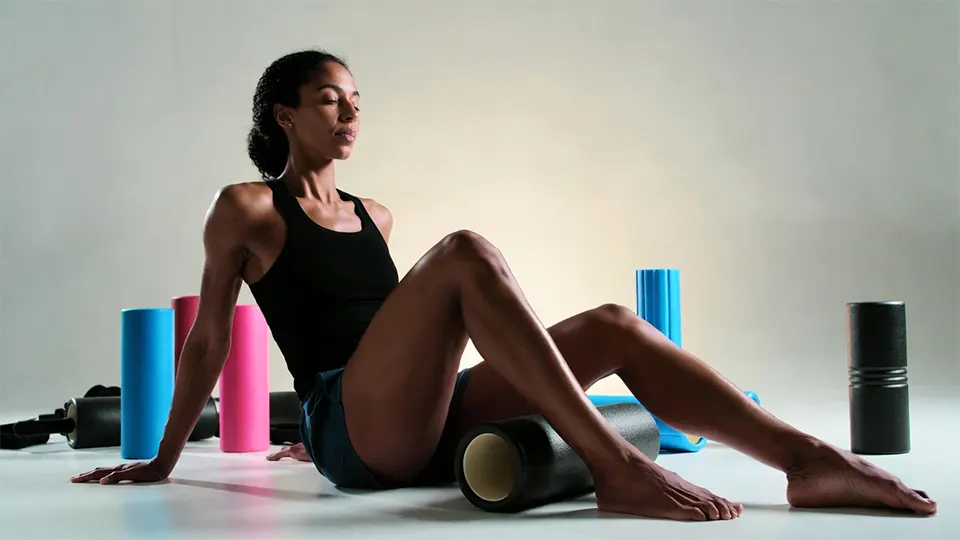
Why it works: Foam rolling and self-myofascial release techniques are essential for improving flexibility, reducing muscle tightness, and increasing blood flow to muscles. These techniques are highly beneficial for both recovery and injury prevention, as they can help release muscle knots and trigger points that often lead to injury.
How to do it:
Begin by positioning a foam roller under the targeted muscle (e.g., quads, hamstrings, calves, etc.).
Slowly roll over the muscle, pausing on any tender spots for 30-60 seconds.
Gradually move to the next muscle group and repeat the process.
Tips:
Don’t roll over bones or joints—focus on the muscle tissue.
Take deep breaths to relax while rolling.
Start with lighter pressure and increase intensity as needed.
Modifications: For beginners, use a softer foam roller. As you get accustomed to the pressure, you can switch to a firmer roller for deeper tissue release.
Why These Exercises Are Often Not Shared Publicly

So why aren’t these exercises more widely known? There are a few reasons why sports physical therapists may keep these exercises relatively private.
For one, these exercises require precision and may be considered “advanced.” Performing them incorrectly can lead to injury, which is why many therapists prefer to introduce them to patients in a controlled environment. Therapists also focus on individual recovery plans, ensuring that the exercises are tailored to each athlete’s specific needs, which is why they aren’t typically shared as generic routines.
There’s also a business aspect. Professional physical therapists spend years honing their expertise, and some exercises are part of a broader, personalized treatment plan that they provide to paying clients. By keeping certain exercises under wraps, they protect the exclusivity of their services.
Lastly, some of these exercises require advanced knowledge of anatomy, biomechanics, and muscle activation patterns, which might be overwhelming for the average person to attempt without proper guidance. That’s why working with the best sports physical therapist near me is crucial when introducing these advanced exercises into your routine.
Finding the Best Sports Physical Therapist Near You

If you’re ready to take your rehabilitation or athletic performance to the next level, finding a best sports physical therapist near me should be your first step. Look for a therapist who has experience in sports injuries and a proven track record with athletes. Certifications such as a Certified Sports Clinical Specialist (SCS) or a Doctor of Physical Therapy (DPT) are excellent indicators of a therapist’s expertise.
Check patient reviews and testimonials to ensure that the therapist has a reputation for achieving positive outcomes. Additionally, schedule a consultation to ensure the therapist understands your specific needs, goals, and any pre-existing conditions you may have.
Conclusion
Sports physical therapy offers athletes and active individuals the tools to recover from injuries, enhance their performance, and prevent future issues. The secret exercises shared in this blog can make a significant difference in your rehabilitation journey, helping you improve strength, flexibility, and balance.
Remember, a good sports physical therapist will provide personalized guidance tailored to your specific needs, ensuring you recover effectively and safely. So, if you’re serious about optimizing your athletic performance or recovering from an injury, don’t hesitate to search for the best sports physical therapist near me today. These exercises can help you become a more resilient and capable athlete!
FAQs (Frequently Asked Questions)
What are the best exercises for injury prevention in athletes?
The Bulgarian Split Squat, Dead Bug, and Single-Leg Romanian Deadlift are excellent for injury prevention.
How often should I perform physical therapy exercises?
It depends on your specific condition, but typically 2-3 times per week under professional guidance is recommended.
Can I do these exercises at home?
Some exercises, like foam rolling and the dead bug, can be done at home, but it’s best to perform more advanced exercises under the supervision of a therapist initially.
How long will it take to see results?
Recovery and performance improvements vary depending on the injury and your commitment to the therapy plan, but consistency usually yields results within a few weeks.
Ready to take your recovery or performance to the next level? Find the best sports physical therapist near me and discover how these secret exercises can help you reach your goals!