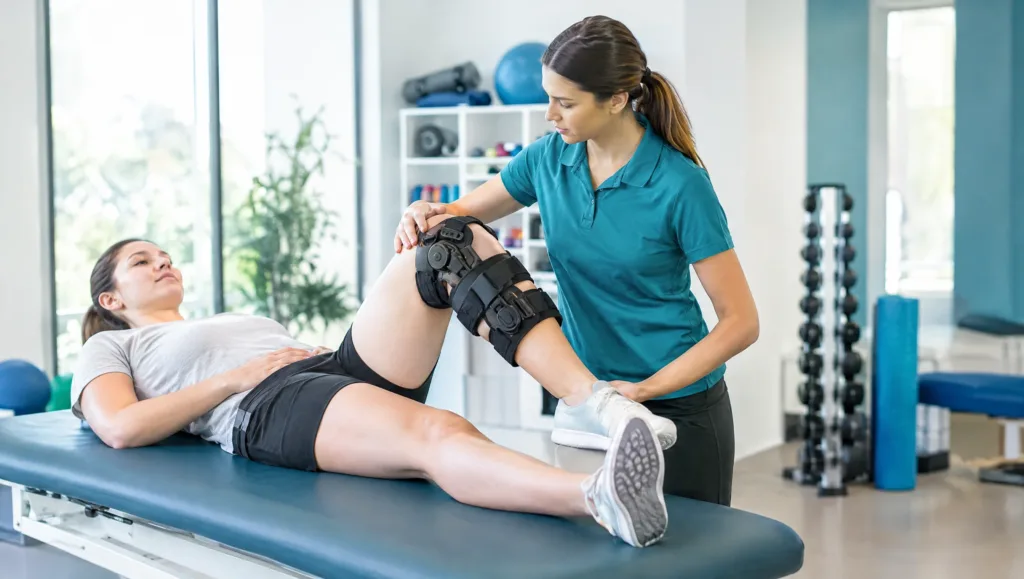
If you’ve just had ACL reconstruction surgery, or you’re preparing for one, the operation itself is only half the story. The ACL surgery physiotherapy rehab process that follows is what actually determines whether you walk normally again, return to sport, and avoid re-injuring the same knee. At Physio Rehab Solution in Rawalpindi, we see patients at every stage of this journey, and the single biggest predictor of a good outcome isn’t the surgeon’s technique — it’s how consistently the rehab plan is followed in the months afterward.
This guide walks through the full physiotherapy timeline after ACL surgery, phase by phase, so you know exactly what to expect, what your physiotherapist will actually be doing with you, and which mistakes derail recovery most often.
What Happens to Your Knee After ACL Surgery
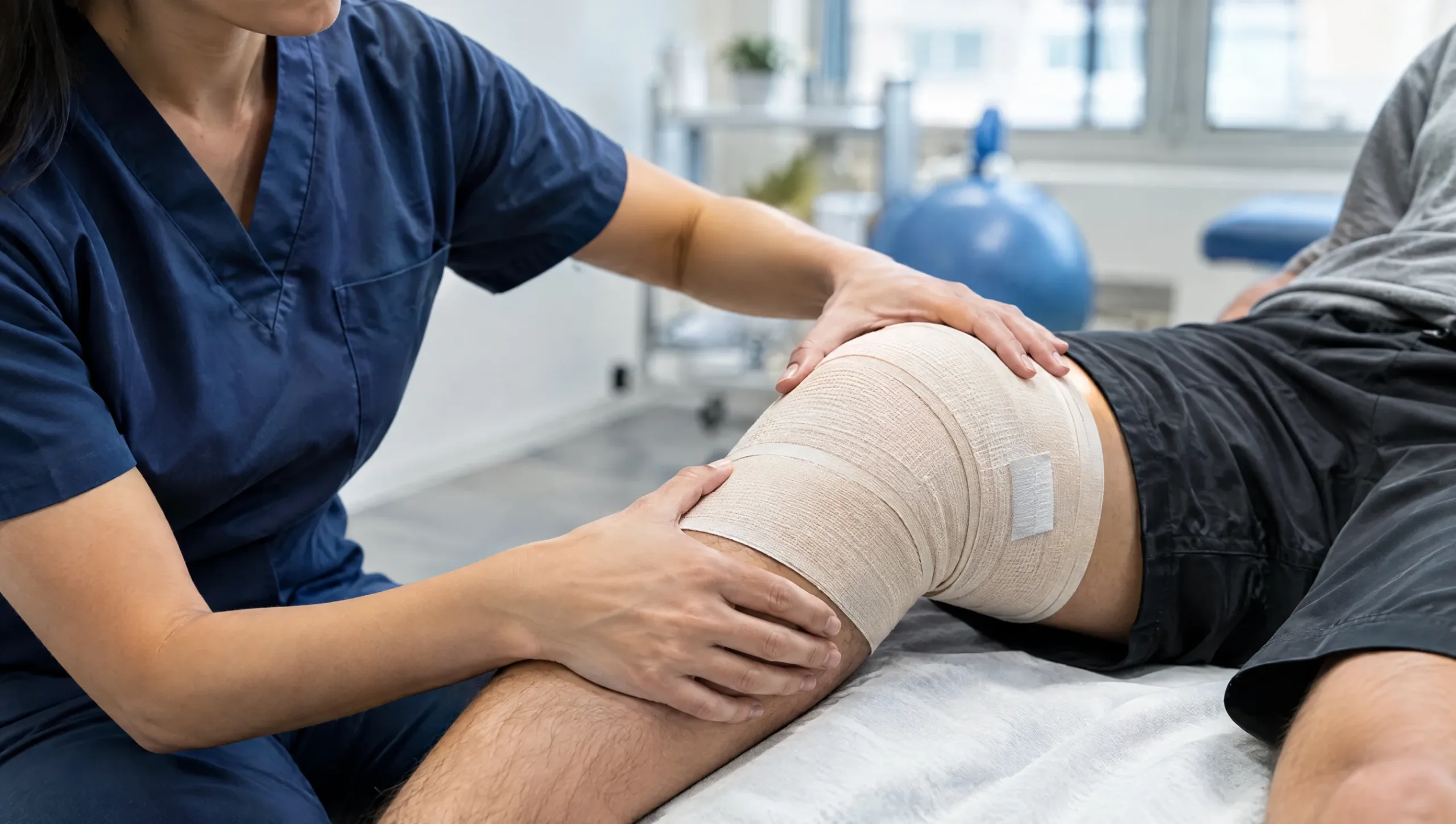
During ACL reconstruction, the torn ligament is replaced with a graft — usually taken from your own hamstring, patellar tendon, or quadriceps tendon. That graft needs time to “mature” inside the knee joint: blood vessels grow into it, it gradually gains the collagen structure of a real ligament, and it slowly becomes strong enough to handle load. This biological process, not just wound healing, is why ACL rehab takes 9 to 12 months rather than 9 to 12 weeks.
In the early weeks, swelling and muscle inhibition (especially in the quadriceps) are the main obstacles. Your knee “forgets” how to fire the muscles around it properly after surgery, a phenomenon called arthrogenic muscle inhibition. Physiotherapy in the first few weeks is almost entirely about reversing that, not about building strength yet.
The graft source your surgeon chose also shapes early rehab. A hamstring tendon graft often means your physiotherapist is more cautious with early hamstring-loading exercises, since that tissue needs time to heal at its new harvest site. A patellar tendon graft tends to cause more anterior knee pain in the first weeks and may need extra attention around kneeling and stair-descent. A quadriceps tendon graft sits in between the two. None of these differences change the overall destination, but they do change which exercises your physiotherapist introduces first — another reason a generic rehab PDF found online is a poor substitute for guided, individualised care.
The ACL Physiotherapy Timeline After Surgery
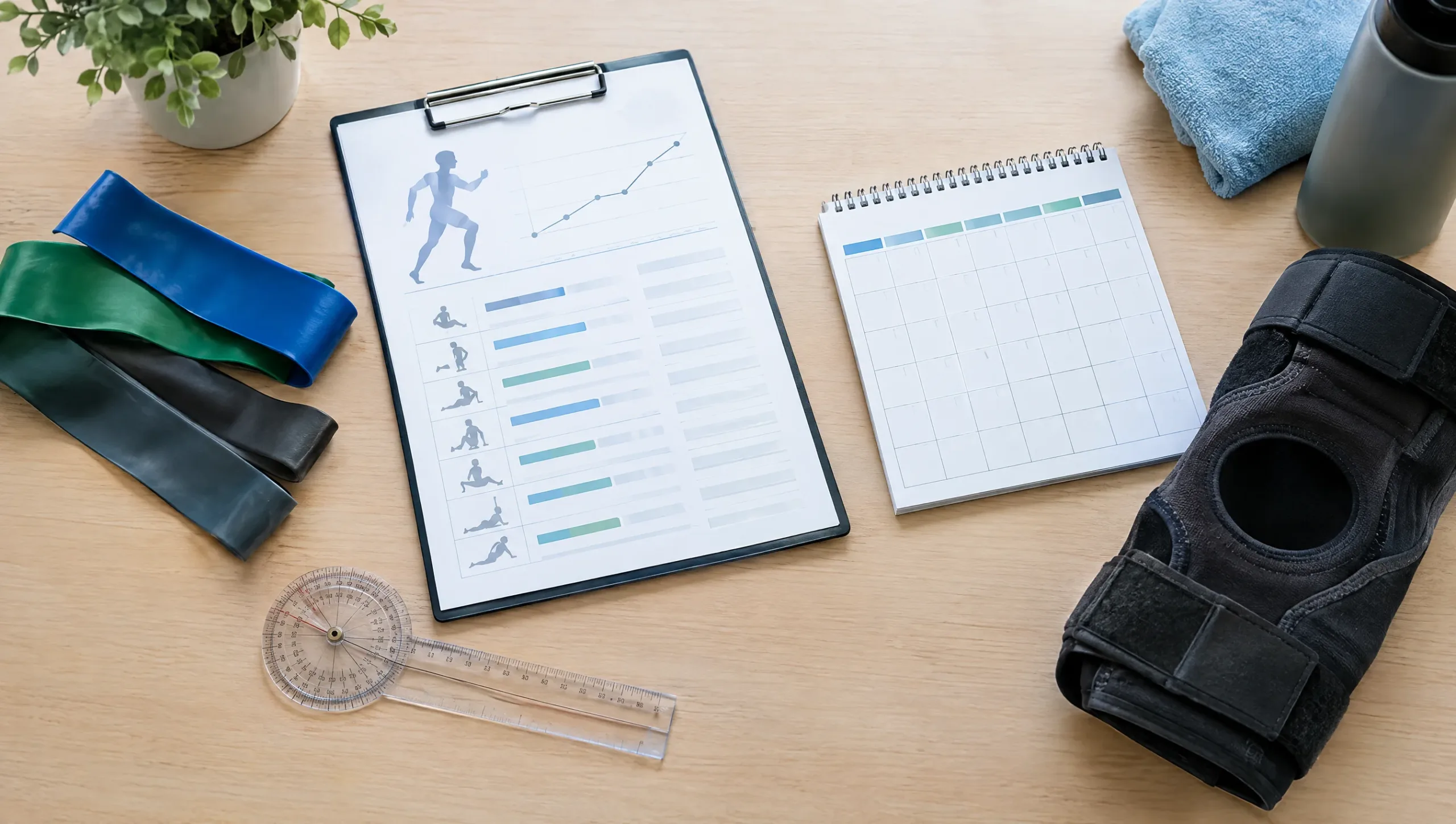
Every surgeon’s protocol differs slightly, and your physiotherapist will adjust timelines based on graft type and how your knee responds — but most reputable ACL rehab programs follow a similar general structure.
Weeks 0–2: Protect and Reduce Swelling
The priority here is controlling swelling, protecting the healing graft, and restoring basic knee extension (straightening). Gentle range-of-motion work, quad activation exercises, and walking with crutches as advised by your surgeon are typical. Full knee extension early on is one of the strongest predictors of a smooth recovery.
Weeks 2–6: Restore Range of Motion
Bending the knee further becomes the focus, alongside continued quad and hamstring activation. Most patients are weaned off crutches during this window, though this depends entirely on how your knee is responding, not a fixed calendar date.
Weeks 6–12: Build Strength
Closed-chain strengthening exercises (ones where your foot stays planted, like mini-squats and leg presses) begin to load the knee more directly. Balance and proprioception work — retraining the knee’s sense of position in space — also starts here, since this sense is disrupted by the original injury and surgery.
Months 3–6: Progress to Functional Strength
Running typically begins somewhere in this window, once strength and control benchmarks are met, not simply because a certain number of weeks has passed. Single-leg strength is compared against the uninjured leg, and most clinics look for at least 80% symmetry before progressing to agility drills.
Months 6–9: Agility and Sport-Specific Drills
Cutting, pivoting, jumping, and landing mechanics are retrained under supervision. This is where a physiotherapist’s eye matters most — poor landing mechanics here are a major contributor to second ACL injuries.
Months 9–12: Return-to-Sport Testing
Before clearing someone for full return to sport, we look for objective markers: quadriceps strength within 10–15% of the uninjured leg, successful hop-test symmetry, and confidence during cutting and landing tasks. Returning based on “it feels fine” alone, without these benchmarks, is one of the most common reasons athletes re-tear their ACL.
Why Physiotherapy Matters as Much as the Surgery Itself
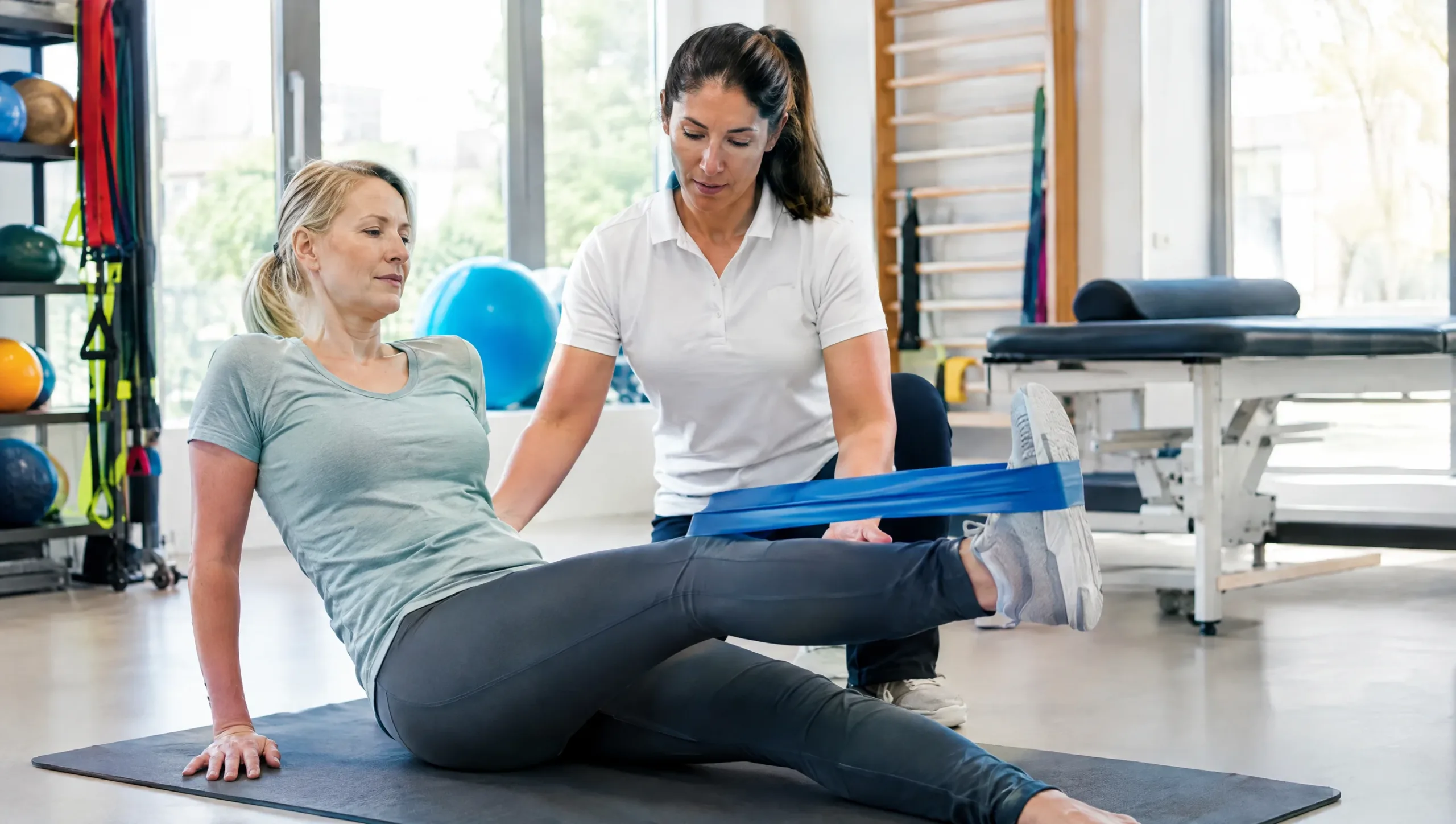
A well-performed ACL reconstruction gives you a structurally sound ligament. It does not, on its own, give you a knee that moves correctly, a quadriceps that fires at the right moment, or the neuromuscular control to land safely from a jump. Those are rehab outcomes, not surgical ones.
Research consistently shows that patients who complete structured physiotherapy after ACL surgery have better strength outcomes, higher rates of returning to their previous sport, and lower re-injury rates than those who rely on minimal or self-guided rehab. The graft can be biomechanically perfect and the knee can still fail a patient if the surrounding muscles and movement patterns were never properly retrained.
Common Mistakes That Slow Down ACL Recovery
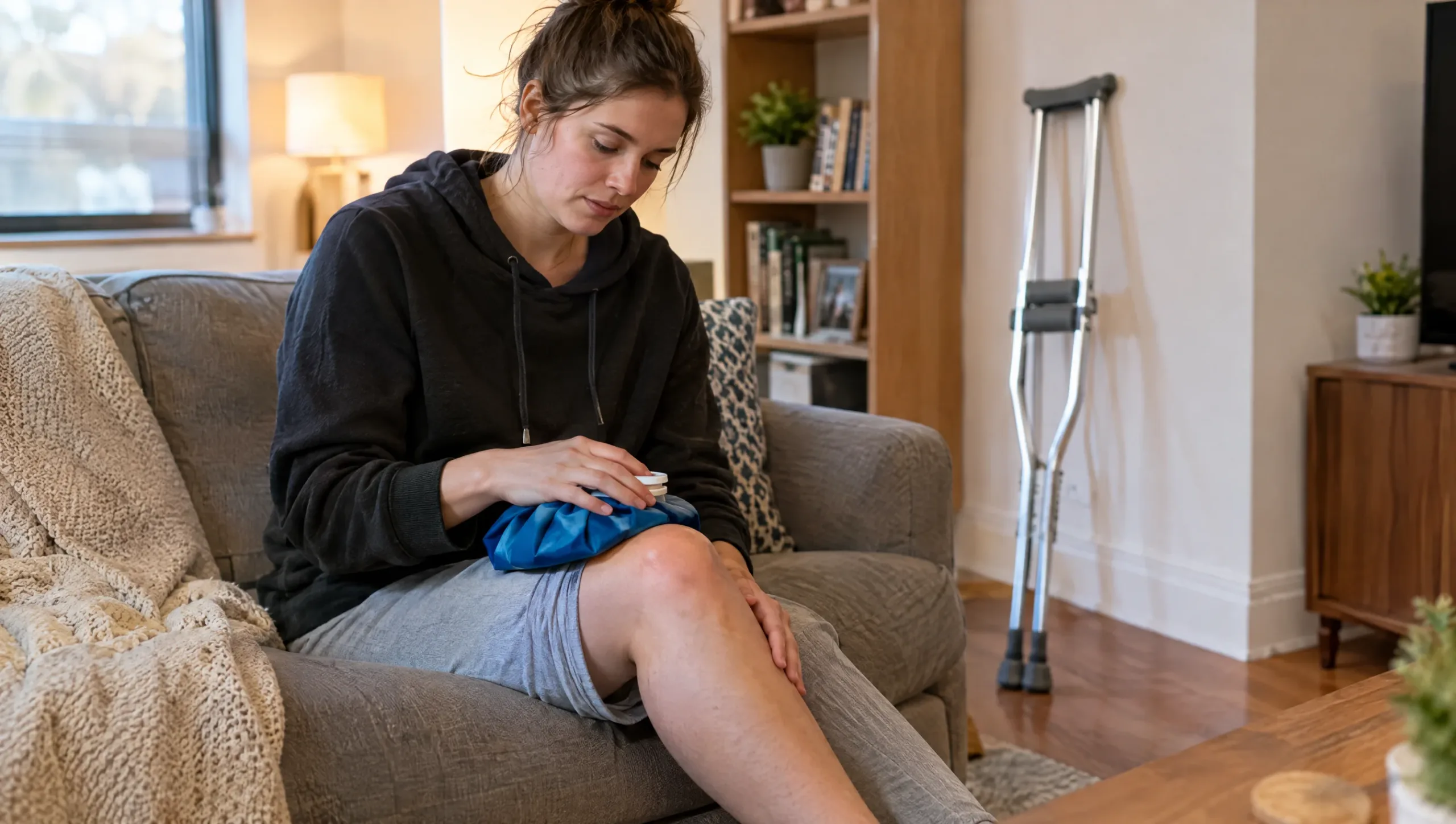
We see the same handful of mistakes repeatedly in patients who come to us after a slow or stalled recovery elsewhere:
- Skipping sessions once the knee “feels better.” Feeling better and being structurally ready to load the knee are not the same thing.
- Chasing range of motion too aggressively, too early. This can irritate the healing graft and increase swelling, which paradoxically slows progress.
- Ignoring the hip and ankle. ACL rehab that only looks at the knee misses hip weakness and ankle stiffness, both of which change how load travels through the leg.
- Returning to running or sport by the calendar, not by test results. A fixed “6 months and you’re cleared” mindset ignores that recovery speed varies significantly between individuals.
- Stopping rehab the moment sport resumes. Strength and control work should continue well into the first season back, since re-injury risk stays elevated for up to two years post-surgery.
Key Exercises in ACL Rehabilitation
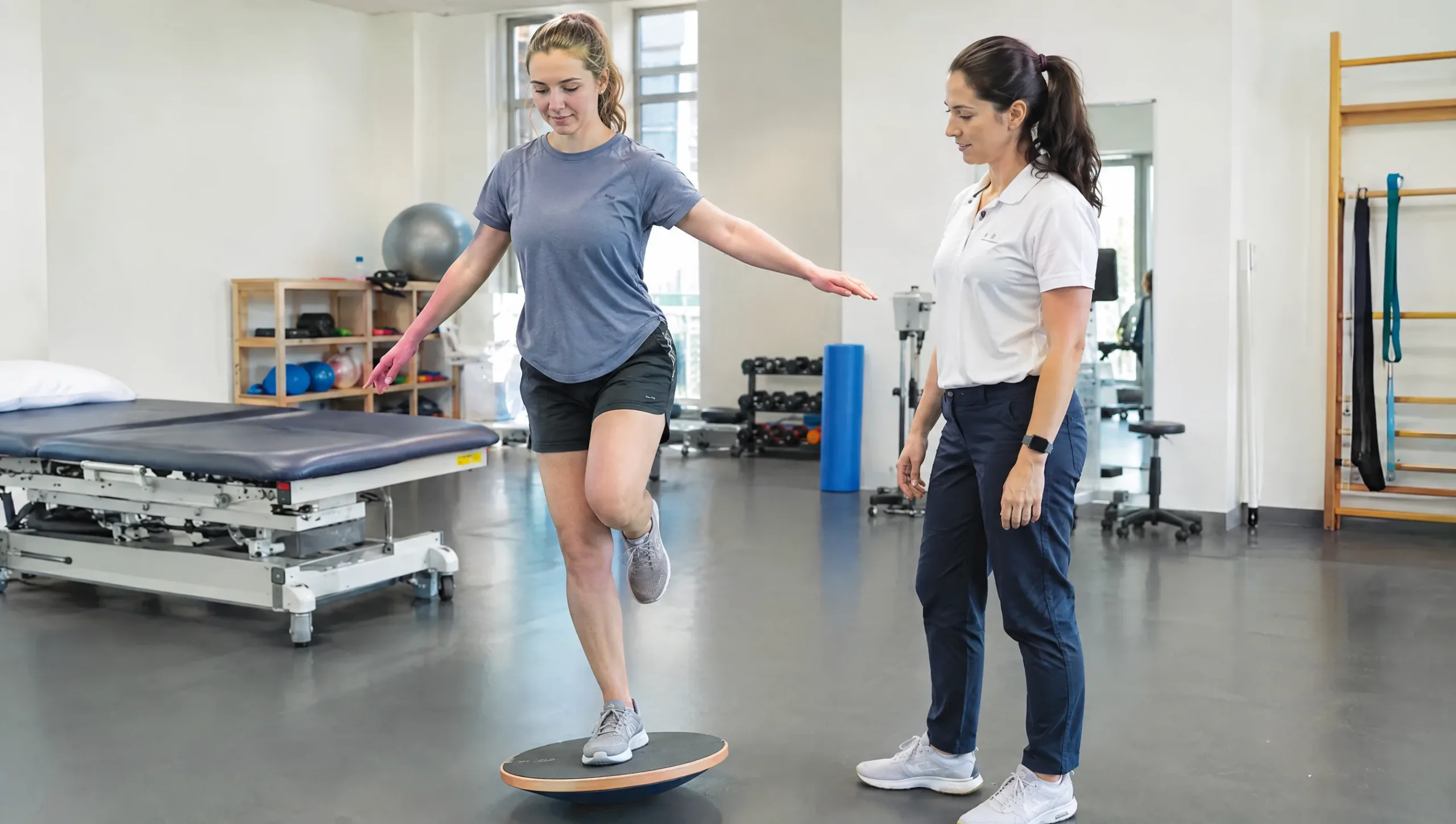
While every program should be individualised by a qualified physiotherapist, most ACL rehab plans progress through recognisable categories of exercise:
- Quad sets and straight-leg raises — early activation work to wake up the quadriceps without stressing the graft.
- Heel slides and stationary cycling — low-impact ways to regain range of motion.
- Mini-squats, step-ups, and leg press — closed-chain strengthening that loads the knee safely.
- Single-leg balance drills — rebuilding proprioception lost after injury and surgery.
- Jump-landing and cutting drills — later-stage work that retrains the movement patterns most linked to re-injury.
None of these should be attempted without guidance on timing and load — doing the right exercise at the wrong stage is almost as problematic as doing the wrong exercise altogether. A physiotherapist’s role here isn’t just picking exercises; it’s deciding when to progress, when to hold a stage longer, and when swelling or pain means a step back is the faster route forward overall.
When Is It Safe to Return to Sport
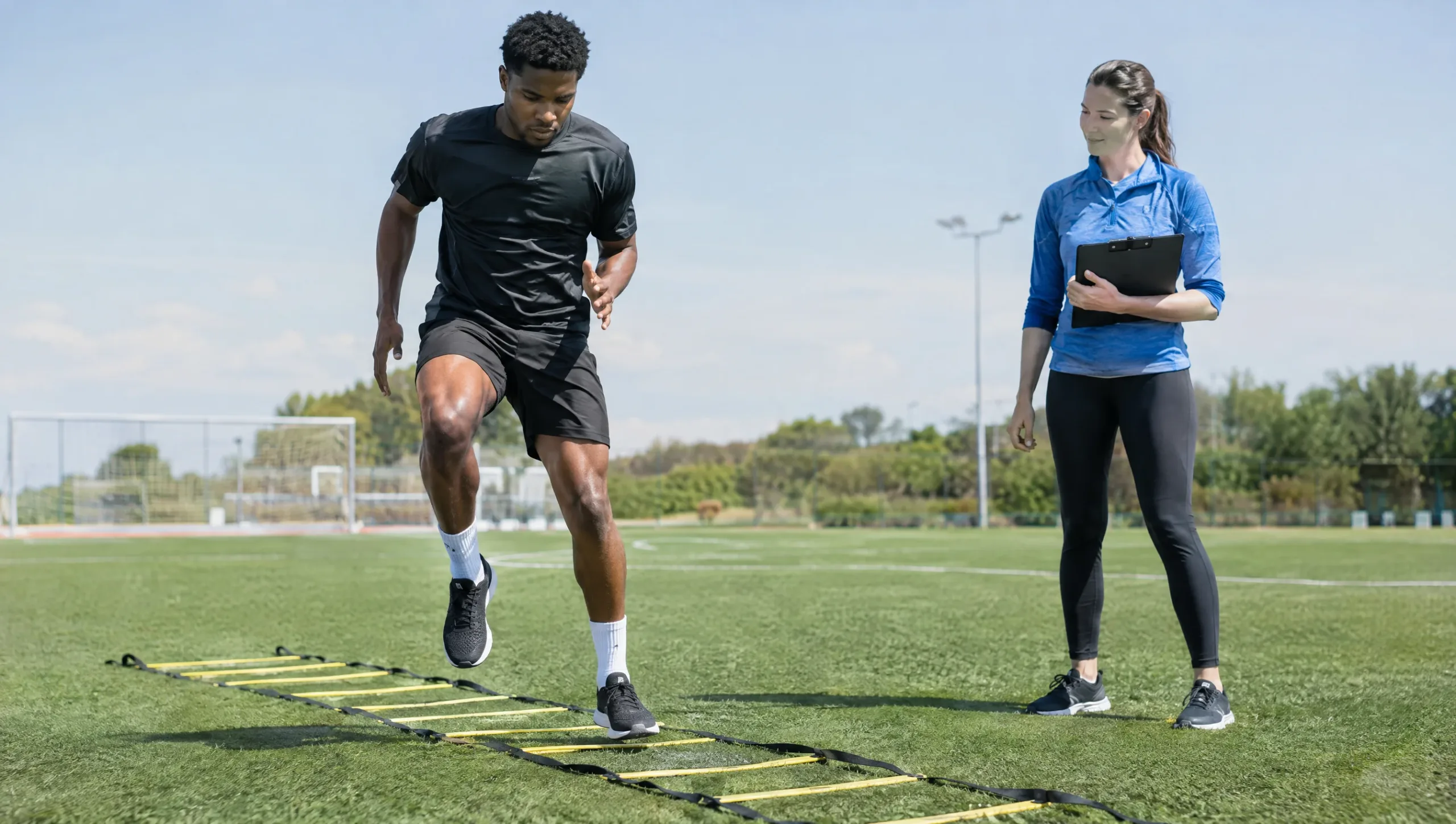
This is the question nearly every patient asks, and the honest answer is: when you pass objective testing, not when a certain number of months have elapsed. Time since surgery is a poor predictor on its own. The benchmarks that matter include quadriceps and hamstring strength symmetry, hop-test performance compared to the uninjured leg, and confidence (not hesitation or compensation) during sport-specific movements.
Returning too early is the single largest modifiable risk factor for a second ACL tear, and second injuries tend to carry worse long-term outcomes than the first. If you’re an athlete in Rawalpindi or Islamabad weighing a return-to-sport decision, this is exactly the kind of assessment we run patients through at our clinic rather than relying on a generic timeline.
Physical readiness is only part of the picture. Many athletes pass every strength and hop test on paper but still hesitate, slow down, or subtly favour the operated leg during real match play — a pattern often linked to fear of re-injury rather than any remaining physical deficit. Psychological readiness tools, such as the ACL-Return to Sport after Injury (ACL-RSI) questionnaire, are increasingly used alongside strength and hop testing for exactly this reason. A physiotherapist who only checks strength numbers and ignores this hesitation is missing half of what predicts a successful return.
Preventing Re-Injury After ACL Reconstruction

Prevention doesn’t end when rehab “finishes.” Athletes who’ve had one ACL reconstruction are at meaningfully higher risk of injuring either knee again, which makes ongoing neuromuscular training valuable well beyond the first year. If you’re returning to a cutting or jumping sport, it’s worth reading our guide on prehabilitation for athletes, which covers how structured pre-season strength and movement work reduces injury risk in the first place — the same principles apply to protecting a reconstructed knee long-term.
If you’re still deciding between surgical and non-surgical management for a knee or joint injury, our guide to physiotherapy vs surgery for joint pain breaks down how that decision gets made and what evidence supports each path.
Getting ACL Physiotherapy Rehab in Rawalpindi
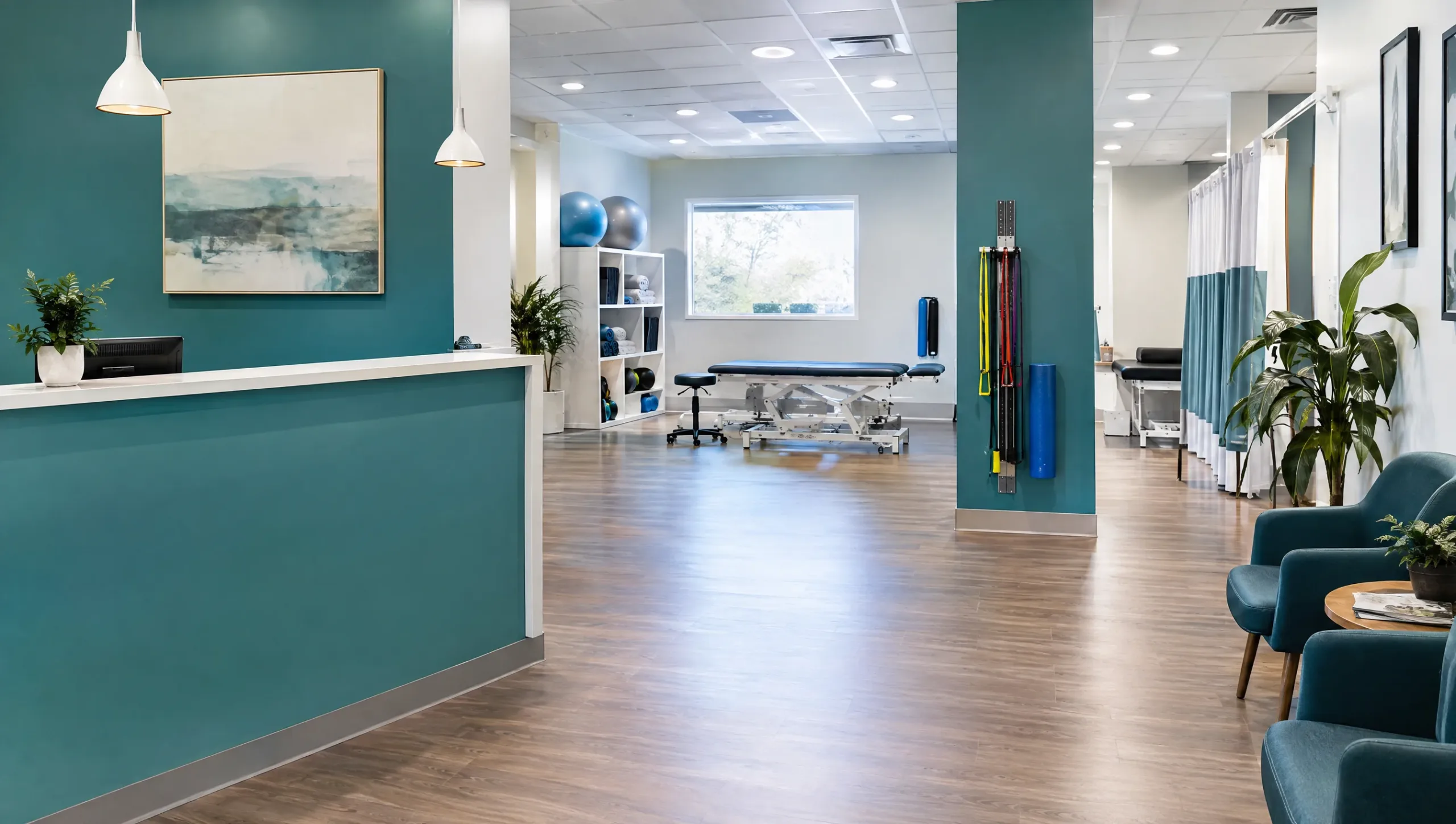
ACL rehab is a long process, and consistency matters more than any single clever exercise. At Physio Rehab Solution in Rawalpindi, Dr. Iqra Kiran and our physiotherapy team build individualised, test-driven ACL rehab programs rather than generic month-by-month handouts, adjusting the plan as your knee’s strength, swelling, and confidence actually progress. This matters whether you’re a weekend footballer, a competitive athlete, or simply someone who wants to walk, squat, and climb stairs without worrying about your knee again.
Most patients in a structured ACL program attend physiotherapy two to three times per week in the early and middle phases, tapering to once-weekly check-ins as independence and confidence increase through the later, sport-specific stages. Exact frequency depends on your surgeon’s protocol, your graft type, and how your knee responds week to week, which is why we reassess the plan regularly rather than handing out a fixed schedule on day one.
This article is for general education and isn’t a substitute for an individual assessment — if you’ve had ACL surgery or suspect an ACL injury, please book an in-person evaluation so your rehab plan can be matched to your specific knee, graft type, and goals. You can also browse our frequently asked questions or our expert physiotherapy FAQ page for more general guidance on what to expect from treatment at our clinic.
Frequently Asked Questions About ACL Surgery Rehab
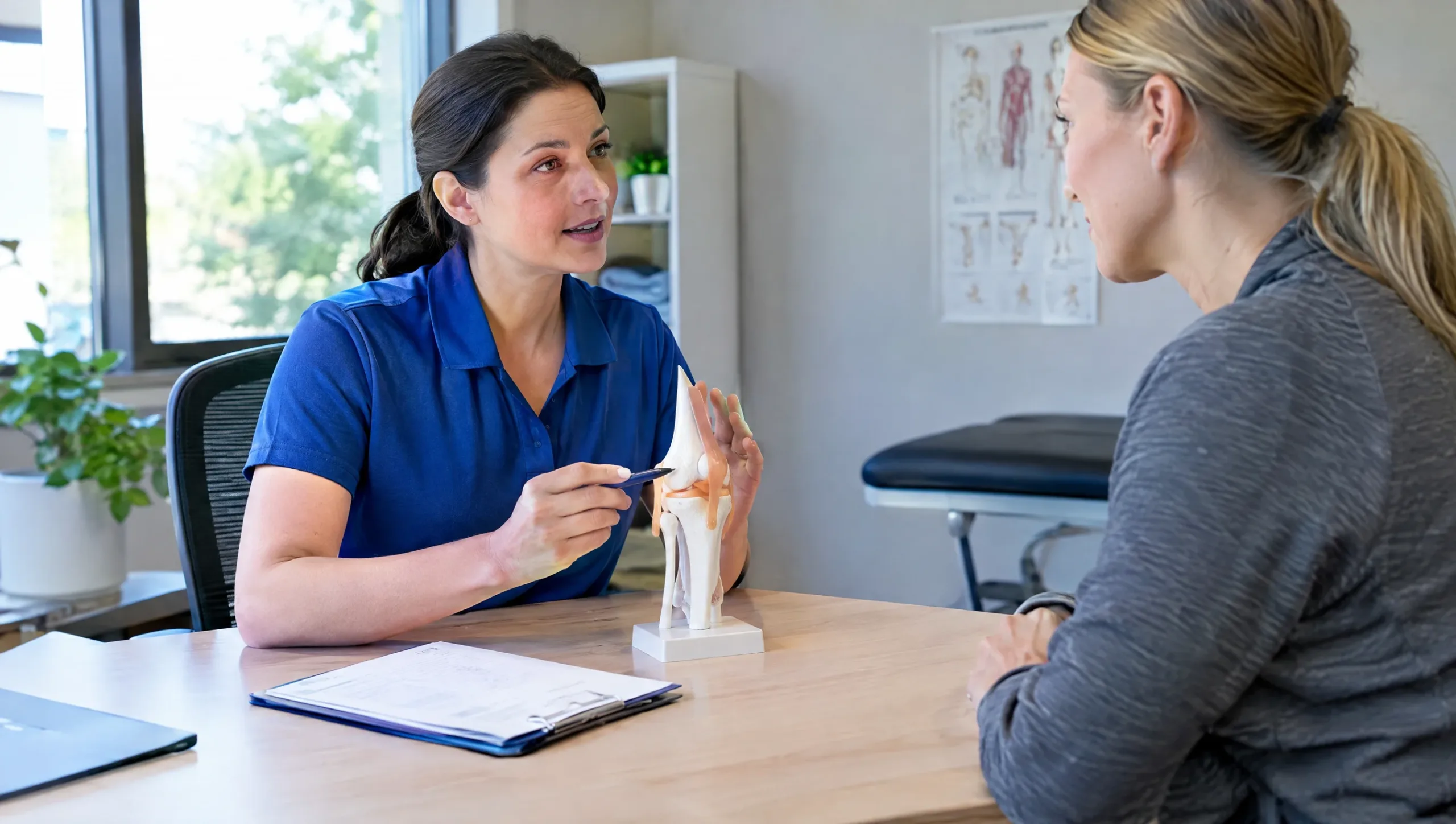
How soon after ACL surgery should physiotherapy start?
Most protocols begin gentle physiotherapy within the first few days after surgery, focusing on swelling control and regaining knee extension. Early, guided movement (not rest alone) is generally associated with better outcomes, but always follow your specific surgeon’s post-op instructions on timing.
Can you fully recover from an ACL tear without surgery?
Some patients, particularly those with lower activity demands or certain injury patterns, do well with a structured non-surgical physiotherapy program that builds strength and stability around the knee. Others, especially athletes returning to cutting and pivoting sports, generally need reconstruction for long-term knee stability. This decision should be made with both your surgeon and physiotherapist based on your activity level, knee stability, and goals.
Why does my knee still feel unstable months after ACL surgery?
Persistent instability well into rehab is usually a sign that strength symmetry or neuromuscular control hasn’t yet reached target levels, rather than a sign the graft has failed. It’s worth having your physiotherapist reassess your strength ratios and movement control rather than assuming the surgery didn’t work.
Is it normal for the knee to swell again during later-stage ACL rehab?
Mild swelling after a harder strength or agility session is common and usually resolves within a day with rest and ice. Swelling that is significant, persistent, or paired with increased pain or reduced range of motion should be checked by your physiotherapist, since it may mean a stage of rehab was progressed too quickly.
Ready to start or restart your ACL rehab the right way? Physio Rehab Solution is based in Rawalpindi and works with patients recovering from ACL surgery at every stage of the journey. Book an in-person assessment with our team by calling +92 321 4287773, and we’ll build a rehab plan matched to your knee, your graft, and your goals.