

If your feet have started feeling numb, tingly, or oddly “asleep” and you live with diabetes, you are not imagining it, and you are not alone. Physiotherapy for Diabetic neuropathy is one of the most underused tools for managing this nerve damage — it will not reverse nerve injury that has already occurred, but it can meaningfully reduce fall risk, calm certain types of nerve pain, protect your feet from injury, and keep you moving safely for years longer than most people expect. This guide explains what diabetic peripheral neuropathy is, how physiotherapy fits into managing it, and what a real treatment plan looks like for patients in Rawalpindi and Islamabad.
What Is Diabetic Peripheral Neuropathy and Why Does It Happen?
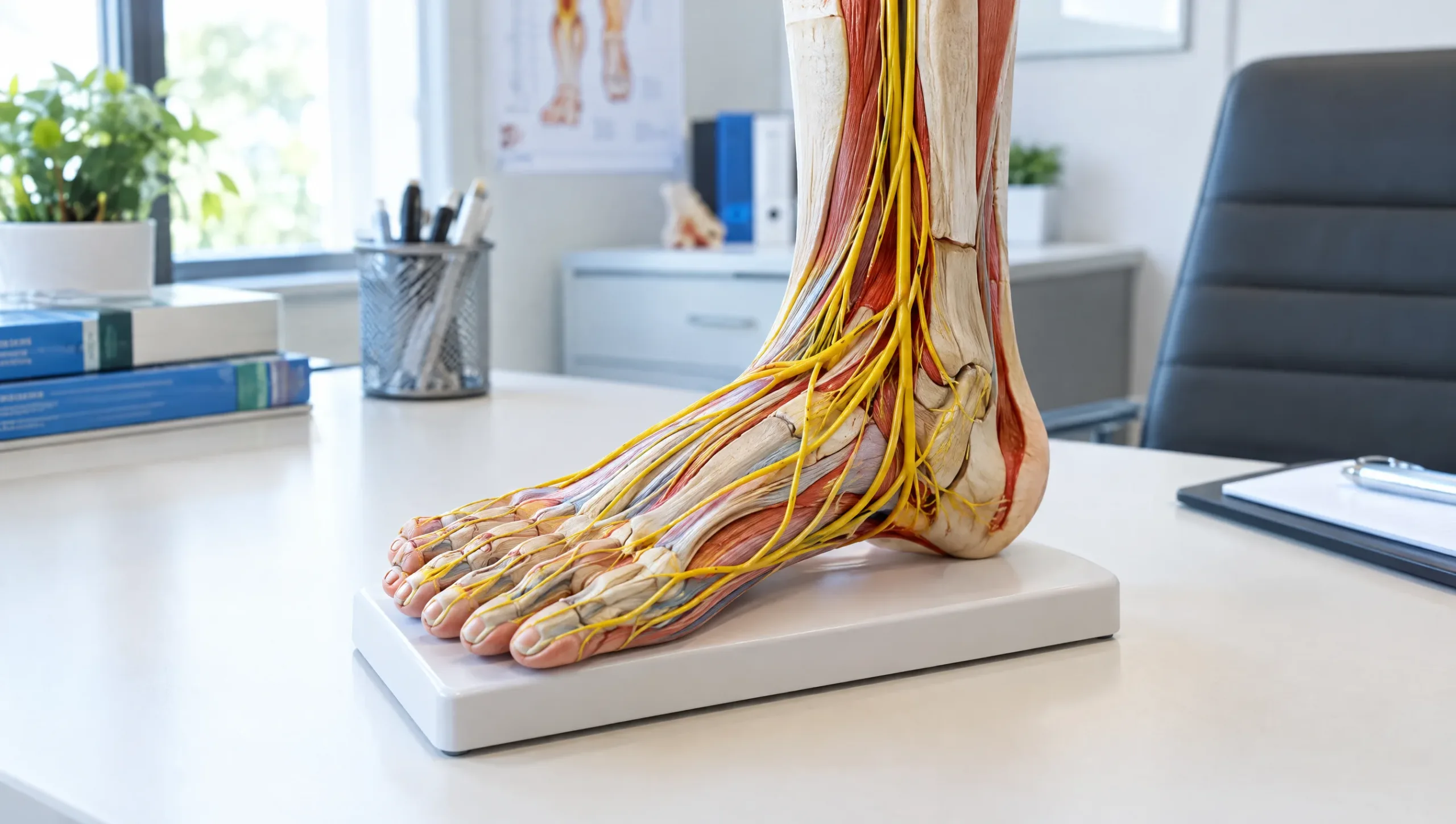
Table of Contents
- What Is Diabetic Peripheral Neuropathy and Why Does It Happen?
- Recognizing the Warning Signs in Your Feet and Legs
- Can Physiotherapy for Diabetic Neuropathy Actually Help?
- Balance and Fall-Prevention Training for Neuropathy Patients
- Desensitization and Nerve Gliding Techniques
- Foot Care, Footwear, and Skin Protection During Physiotherapy
- Exercise and Blood Sugar: Why Movement Matters Beyond the Feet
- What to Expect From a Diabetic Neuropathy Physiotherapy Program in Rawalpindi
- Frequently Asked Questions
Diabetic peripheral neuropathy is nerve damage caused by prolonged high blood sugar levels, which gradually injure the small blood vessels that supply the nerves — most commonly affecting the longest nerves in the body first, which is why symptoms almost always start in the feet and sometimes the hands.
It typically develops slowly over years, and the degree of damage is closely linked to how long someone has had diabetes and how well blood sugar has been controlled over that time, though genetics and other factors play a role too. Once nerve fibers are damaged, the body’s ability to sense light touch, temperature, and the position of the foot in space is reduced, which is where many of the real-world risks of this condition come from.
There are actually several types of diabetic neuropathy, and peripheral neuropathy (affecting the feet, legs, and sometimes hands) is only the most common. Autonomic neuropathy can affect blood pressure regulation, digestion, and bladder function; proximal neuropathy can cause weakness and pain in the thighs and hips; and focal neuropathy can affect a single nerve, often causing sudden weakness or pain in one specific area. Physiotherapy’s role differs depending on which type is present, which is another reason a proper assessment matters more than guessing from symptoms alone.
Recognizing the Warning Signs in Your Feet and Legs

Diabetic neuropathy often announces itself gradually, which is part of why it can be dangerous — people adapt to it without realizing how much sensation they have lost. Common early signs include a tingling or “pins and needles” feeling in the toes, numbness that spreads from the toes toward the ankle, a burning or electric-shock type pain that is often worse at night, increased sensitivity to light touch (even bedsheets can feel uncomfortable), and a noticeable change in balance or an increased tendency to trip.
Why Numbness Is More Dangerous Than Pain
Counterintuitively, numbness is often the more dangerous symptom than pain. A patient who cannot feel a stone in their shoe, a blister forming, or a cut on the sole of the foot may not notice an injury until it has become infected — which is why foot checks are such a central part of diabetic care, not an afterthought.
If you notice any wound, blister, area of redness, warmth, or swelling on your foot that is not healing, or any sign of infection, this needs prompt medical attention rather than home care — diabetic foot complications can progress quickly and are not something to monitor and wait on.
A useful habit many clinics teach is the “sock test”: if you take off a sock at the end of the day and notice a mark, indentation, or discoloration that does not fade within a few minutes, it may mean footwear is applying pressure you cannot feel. Combined with a daily visual foot check, this kind of simple home screening catches far more problems early than waiting for pain, since pain is often the symptom that is missing in advanced neuropathy.
Can Physiotherapy for Diabetic Neuropathy Actually Help?

Here is the honest picture: physiotherapy cannot regenerate nerves that have already been significantly damaged, and no exercise program replaces proper medical management of blood sugar. What a well-structured diabetic neuropathy physiotherapy program can realistically do is:
- Improve balance and reduce fall risk, which matters enormously since reduced foot sensation is one of the biggest predictable causes of falls in people with diabetes
- Maintain and improve strength in the legs and feet, which helps compensate for reduced sensory feedback
- Reduce certain types of neuropathic pain through targeted manual therapy, graded exercise, and nerve gliding techniques
- Improve circulation in the lower limbs through supervised movement, which can support (though not replace) overall vascular health
- Teach safe movement patterns and protective foot habits that reduce the risk of unnoticed injury
- Support confidence and independence, since fear of falling often causes people to reduce activity, which then makes balance and strength worse over time — a cycle physiotherapy specifically aims to break
The evidence is strongest for balance-specific and sensorimotor training programs rather than generic lower-body exercise, which is why a neuropathy assessment should always look specifically at balance, sensation, and gait before building a program.
Balance and Fall-Prevention Training for Neuropathy Patients

Because diabetic neuropathy reduces the feedback your brain gets from your feet, balance training has to specifically retrain the body to rely more on vision and inner-ear balance systems to compensate for that lost sensation.
Static and Dynamic Balance Drills
Programs typically progress from simple standing balance exercises with support, to unsupported standing, to dynamic movements like controlled weight shifting and safe stepping drills — always progressed at a pace that matches the individual’s actual fall risk rather than a generic timeline.
Gait Retraining
Many patients with neuropathy unconsciously develop a slightly unsteady or “foot-slapping” walking pattern to compensate for reduced sensation. Gait retraining helps correct these compensations where possible and, where they cannot be fully corrected, helps the patient walk with that pattern more safely and efficiently.
A home fall-prevention assessment — looking at loose rugs, poor lighting, and bathroom safety — is often just as important as the exercises themselves, since most falls happen at home.
Desensitization and Nerve Gliding Techniques

For patients whose main complaint is burning or electric nerve pain rather than numbness, physiotherapy has specific tools aimed at the nervous system itself rather than just the muscles around it.
Nerve gliding exercises involve gentle, specific movements that encourage the nerve to move smoothly within its surrounding tissue, which can reduce irritation in some patients with nerve compression contributing to their symptoms. Desensitization techniques use graded exposure to different textures and sensations on the skin to help calm an oversensitive nervous system, which is particularly useful for patients who find even light touch painful. These techniques are not appropriate for every patient and should be introduced and monitored by a physiotherapist experienced with neuropathic pain, since the wrong technique applied to the wrong presentation can aggravate symptoms.
Foot Care, Footwear, and Skin Protection During Physiotherapy
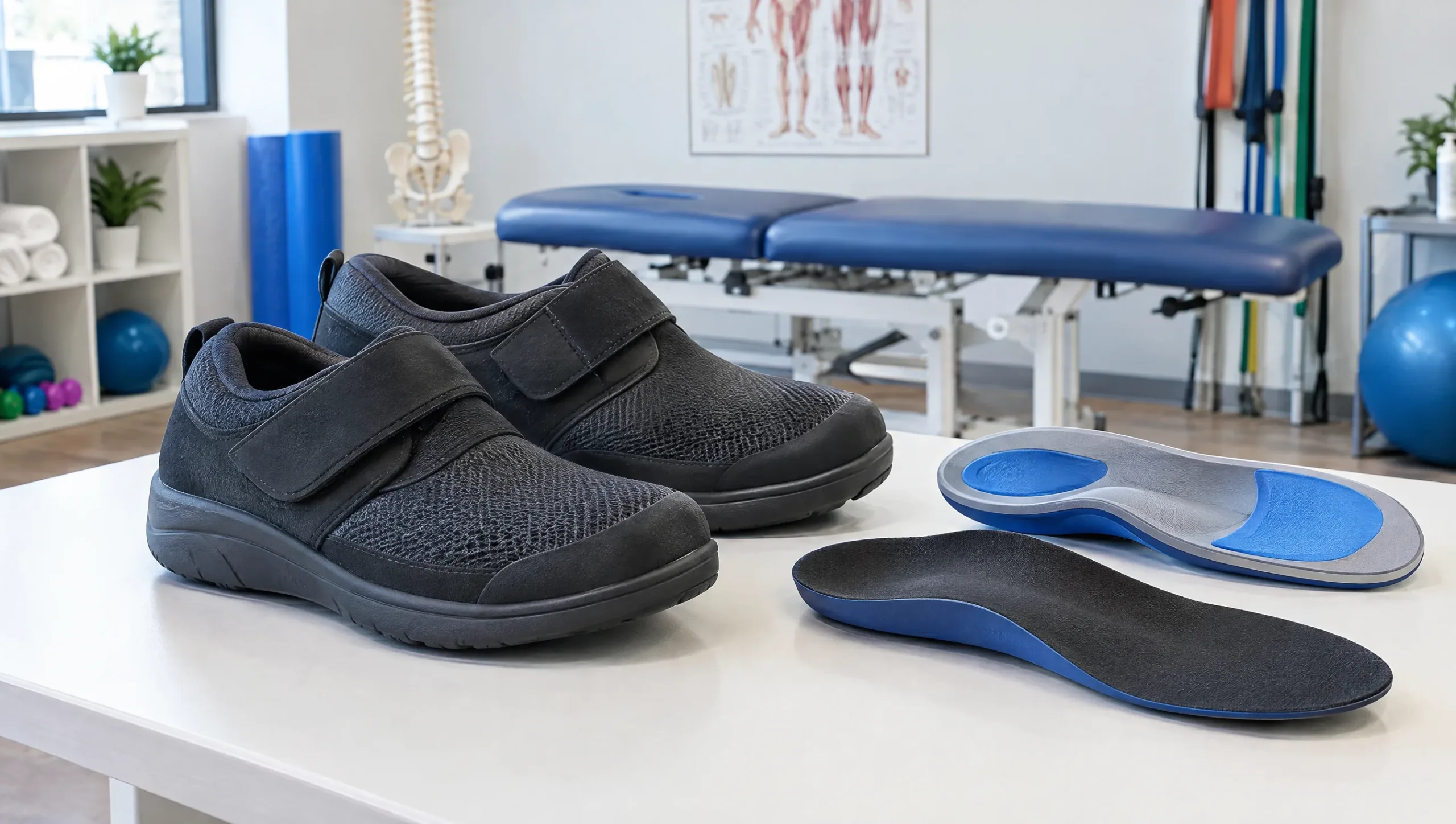
Any physiotherapy program for diabetic neuropathy has to be built around protecting the feet, not just training them. This typically includes a daily foot-checking habit — visually inspecting the soles and between the toes for cuts, blisters, or discoloration, since these may not be felt — plus guidance on well-fitted, protective footwear that reduces pressure points and friction.
Physiotherapists also commonly screen for areas of abnormal pressure during walking, since repeated pressure on an insensate area of the foot is one of the most common pathways to a diabetic foot ulcer. Simple changes like custom insoles, different lacing techniques, or activity modification can meaningfully reduce this risk, and are often coordinated with a podiatrist or your treating physician when needed.
Exercise and Blood Sugar: Why Movement Matters Beyond the Feet

Supervised, appropriate exercise has a well-established role in improving insulin sensitivity and supporting blood sugar control, which is directly relevant to slowing further nerve damage, since better glucose control is the single most important factor in preventing neuropathy from worsening.
For patients with reduced foot sensation, exercise selection matters: high-impact activities that repeatedly stress an insensate foot are generally avoided in favor of lower-impact options like stationary cycling, swimming, or supervised treadmill walking with appropriate footwear. A physiotherapist can help build an exercise routine that supports general metabolic health without putting the feet at unnecessary risk — a balance that is easy to get wrong without guidance.
Consistency tends to matter more than intensity here. Short, regular sessions of appropriate movement spread across the week generally produce better blood sugar outcomes and better adherence than occasional long, intense workouts, particularly for patients who are also managing fatigue or other diabetes-related symptoms. This is also why a realistic, sustainable plan built around a patient’s actual daily routine tends to outperform an ambitious plan that gets abandoned after two weeks.
What to Expect From a Diabetic Neuropathy Physiotherapy Program in Rawalpindi

At Physio Rehab Solution, an assessment for diabetic neuropathy typically starts with a detailed history of diabetes duration and control, a sensory testing screen (checking light touch, vibration, and temperature sensation in the feet), a balance and gait assessment, and a visual foot check — coordinating with your physician or a podiatrist if any wound, ulcer, or significant foot deformity is found, since those require medical management alongside physiotherapy, not instead of it.
From there, a plan is built combining balance and fall-prevention training, targeted strengthening, nerve-specific techniques where appropriate, and practical foot-protection education, with sessions scheduled consistently enough to build real improvements in stability and confidence. We are always transparent that this is a management and risk-reduction program, not a reversal of nerve damage, because setting that expectation correctly from day one leads to much better long-term outcomes and adherence.
For more on what a first visit and ongoing sessions typically involve, our physiotherapy FAQ page covers general questions about the process, and our guide to physiotherapy session costs is useful for patients planning a longer-term care plan, since diabetic neuropathy management is typically an ongoing rather than one-time process, not a short course of a few visits.
Frequently Asked Questions
Can physiotherapy reverse diabetic nerve damage?
No — physiotherapy cannot regenerate nerves that have already been significantly damaged. What it can do is improve balance, reduce fall risk, manage certain types of nerve pain, and protect the feet from injury, which together meaningfully improve quality of life and safety even though the underlying nerve damage remains.
Is it safe to exercise if I have numbness in my feet?
Yes, with the right precautions. Exercise is encouraged and genuinely helpful for blood sugar control and overall health, but the type of exercise matters — lower-impact options are generally preferred over high-impact activities that repeatedly stress a foot that cannot fully feel pain or pressure, and footwear and foot checks become even more important.
How often should I check my feet if I have diabetic neuropathy?
A daily visual check is the standard recommendation, ideally at the same time each day, such as before bed. Because reduced sensation means you may not feel an injury, looking is the only reliable way to catch a problem — a cut, blister, or area of redness — early enough to treat it before it becomes serious.
Will balance training actually reduce my risk of falling?
Yes, when it is specific to your actual balance deficits rather than generic exercise. Structured balance and fall-prevention training is one of the most evidence-supported physiotherapy interventions for people with diabetic neuropathy, specifically because it retrains the body to compensate for the sensory input the feet can no longer reliably provide.
If you are living with diabetes and have noticed numbness, tingling, burning pain, or balance changes in your feet or legs, the safest next step is a proper in-person assessment rather than waiting to see if it improves on its own. Dr. Iqra Kiran, DPT, and the team at Physio Rehab Solution in Rawalpindi can assess your sensation, balance, and gait, coordinate with your physician where needed, and build a diabetic neuropathy physiotherapy plan suited to your specific risk level. Call +923214287773 to book an appointment, or visit our homepage to learn more about our services for patients managing diabetes-related complications in Rawalpindi and Islamabad.