If you’ve been told that dry needling physiotherapy could help your stubborn muscle pain, you’re probably wondering what the needles actually do, whether the treatment hurts, and if it’s really worth trying. Dry needling physiotherapy is a technique physiotherapists use to release tight, overactive muscle knots called trigger points, often combined with manual therapy and exercise for faster, longer-lasting relief. At Physio Rehab Solution in Rawalpindi, we use dry needling physiotherapy as part of a broader treatment plan for patients with chronic muscle tightness, sports injuries, and nerve-related pain. This guide explains how the technique works, what a session feels like, which conditions respond best, and how it differs from acupuncture, so you can decide, together with your physiotherapist, whether it’s right for you.
Table of Contents
- What Is Dry Needling Physiotherapy?
- How Does Dry Needling Work?
- Does Dry Needling Hurt?
- Conditions Dry Needling Physiotherapy Can Treat
- Dry Needling vs Acupuncture: What’s the Difference?
- What to Expect Before, During, and After Your Session
- Benefits and Safety Considerations of Dry Needling
- Frequently Asked Questions About Dry Needling
What Is Dry Needling Physiotherapy?

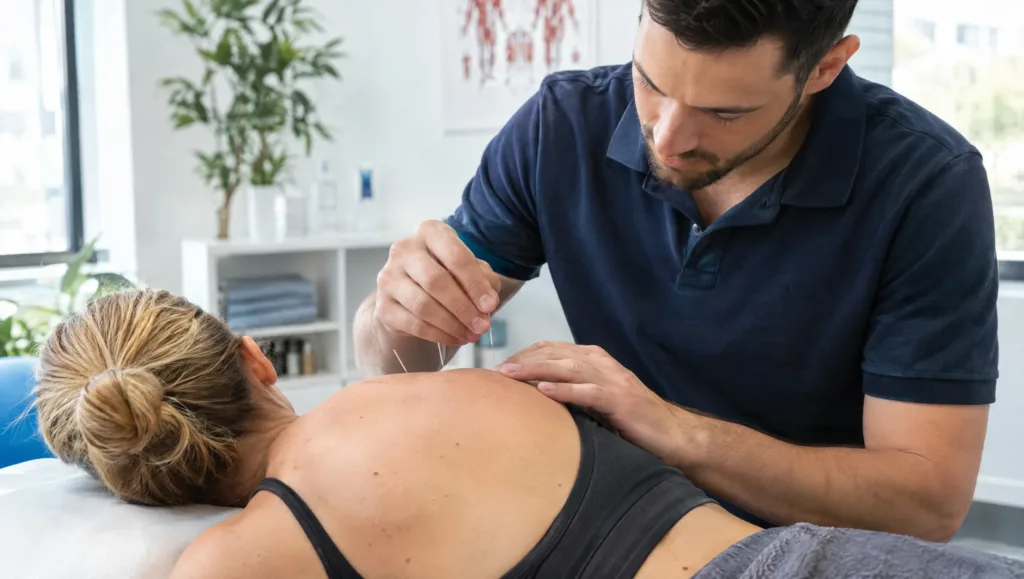
Dry needling physiotherapy is a treatment technique in which a physiotherapist inserts thin, sterile, filiform needles directly into myofascial trigger points, tight bands of muscle tissue that feel like small, tender knots under the skin. These trigger points can cause localized pain, stiffness, and sometimes refer pain to nearby areas, such as a tight upper trapezius muscle causing headaches.
The technique is called “dry” needling because, unlike an injection, no fluid or medication is delivered through the needle. It is rooted in Western anatomy and neurophysiology rather than traditional Chinese medicine, even though the needles themselves look similar to acupuncture needles.
In most physiotherapy clinics, dry needling is never used as a stand-alone cure. It is one tool within a broader rehabilitation plan that also includes manual therapy, targeted exercise, and posture or movement correction, which is exactly how we use it at Physio Rehab Solution.
How Does Dry Needling Work?

When a muscle is overused, injured, or held in poor posture for long periods, small areas within it can develop a sustained, low-grade contraction. This reduces local blood flow, irritates nearby nerve endings, and creates the tender “knot” we feel as a trigger point.
When the needle enters an active trigger point, it often triggers a brief, involuntary muscle twitch called a local twitch response. This reflex appears to interrupt the dysfunctional contraction cycle, improve local blood flow, and change the chemical environment around the nerve endings that were driving the pain signal.
Dry needling works best as part of a complete plan. Your physiotherapist typically follows it with stretching, strengthening, and movement retraining so the muscle doesn’t simply tighten back up once the needling effect fades.
There’s also a nervous-system component to the effect. Researchers believe that stimulating a trigger point can influence pain processing at the level of the spinal cord and brain, not just the local muscle fibre, which may be part of why patients sometimes feel relief in a wider area than the exact point that was needled. This is sometimes called a “central” effect, as opposed to the purely local, mechanical changes happening right at the trigger point itself.
In practice, this means your physiotherapist may needle a point that isn’t exactly where you feel your pain. A trigger point in the upper trapezius, for example, can refer pain up into the head, so treating the trapezius can ease a tension headache even though the needle never touches your scalp.
Does Dry Needling Hurt?

Most patients are surprised by how little the needle insertion itself hurts. The needles used in dry needling physiotherapy are extremely thin, much finer than the needles used for injections or blood draws, so entering the skin is usually barely noticeable.
What you may feel is the local twitch response described above, often described as a brief, deep cramp, ache, or “zing” that lasts only a second or two. Some muscles are more reactive than others, and a tight, irritated trigger point will usually produce a stronger response than a calmer one.
It’s common to feel mild soreness in the treated muscle for 24 to 48 hours afterward, similar to how a muscle feels after an intense workout. This is a normal part of the healing response, not a sign that something went wrong.
Pain tolerance and sensitivity vary from person to person. A good physiotherapist will check in with you throughout the session, adjust the needling depth or technique, and stop if a particular point feels like too much.
Conditions Dry Needling Physiotherapy Can Treat

Dry needling is most often used for muscular and myofascial pain rather than joint or bone conditions. Common uses include:
Neck and upper back tension — tight trapezius, levator scapulae, and rhomboid muscles that contribute to stiffness and tension-type headaches.
Low back pain — trigger points in the lumbar paraspinal muscles and glutes that mimic or worsen sciatica-type leg pain.
Shoulder pain — rotator cuff and upper back trigger points that limit overhead movement, often alongside shoulder impingement.
Tennis elbow and golfer’s elbow — forearm muscle tightness contributing to pain at the elbow.
Plantar fasciitis and calf tightness — trigger points in the calf and foot muscles that increase strain on the plantar fascia. If heel pain is your main concern, our complete plantar fasciitis physiotherapy guide covers this in more depth.
Sports injuries and muscle tightness — helping athletes recover range of motion and reduce guarding after strains.
If your pain doesn’t fit neatly into one of these categories, our physiotherapists can assess you and tell you honestly whether dry needling is likely to help, or whether a different approach would serve you better.
Good candidates for dry needling physiotherapy are usually people with a clear, localized area of muscle tightness or a diagnosed myofascial component to their pain, who have already tried rest, stretching, or basic exercise without full relief. It tends to be less useful for pain that is purely from joint arthritis, nerve compression without a muscular component, or fractures, which is exactly why a proper assessment matters before jumping into treatment.
Dry Needling vs Acupuncture: What’s the Difference?
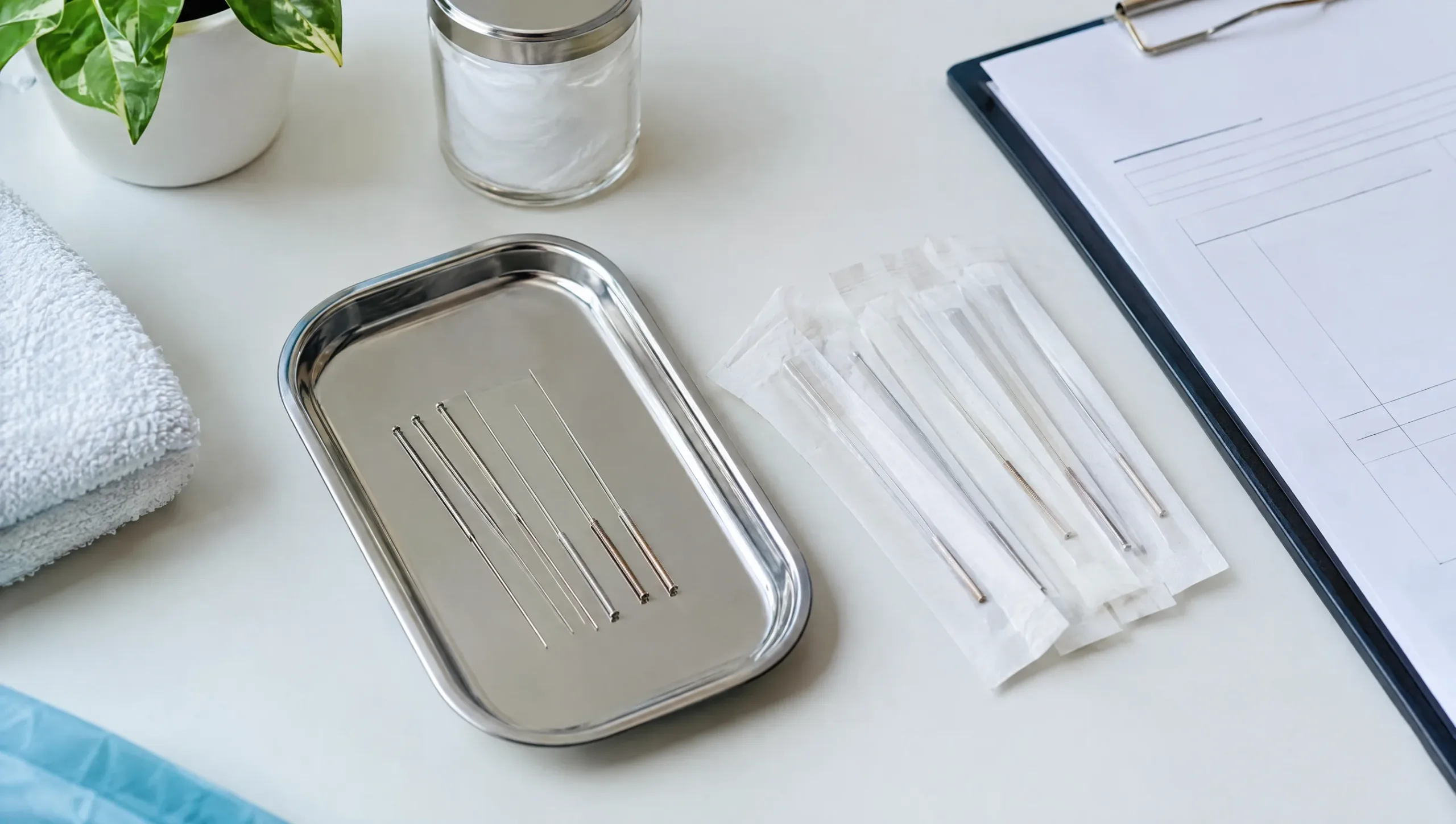
Because both techniques use thin, solid needles, people often assume dry needling and acupuncture are the same thing. The tools look similar, but the reasoning behind where the needles go is completely different.
Acupuncture comes from traditional Chinese medicine. Needle placement follows meridians and energy points, and the stated goal is usually broader, such as restoring overall energy balance or wellness.
Dry needling is grounded in Western musculoskeletal anatomy. A physiotherapist identifies specific trigger points through hands-on assessment and movement testing, then needles those exact muscular locations to address a diagnosed physical problem.
In short, acupuncture is typically a stand-alone wellness practice, while dry needling physiotherapy is a targeted clinical tool used alongside exercise and manual therapy to treat a specific musculoskeletal diagnosis.
Training also differs. Physiotherapists who perform dry needling complete specific postgraduate training in musculoskeletal anatomy, trigger point identification, and needling safety on top of their physiotherapy degree, so the skill sits inside a broader framework of movement assessment and rehabilitation rather than being taught as a stand-alone discipline.
What to Expect Before, During, and After Your Session
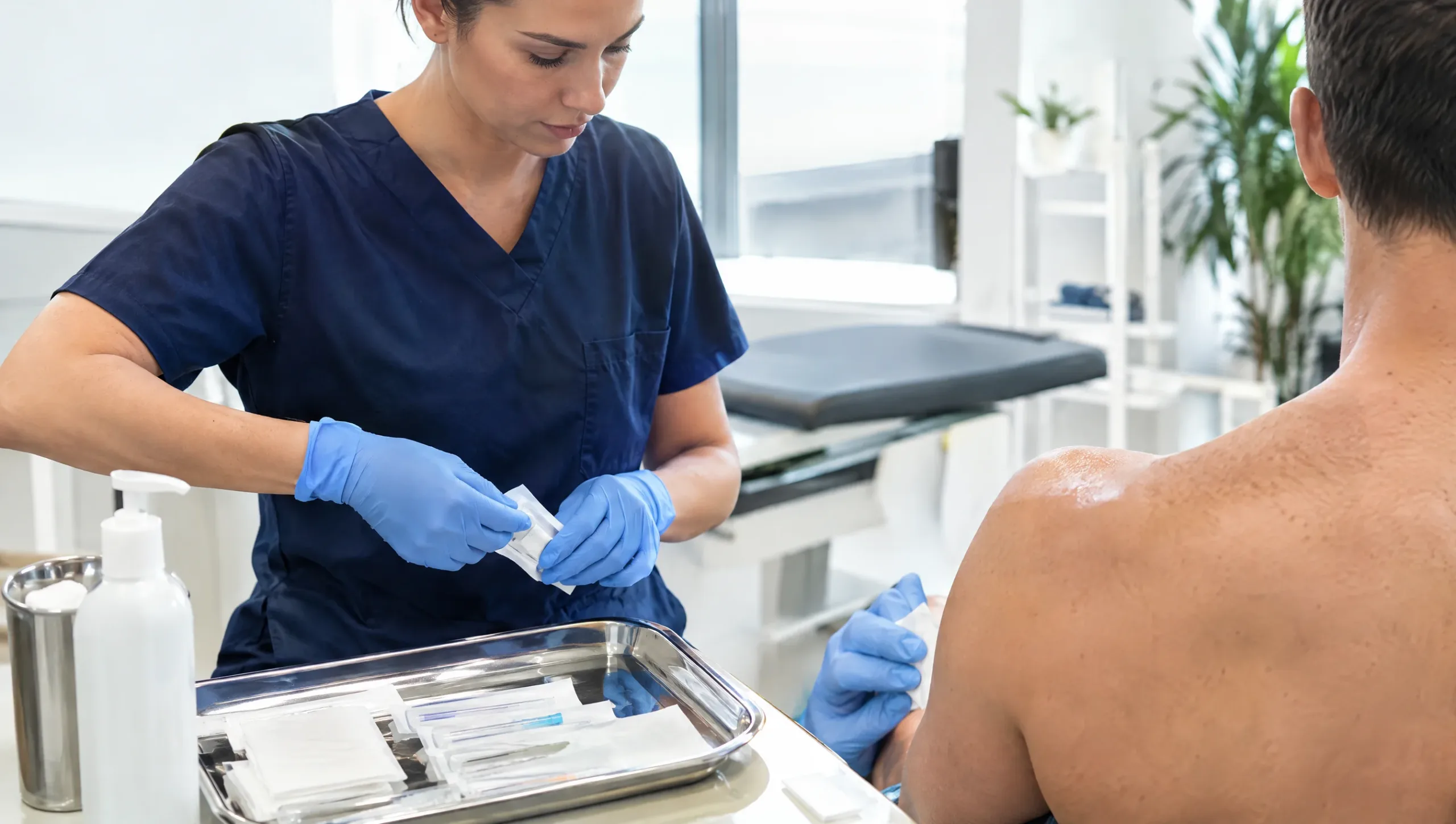
Before: your physiotherapist takes a history and performs a hands-on assessment, feeling for taut bands and tender trigger points and testing your movement, to confirm dry needling is appropriate for your specific pain pattern.
During: the treatment area is cleaned, and single-use sterile needles are inserted into the identified trigger points. A session usually targets a small number of muscles, and most patients tolerate it well while lying or sitting comfortably.
After: you may be given gentle stretches, advised to stay hydrated, and told to expect mild soreness for a day or two. Ice or heat can help if the area feels tender. Dry needling is frequently combined with other physiotherapy techniques in the very same visit for a more complete effect.
Most treatment plans space sessions roughly a week apart in the early stages, giving the muscle time to respond while still maintaining momentum, then space them out further as your symptoms improve. A typical course for a straightforward muscular complaint runs somewhere between three and six sessions, though some patients need fewer and others, especially those with long-standing chronic tightness, need a longer course alongside strengthening work.
Benefits and Safety Considerations of Dry Needling

When used appropriately, dry needling physiotherapy offers several real benefits: faster reduction in muscle tightness, improved range of motion, reduced referred pain, and a lower reliance on pain medication because the approach treats the muscular source of pain directly rather than just masking it. For many patients, this translates into getting back to work, sport, or daily routines noticeably sooner than with rest alone.
Dry needling is generally considered safe when performed by a trained, licensed physiotherapist using sterile, single-use needles. That said, it isn’t right for everyone. Your physiotherapist will usually avoid or modify treatment if you have a significant needle phobia, an active skin infection or open wound at the site, a bleeding disorder or are on strong blood thinners, lymphedema in the area, or are in certain stages of pregnancy where specific points are avoided as a precaution.
Because persistent muscle tightness or trigger points can sometimes be a sign of an underlying issue that needs a closer look, we always recommend a proper in-person assessment before starting dry needling, rather than self-diagnosing from an article like this one. For a broader clinical overview of the technique, the Cleveland Clinic’s guide to dry needling is a useful, independent reference.
It’s also worth being realistic about the evidence. Current research generally supports dry needling as a helpful short-to-medium-term tool for reducing myofascial pain and improving mobility, especially when combined with exercise, but it is not a guaranteed fix for every type of pain and results vary between individuals. A physiotherapist who is honest with you about what dry needling can and can’t do for your specific case is more valuable than one who presents it as a cure-all.
Frequently Asked Questions About Dry Needling

How many dry needling sessions will I need?
It depends on how long you’ve had the problem and how your muscles respond. Many patients notice a change within two to four sessions, but dry needling is usually paired with exercise-based physiotherapy for a lasting result rather than used as a single quick fix.
Can I exercise after a dry needling session?
Light activity is usually fine, and gentle movement can actually help. Your physiotherapist will tell you if you should avoid intense exercise or heavy lifting for the rest of that day, since the treated muscle may feel temporarily fatigued or sore.
Is dry needling safe during pregnancy?
Some trigger points can still be treated safely during pregnancy, while others are avoided as a precaution. This is exactly the kind of decision that needs an in-person assessment with a physiotherapist who knows your full history, rather than a general answer.
Does dry needling actually work, or is it just placebo?
Research on dry needling shows encouraging short-term results for reducing myofascial pain and improving range of motion, particularly when combined with exercise, though researchers agree more high-quality studies are still needed. Most physiotherapists view it as one effective tool among several, not a miracle cure on its own.
If you’re dealing with persistent muscle tightness, recurring headaches, or pain that hasn’t responded to rest and stretching, dry needling physiotherapy may be worth discussing with a qualified physiotherapist. The team at Physio Rehab Solution in Rawalpindi can assess your specific pattern of pain and tell you honestly whether dry needling, manual therapy, or a different combination of treatments is the right fit for you. To book an in-person assessment at our Rawalpindi clinic, call us at +92 321 4287773. You can also learn more about our full range of services on our homepage, or browse common patient questions on our physiotherapy FAQ page and general FAQ.