Bringing a new baby into the world is one of the most transformative experiences in a woman’s life. It is filled with joy, emotional depth, and new responsibilities. However, what is often not openly discussed is the physical recovery journey that follows childbirth.
Many mothers expect to “bounce back” quickly after delivery, but the reality is very different. The body undergoes significant structural, hormonal, and muscular changes during pregnancy and childbirth. As a result, postpartum recovery can be challenging, painful, and emotionally overwhelming.
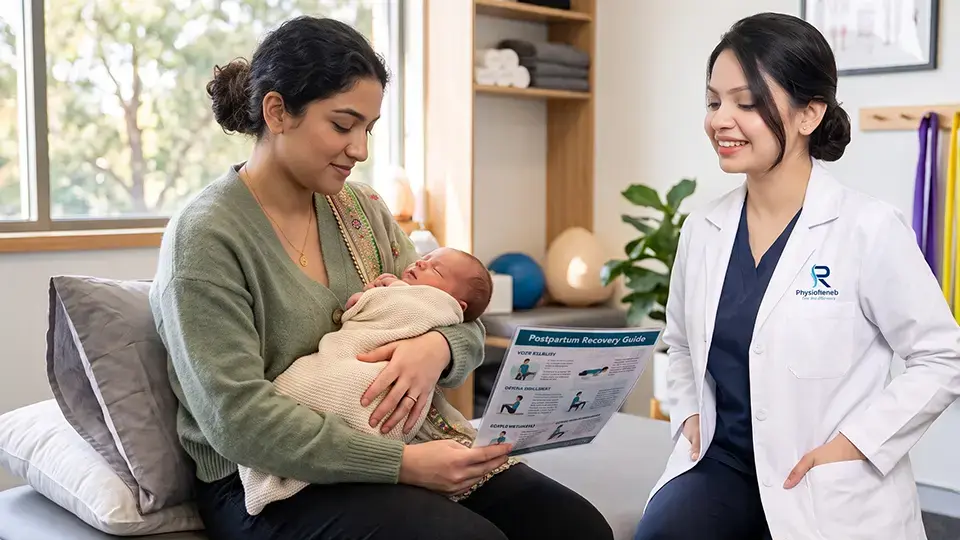
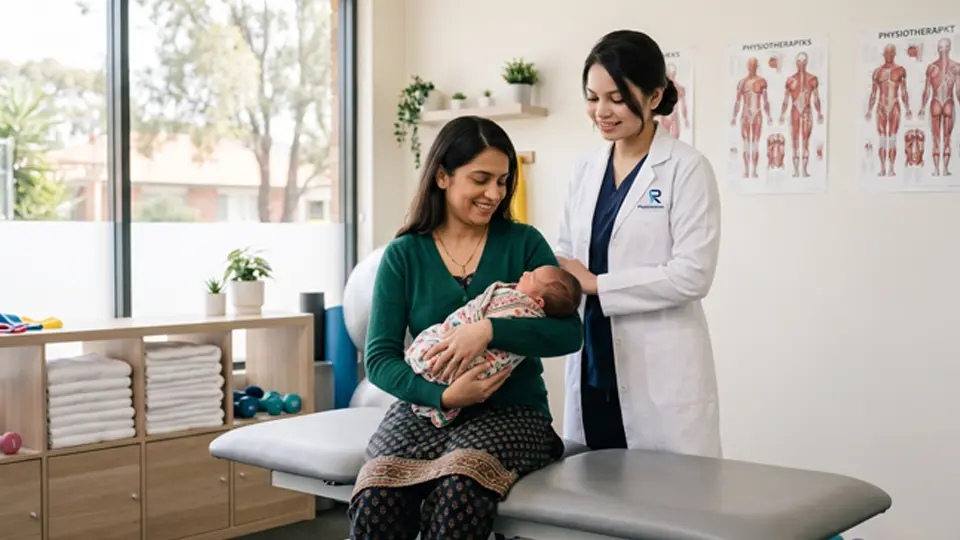
At Physio Rehab Solution, under the expert care of Dr. Iqra Kiran (Physical Therapist), we specialize in Women’s Health Physiotherapy, helping mothers recover safely, naturally, and effectively after childbirth.
This comprehensive guide will help you understand postpartum changes, common conditions, and how physiotherapy can restore your strength, confidence, and quality of life.
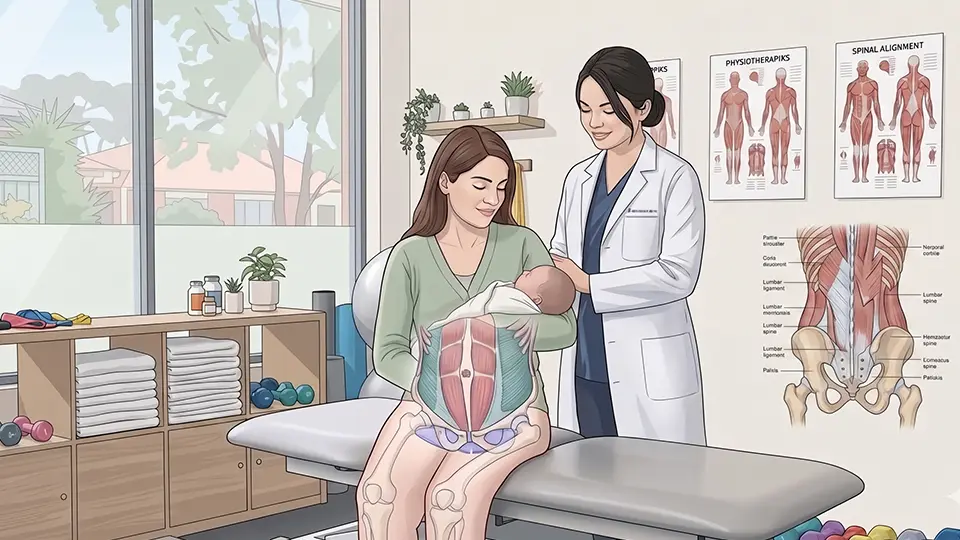
Pregnancy is a beautiful but physically demanding process. Over nine months, your body adapts to support a growing baby. These changes include:
- Hormonal shifts that loosen ligaments, especially due to relaxin, making joints more flexible but also less stable
- Stretching and separation of abdominal muscles (often leading to diastasis recti)
- Weakening and overstretching of pelvic floor muscles, which support the bladder, uterus, and bowel
- Postural changes due to weight gain and a shifting center of gravity
- Increased pressure on the spine, particularly the lower back
- Reduced core stability and overall muscular endurance
- Changes in breathing patterns as the diaphragm adapts to reduced space
After delivery, your body does not instantly return to its pre-pregnancy state. Instead, it enters a recovery phase that can last weeks, months, or even longer depending on delivery type, activity level, and overall health. During this time, the muscles, ligaments, and joints gradually regain strength and stability, but they remain vulnerable if not properly supported.
This is why many women experience:
- Lower back pain due to weakened core and postural strain
- Pelvic discomfort or heaviness caused by pelvic floor weakness
- Hip pain from joint instability and muscle imbalance
- Abdominal weakness or “core separation” feeling
- Persistent fatigue as the body heals and adjusts hormonally
- Difficulty standing, walking, or carrying the baby for long periods
- Pain or strain while lifting, feeding, or bending repeatedly
These symptoms are common—but they are not permanent and not something you must simply accept. With proper guidance, targeted exercises, and women’s health physiotherapy, the body can safely rebuild strength, restore alignment, and support a pain-free return to daily life.
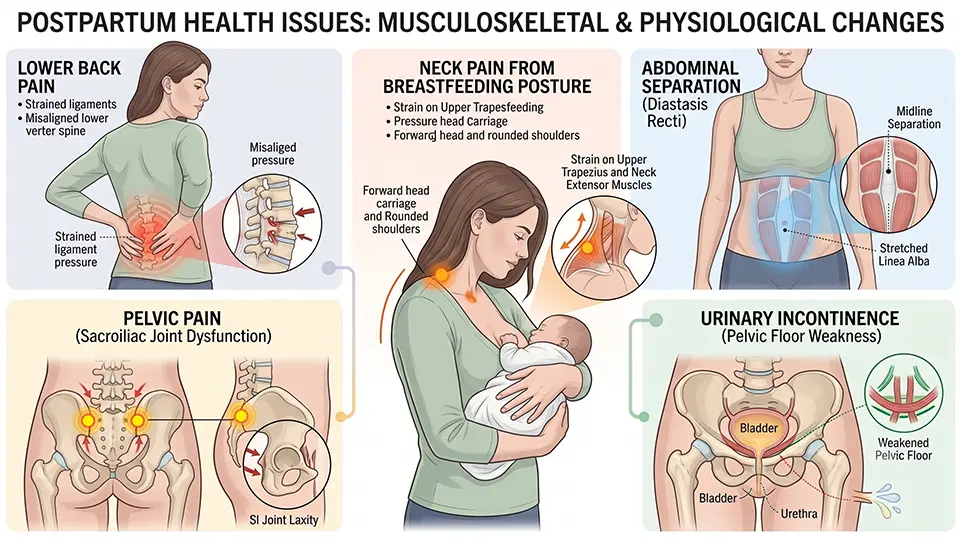 Postpartum women often experience multiple physical challenges, including:
Lower Back Pain
Lower back pain is one of the most common postpartum complaints. It usually occurs due to weakened abdominal muscles, poor posture during pregnancy, and the added strain of lifting and carrying the baby. Hormonal changes that loosen ligaments can also contribute to spinal instability and discomfort.
Pelvic Girdle Pain
Pelvic girdle pain is caused by instability or misalignment in the pelvic joints. Women may feel sharp or aching pain in the lower back, hips, or pubic area, especially while walking, climbing stairs, or standing for long periods. It can significantly limit mobility if not treated early.
Pelvic Floor Dysfunction
After childbirth, the pelvic floor muscles may become weak or overstretched, leading to reduced support for the bladder, uterus, and bowel. This can result in symptoms such as heaviness in the pelvic region, reduced control, and difficulty engaging core muscles properly.
Diastasis Recti
Diastasis recti refers to the separation of the abdominal muscles during pregnancy. This condition can cause a visible bulge in the abdomen, core weakness, poor posture, and difficulty performing everyday activities like lifting or bending.
C-Section Scar Pain
After a cesarean delivery, some women experience tightness, sensitivity, or pain around the scar area. Scar tissue can restrict movement in the abdomen and surrounding muscles, sometimes affecting posture and core activation.
Neck and Shoulder Pain
Breastfeeding, carrying the baby, and frequent bending can lead to poor posture, resulting in neck and shoulder stiffness or pain. Muscle fatigue in the upper back is also very common in new mothers.
Hip Pain
Hormonal changes during and after pregnancy can loosen ligaments around the hips, leading to instability and discomfort. Combined with altered walking patterns, this may cause persistent hip pain or stiffness.
Urinary Incontinence
Many postpartum women experience involuntary urine leakage when coughing, sneezing, laughing, or lifting objects. This happens due to weakened pelvic floor muscles and reduced bladder control after childbirth.
General Weakness
After delivery, the body undergoes significant physical stress, often resulting in reduced muscle strength, fatigue, and low endurance. This can make daily tasks more tiring than usual and slow down overall recovery.
Each of these conditions can significantly affect daily life—but all are treatable with physiotherapy.
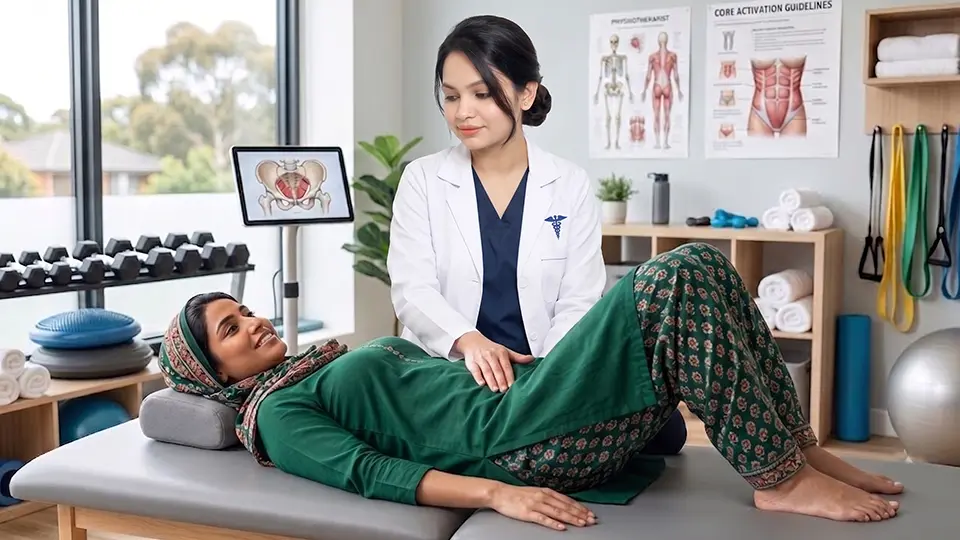 Women’s Health Physiotherapy is a highly specialized branch of physical therapy that focuses on the unique physical needs of women throughout different stages of life, especially during pregnancy, after childbirth, and in conditions related to pelvic and reproductive health.
It goes far beyond simple pain management. The main goal is to restore optimal function, rebuild strength, and support long-term physical well-being, helping women regain confidence in their bodies after significant physical changes such as pregnancy and delivery.
This type of physiotherapy addresses a wide range of concerns that many women experience but often do not openly discuss, including pelvic floor dysfunction, abdominal weakness, lower back pain, and postural imbalances caused by pregnancy and childcare activities.
Treatment typically includes:
- Pelvic floor rehabilitation to improve bladder control, core stability, and pelvic support
- Core strengthening exercises to restore abdominal muscle function, especially after diastasis recti
- Postural correction to relieve strain on the spine, shoulders, and hips caused by pregnancy and breastfeeding positions
- Manual therapy techniques to reduce muscle tightness, improve mobility, and relieve pain
- Scar tissue treatment for C-section or episiotomy recovery to improve healing and reduce discomfort
- Breathing retraining to enhance core engagement and reduce stress on the pelvic region
- Functional movement training to help mothers safely return to daily activities, lifting, and exercise
Women’s Health Physiotherapy is a safe, non-invasive, and evidence-based approach that supports natural healing. It empowers women to recover physically, improve quality of life, and prevent long-term complications after childbirth or pelvic health issues.
 Dr. Iqra Kiran is a highly trained physiotherapist specializing in:
- Women’s Health Physiotherapy – Focused care for female-specific conditions such as pelvic pain, hormonal changes affecting musculoskeletal health, and postnatal recovery needs.
- Postpartum Rehabilitation – Comprehensive recovery programs for new mothers after normal delivery or C-section, helping restore strength, mobility, and confidence.
- Pelvic Floor Therapy – Targeted treatment for issues like urinary incontinence, pelvic heaviness, and weakened pelvic muscles through guided exercises and manual techniques.
- Musculoskeletal Rehabilitation – Management of pain and dysfunction in muscles, joints, and soft tissues caused by injury, posture imbalance, or daily strain.
- Orthopedic Physiotherapy – Evidence-based treatment for bone, joint, and spine conditions including back pain, neck pain, arthritis, and sports injuries.
- Manual Therapy – Hands-on techniques to improve joint mobility, reduce stiffness, relieve pain, and restore normal movement patterns.
- Dry Needling – Advanced technique used to release muscle trigger points, reduce chronic pain, and improve muscle function and flexibility.
- Core Strength Training – Specialized rehabilitation programs designed to rebuild abdominal and back strength, improve posture, and support long-term spinal health.
Her approach is patient-centered and evidence-based. Every woman receives a personalized treatment plan based on:
- Type of delivery and recovery stage
- Pain level and symptom severity
- Muscle strength and functional ability
- Lifestyle demands and daily activity level
- Individual recovery goals and expectations
Dr. Iqra Kiran ensures that each treatment plan is not only focused on pain relief but also on long-term healing, prevention of recurrence, and helping women return to their normal routines with strength and confidence.
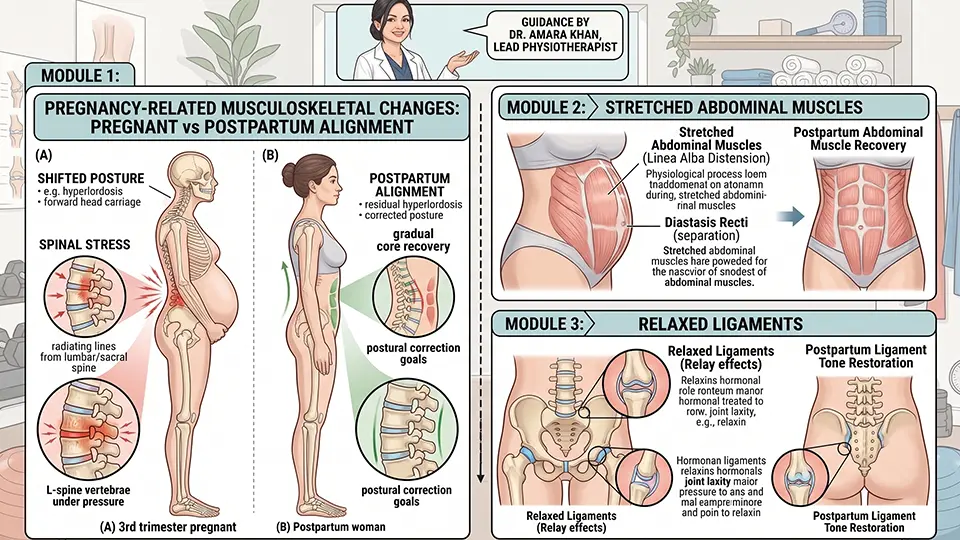
Postpartum pain is not random—it has a clear biological explanation rooted in the physical and hormonal changes that occur during pregnancy and childbirth.
During pregnancy, the body undergoes significant adaptations to support the growing baby:
- Muscles, especially in the abdomen and pelvic region, stretch beyond their normal functional limits
- Ligaments become more flexible due to hormonal changes (especially relaxin), reducing joint stability
- Core muscles weaken, leading to decreased spinal and pelvic support
- Posture gradually shifts forward as the center of gravity changes
- The spine and lower back carry increased mechanical load for several months
In addition to these changes, childbirth itself—whether vaginal delivery or C-section—places further stress on the pelvic floor, abdominal wall, and surrounding connective tissues. This can lead to muscle fatigue, micro-injuries, and temporary loss of coordination in key stabilizing muscles.
After delivery, the body does not automatically return to its pre-pregnancy state. These structures require time, proper movement, and guided rehabilitation to recover strength, alignment, and function.
Without appropriate postpartum physiotherapy and rehabilitation, the body may develop:
- Chronic or recurring lower back and pelvic pain
- Persistent weakness in the core and abdominal muscles (including diastasis recti)
- Poor posture that affects daily activities and long-term spinal health
- Long-term pelvic floor dysfunction, including urinary leakage or pelvic heaviness
Early assessment and targeted physiotherapy can significantly improve recovery outcomes and help restore normal function safely and effectively.
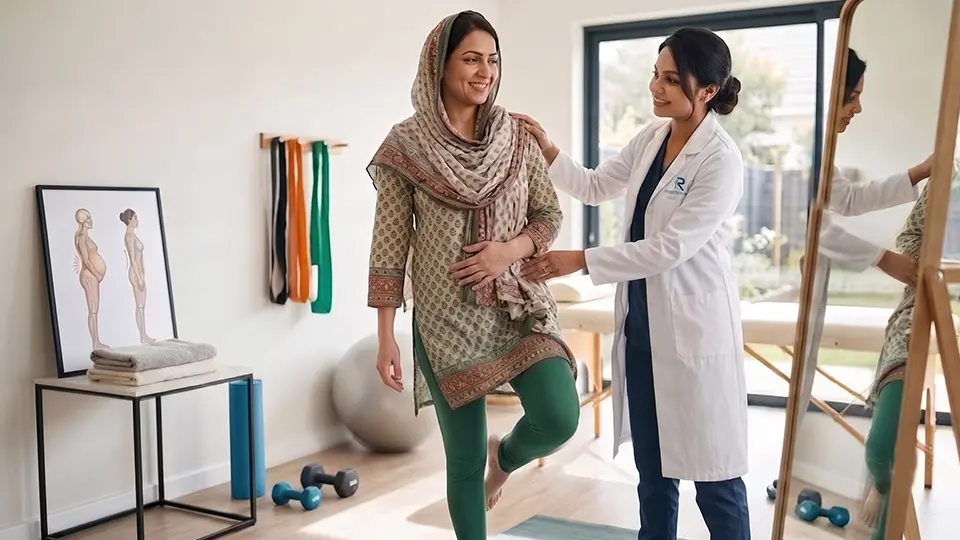
With proper physiotherapy, mothers experience:
- Reduced pain in the lower back, pelvis, and abdominal region through targeted manual therapy and guided exercises
- Stronger abdominal muscles and improved core stability after pregnancy-related muscle separation (diastasis recti)
- Improved posture, helping to correct slouching and spinal strain caused by pregnancy and breastfeeding positions
- Better bladder control by strengthening the pelvic floor muscles and reducing urinary leakage
- Faster and safer recovery after normal delivery or C-section with structured rehabilitation programs
- Increased energy levels as the body regains strength, balance, and functional movement efficiency
- Improved mobility in daily activities such as walking, lifting the baby, and household tasks without discomfort
- Better confidence in physical appearance and body function as strength and control are restored
The goal is not just healing—it is restoring your life quality.
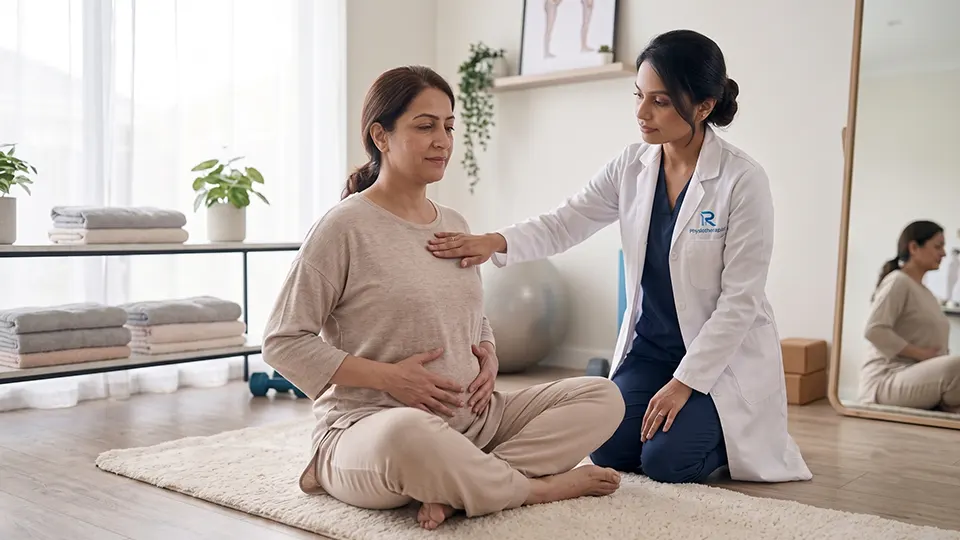
Even after a normal (vaginal) delivery, the body goes through significant physical stress and hormonal changes, so structured recovery is essential for complete healing and long-term well-being.
Physiotherapy plays a key role in helping new mothers regain strength, stability, and confidence after childbirth. A personalized postpartum rehabilitation plan focuses on gentle, progressive exercises that support the body’s natural healing process without putting unnecessary strain on weakened muscles and joints.
Physiotherapy helps:
- Strengthen pelvic floor muscles to improve bladder control and prevent issues like urinary leakage
- Restore abdominal muscle function and address diastasis recti (separation of abdominal muscles)
- Improve posture, especially after prolonged feeding and carrying the baby
- Reduce lower back, pelvic, and hip pain caused by pregnancy and delivery changes
- Support a safe and gradual return to daily activities and exercise routines
With early and guided rehabilitation, mothers can recover more efficiently, reduce the risk of long-term complications, and return to their normal lifestyle with greater comfort and confidence.
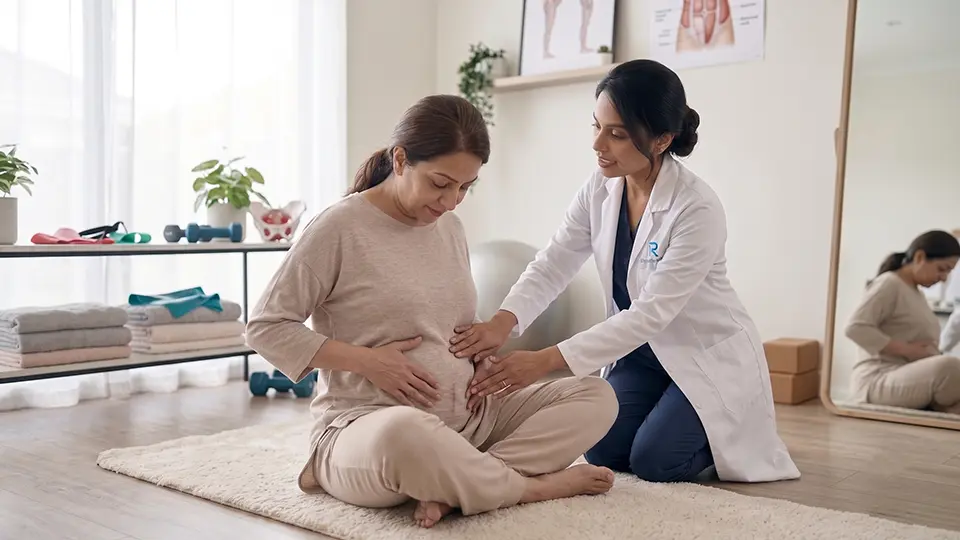
A C-section (Cesarean section) is a major abdominal surgery that requires proper healing time and guided rehabilitation. Since multiple layers of skin, muscle, and tissue are involved, recovery is often slower and more complex than a normal delivery. Many women are surprised by how long it can take to feel “normal” again.
Common issues after a C-section include:
- Scar tightness and pulling sensations around the incision site
- Weak abdominal muscles and reduced core stability
- Pain or discomfort while sitting, standing, coughing, or getting out of bed
- Reduced mobility and difficulty returning to daily activities
- Postural changes due to guarding and pain avoidance
- Lower back pain caused by core weakness
Without proper rehabilitation, these issues can persist and may even lead to long-term complications such as chronic back pain or poor core function.
Physiotherapy plays a key role in safe and effective recovery. Treatment may include:
- Gentle scar mobilization techniques to reduce adhesions and improve tissue flexibility
- Breathing exercises to activate deep core muscles and support healing
- Core activation exercises to gradually rebuild abdominal strength without strain
- Pelvic floor rehabilitation to restore internal support and stability
- Postural correction to reduce stress on the spine and incision area
- Gradual strengthening and functional training to help return to daily activities safely
- Education on safe movement patterns for lifting, feeding, and caring for the baby
With the right physiotherapy guidance, C-section recovery becomes smoother, more comfortable, and significantly faster, helping mothers regain strength and confidence in their bodies.
Pelvic Floor Rehabilitation
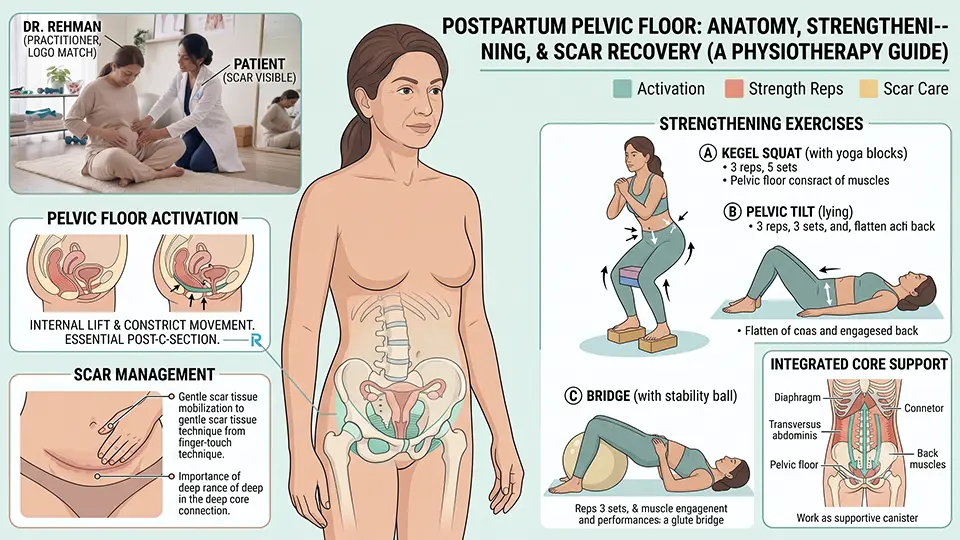
The pelvic floor muscles support:
- Bladder
- Uterus
- Bowel
- Core stability and continence
When these muscles become weak or stretched (commonly after pregnancy, childbirth, or prolonged strain), it can affect normal body function and daily comfort.
Weakness may lead to:
- Urinary leakage, especially during coughing, sneezing, or lifting
- Pelvic heaviness or a dragging sensation
- Lower back pain due to reduced core support
- Reduced control over bladder and bowel function
- Discomfort during physical activity or exercise
Pelvic floor rehabilitation focuses on retraining and strengthening these deep muscles through guided physiotherapy techniques such as targeted exercises, breathing coordination, and progressive muscle activation.
Rehabilitation helps restore:
- Muscle strength and endurance
- Bladder and bowel control
- Pelvic stability and postural support
Confidence in movement, exercise, and daily activities
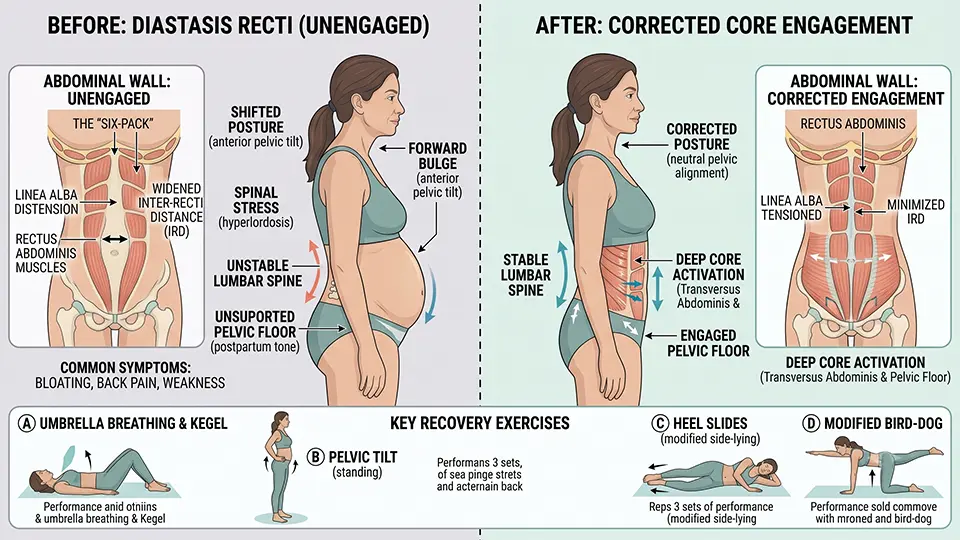
This condition involves the separation of the abdominal muscles (rectus abdominis), commonly seen during and after pregnancy when the growing uterus stretches the abdominal wall. It can affect core stability, posture, and overall functional strength if not properly managed.
Symptoms:
- Bulging or doming of the abdomen, especially when sitting up or lifting
- Noticeable weakness in the core muscles
- Lower back pain due to reduced abdominal support
- Poor posture and difficulty engaging abdominal muscles
- Feeling of abdominal “gap” or softness in the midline
Treatment includes:
- Safe, guided core activation exercises that avoid excessive abdominal pressure
- Breathing control techniques to properly engage the deep core muscles (especially the transverse abdominis)
- Progressive strengthening program tailored to the severity of separation
- Postural correction to reduce strain on the abdominal wall
- Pelvic floor coordination exercises to support core recovery
- Education on safe movement patterns for daily activities like lifting, bending, and getting out of bed
- Gradual return to functional and fitness activities under professional supervision
With consistent physiotherapy and proper guidance, most women experience significant improvement in core strength, abdominal control, and reduction in separation over time.
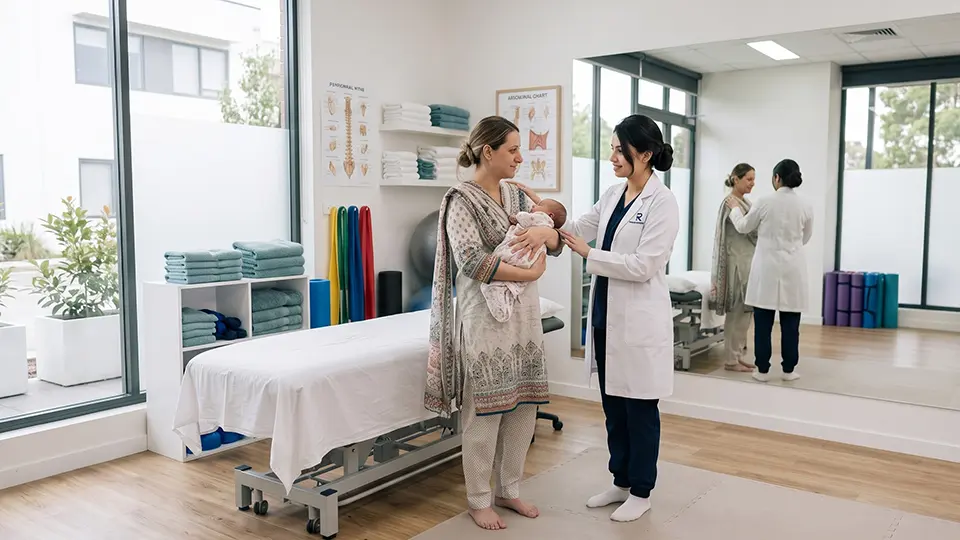
Early physiotherapy plays a crucial role in ensuring a smooth and complete recovery after childbirth or any musculoskeletal condition. The sooner treatment begins, the better the body responds to rehabilitation, allowing healing to occur in a structured and efficient way.
When physiotherapy is started early, it helps guide the body through the correct healing process instead of allowing poor posture, muscle weakness, or compensatory movement patterns to develop. This is especially important for postpartum women, as the pelvic floor, abdominal muscles, and lower back are all in a vulnerable state after delivery.
Early physiotherapy:
- Prevents acute pain from becoming chronic by addressing the root cause before it worsens
- Speeds up overall recovery by improving blood circulation, reducing inflammation, and promoting tissue repair
- Enhances muscle healing and strength restoration through targeted, safe exercises
- Restores normal movement, posture, and daily function more efficiently and effectively
- Reduces the risk of long-term issues such as persistent back pain, pelvic floor dysfunction, or core instability
Delaying treatment, on the other hand, can allow minor issues to progress into long-term complications. Untreated muscle weakness, poor posture, or pelvic floor dysfunction may lead to chronic pain, reduced mobility, and difficulty returning to normal daily activities. Early intervention ensures a faster, safer, and more complete recovery journey
Personalized Care Approach
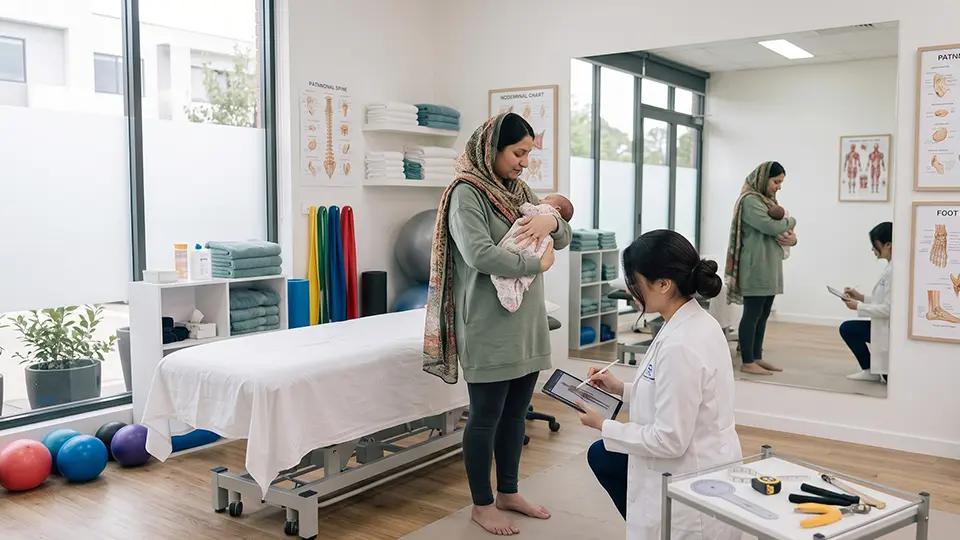
Every patient undergoes a comprehensive and detailed evaluation to ensure accurate diagnosis and effective treatment planning. This includes:
- Full assessment of medical history, symptoms, and functional limitations
- Posture analysis to identify imbalances, alignment issues, and movement compensations
- Strength testing of core, pelvic floor, and surrounding muscle groups to detect weakness or dysfunction
- Movement evaluation to assess mobility, flexibility, and pain triggers during daily activities
Based on these findings, a fully customized recovery plan is designed according to each patient’s condition, goals, and stage of recovery. This ensures safe, targeted, and effective rehabilitation for long-term results.
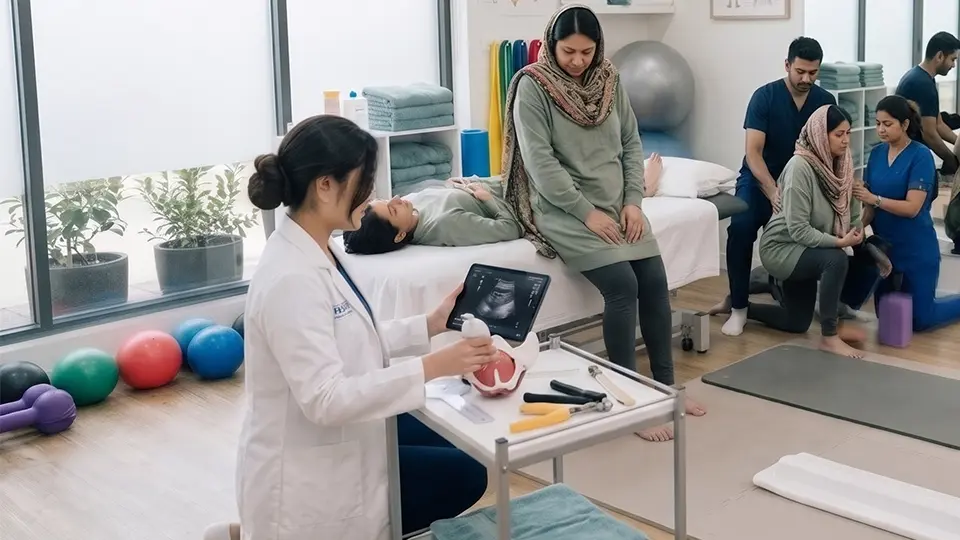
We provide comprehensive, evidence-based physiotherapy care designed specifically to support women through every stage of recovery and healing. Our approach is gentle, personalized, and focused on long-term results rather than temporary relief.
- Expert women’s health care delivered by a qualified and experienced physical therapist specializing in postpartum and pelvic health
- Postpartum rehabilitation programs tailored to help new mothers regain strength, mobility, and confidence after childbirth
- Specialized C-section recovery programs focused on scar healing, pain reduction, and safe return to daily activities
- Advanced pelvic floor therapy to address issues such as urinary leakage, pelvic pain, and muscle weakness
- Targeted diastasis recti treatment to restore core strength and improve abdominal separation after pregnancy
- Skilled manual therapy techniques to relieve pain, improve mobility, and enhance tissue recovery
- Patient-centered care that prioritizes your comfort, privacy, and individual recovery goals with continuous support throughout your healing journey
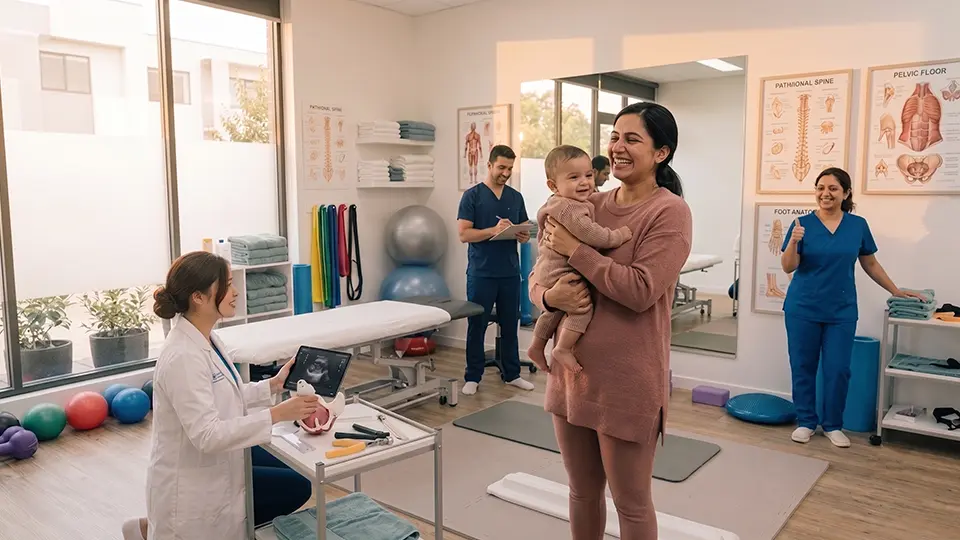
Postpartum recovery is a journey—not a race. Every mother’s body goes through significant physical and hormonal changes after childbirth, and healing takes time, patience, and the right support. With professional guidance, personalized physiotherapy, and consistent care, it is absolutely possible to regain strength, restore core stability, and feel comfortable in your own body again.
At Physio Rehab Solution, we are dedicated to supporting women through every stage of their postpartum recovery. Whether you are dealing with pelvic floor weakness, back pain, abdominal separation, or general fatigue, our goal is to help you heal safely, effectively, and confidently. We focus on restoring function, improving mobility, and empowering mothers to return to their daily routines without pain or discomfort.
Your recovery is not something to rush or ignore—it is an essential part of your long-term health and well-being. With the right physiotherapy care, you can rebuild strength, improve posture, and prevent future complications.
Your recovery matters. Your health matters. And above all, you deserve expert, compassionate care every step of the way.