If your jaw clicks, pops, or aches every time you chew, yawn, or talk for too long, you’re dealing with something physiotherapists see often: temporomandibular joint (TMJ) dysfunction. TMJ jaw pain physiotherapy is one of the most effective, non-surgical ways to calm this condition down, and in many cases it can resolve the clicking and pain altogether without medication or invasive procedures. At Physio Rehab Solution in Rawalpindi, we see TMJ dysfunction regularly, and patients are often surprised at how much relief comes from retraining the muscles and movement patterns around the jaw rather than simply waiting for the pain to pass. This guide walks through what’s actually happening inside the jaw joint, why it happens, and exactly how physiotherapy treatment addresses it, step by step.
Table of Contents
- What Is TMJ Dysfunction? Understanding the Jaw Joint
- Common Causes and Risk Factors of TMJ Jaw Pain
- Signs and Symptoms: When Jaw Clicking Becomes a Problem
- How TMJ Jaw Pain Physiotherapy Works
- Physiotherapy Techniques and Exercises for TMJ Relief
- The Connection Between TMJ, Neck Pain, and Headaches
- When to See a Physiotherapist (and When to See a Dentist)
- Frequently Asked Questions
What Is TMJ Dysfunction? Understanding the Jaw Joint
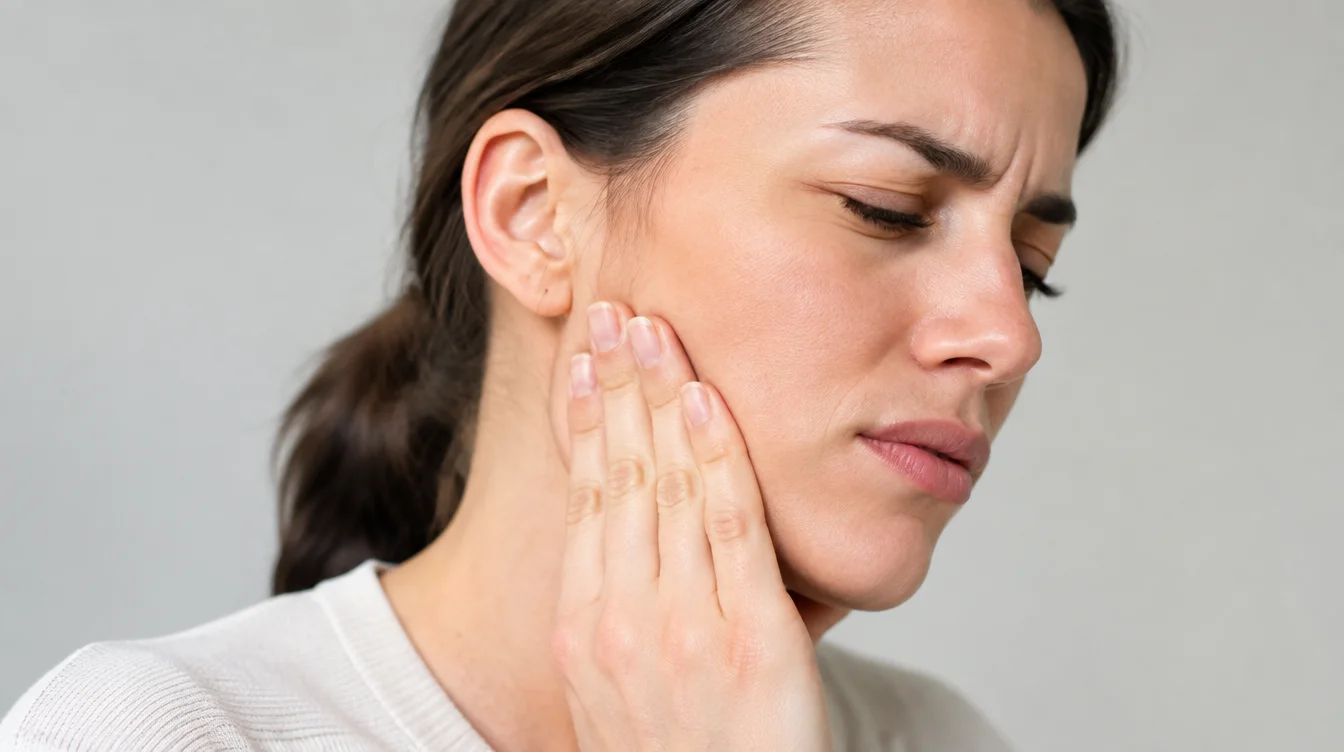
The temporomandibular joint (TMJ) is the hinge that connects your lower jaw (mandible) to the skull, sitting just in front of each ear. Unlike most joints in the body, it’s a sliding hinge: it rotates and glides forward at the same time whenever you open your mouth wide. Between the two bones sits a small cartilage disc that cushions the movement and keeps everything tracking smoothly as the jaw opens and closes thousands of times a day through talking, chewing, and yawning.
Several muscle groups power this joint, including the masseter and temporalis (which close the jaw) and the pterygoid muscles (which control side-to-side and forward movement). “TMJ dysfunction,” sometimes called TMD, is an umbrella term for problems affecting any part of this system: the joint itself, the disc, or the surrounding muscles. It can show up as clicking, popping, grinding sensations, stiffness, or pain, and it’s far more common than most people realize, affecting an estimated 5 to 12 percent of adults at some point in their lives.
Clinically, TMJ dysfunction tends to fall into a few broad categories: muscular (where overworked or spasming muscles are the main driver), disc-related (where the cushioning disc has shifted slightly out of position, producing the classic click as it slips back into place during movement), and joint-related (where the joint surfaces themselves are irritated or, less commonly, affected by arthritis). Knowing which category you fall into matters, because it changes how physiotherapy treatment is structured, which is exactly why a proper assessment comes before any exercise plan.
Common Causes and Risk Factors of TMJ Jaw Pain

TMJ dysfunction rarely has one single cause. It’s usually a combination of habits, posture, and muscle overuse that builds up over time. It is part of why TMJ problems can be tricky to pin down without a proper assessment. The most frequent contributors we see in clinic include:
- Teeth grinding and clenching (bruxism), often happening unconsciously during sleep or during stressful periods at work
- Poor posture, especially a forward head position that changes how the jaw muscles have to work to keep the mouth closed
- Jaw trauma from an injury, dental procedure, or a hard blow to the face
- Bite misalignment, where the upper and lower teeth don’t meet evenly
- One-sided chewing habits or excessive gum chewing, which overloads one side of the joint
- Arthritis affecting the joint surfaces, more common with age
Why Desk Jobs and Phone Use Make It Worse
We treat a lot of office workers in Rawalpindi who spend eight or more hours a day hunched over a laptop or looking down at a phone. This forward head posture shortens the muscles at the front of the neck and forces the jaw muscles to work harder just to keep the mouth in a resting position. Over months, that constant low-grade overwork is enough to trigger TMJ symptoms even in people who have never had any dental or jaw problems before.
Signs and Symptoms: When Jaw Clicking Becomes a Problem

A single, painless click when you open your mouth wide isn’t automatically something to worry about. Many people have a bit of clicking in the jaw their whole lives with no other symptoms. It becomes worth addressing when clicking is joined by any of the following:
- Pain or tenderness in the jaw, temple, or in front of the ear
- Difficulty opening the mouth fully, or the jaw catching or briefly “locking”
- Pain that spreads to the ear, cheek, or neck
- Frequent headaches, particularly around the temples, on waking
- A jaw that feels tired or tight after talking or eating
- Grinding or grating sounds, rather than a simple click
If you’re noticing two or more of these alongside the clicking, it’s a sign the joint and surrounding muscles are under real strain, and it’s a good time to get it assessed rather than wait for it to resolve on its own.
Even mild symptoms are worth mentioning at your next physiotherapy appointment, since catching TMJ dysfunction early generally means a shorter, simpler course of treatment.
How TMJ Jaw Pain Physiotherapy Works
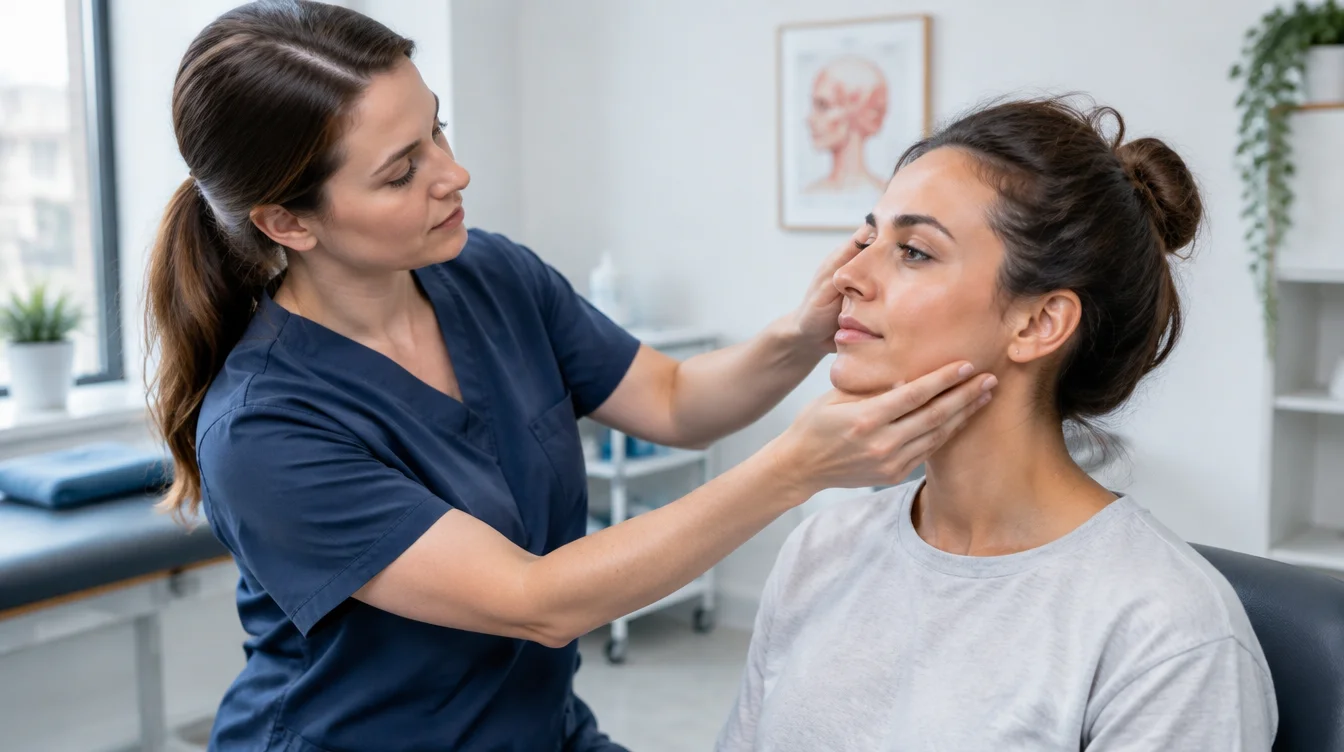
TMJ jaw pain physiotherapy starts with a proper assessment, not a generic set of exercises handed out on a sheet of paper. At Physio Rehab Solution, that assessment typically looks at:
- How far and how symmetrically the mouth opens
- Which muscles are tender or in spasm when palpated
- Neck and upper back posture, since the two areas are closely linked
- Movement patterns during chewing and speaking
- Any habits, like clenching or nail-biting, that might be feeding the problem
From there, treatment is built around three goals: reducing muscle tension and pain, restoring normal, symmetrical jaw movement, and correcting the postural or habitual factors that caused the problem in the first place. Most patients notice a reduction in pain within two to four weeks of consistent treatment, though full resolution of clicking can take longer since it depends on how long the dysfunction has been present and how much disc or joint involvement there is.
What makes TMJ jaw pain physiotherapy different from simply resting and hoping the pain settles is that it directly targets the mechanics that are keeping the problem going. Rest alone can reduce flare-ups temporarily, but if the underlying muscle imbalance or postural habit is never corrected, symptoms tend to return the moment normal activity resumes. A structured plan, reviewed and adjusted over a few sessions, gives the joint the best chance of settling permanently rather than cycling through repeated flare-ups.
Physiotherapy Techniques and Exercises for TMJ Relief
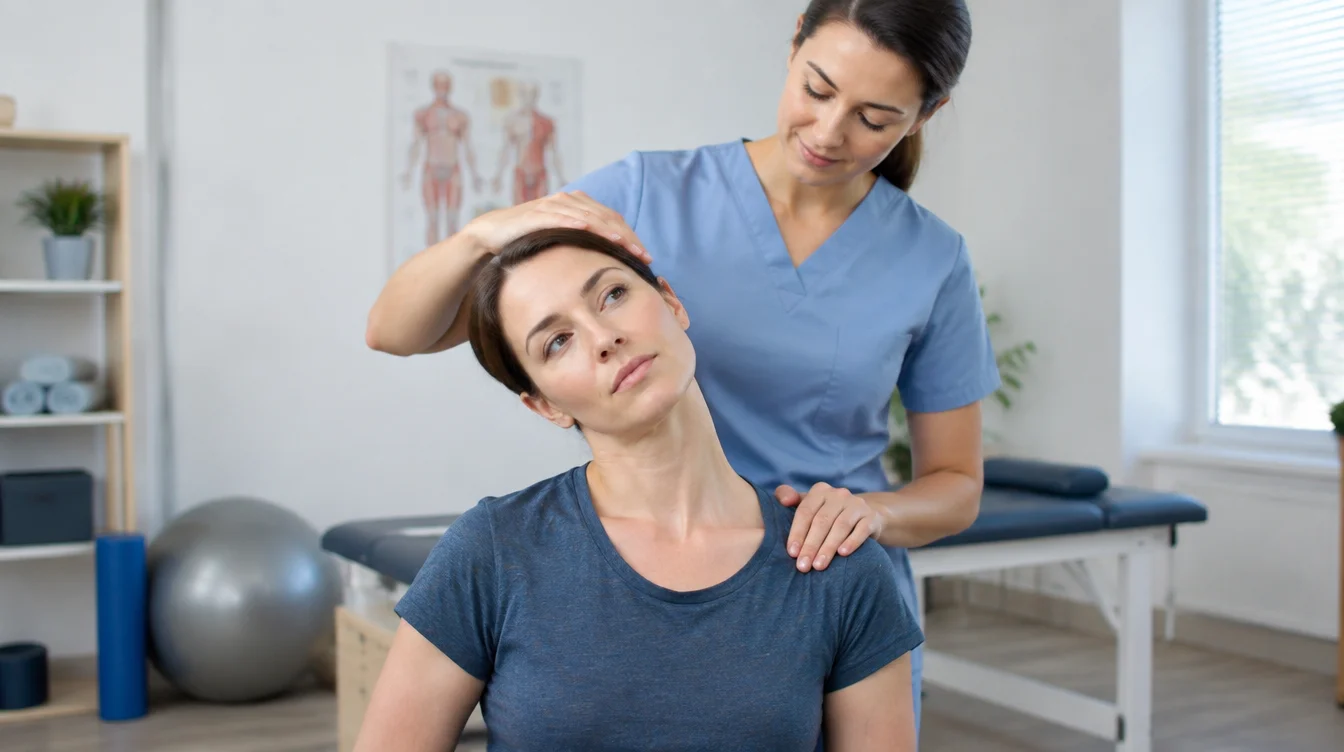
A physiotherapy plan for TMJ dysfunction usually combines hands-on treatment with a home exercise program.
Manual Therapy and Soft Tissue Release
Gentle manual release of the masseter, temporalis, and pterygoid muscles, both externally and sometimes intraorally, helps reduce the muscle spasm that’s driving much of the pain. Joint mobilization techniques can also improve how smoothly the disc tracks during opening and closing.
Jaw Mobility and Stretching Exercises
Controlled opening exercises, where you open your mouth slowly in front of a mirror to keep the movement symmetrical, help retrain the joint to track properly instead of deviating to one side. Gentle stretching and resisted opening and closing exercises (using light finger pressure) build control in the surrounding muscles. A commonly used drill is the “goldfish exercise,” where light resistance is applied under the chin while slowly opening the mouth, strengthening the muscles that stabilize the joint.
Postural Correction Exercises
Because forward head posture is such a common driver, chin tuck exercises, upper back strengthening, and ergonomic adjustments at a desk are usually part of the plan too. These aren’t a quick fix — they typically need to be practiced daily for several weeks before patients notice a real shift in how the jaw feels.
Self-Care Between Sessions
Alongside formal exercises, simple daily habits support recovery: applying a warm compress to relax tight muscles before stretching, switching temporarily to softer foods to reduce load on the joint, avoiding wide yawns and excessive gum chewing, and becoming aware of clenching during the day so it can be consciously released. None of these replace a tailored treatment plan, but they reduce how much the joint gets irritated while it heals.
These exercises are safe for most people to start gently, but a session with a physiotherapist first means they’re tailored to your specific pattern of dysfunction rather than applied generically, which matters a lot for how quickly you improve.
The Connection Between TMJ, Neck Pain, and Headaches

Patients are often surprised to learn how closely TMJ dysfunction is linked to neck pain and headaches. The muscles of the jaw and the upper neck share overlapping nerve pathways at the brainstem, specifically through a structure called the trigeminocervical nucleus, which is part of why jaw tension so often refers pain into the temple or the back of the head. At the same time, the posture that strains the neck, especially a forward head position, is often the exact same posture that overloads the jaw muscles.
This overlap explains why patients with TMJ dysfunction so frequently also report tension-type headaches, a tight upper trapezius, and stiffness turning the head. It also explains why painkillers alone rarely give lasting relief: they mask the referred pain without addressing the muscular source driving it, whether that source is in the jaw, the neck, or both at once.
In practice, this means treating TMJ dysfunction in isolation rarely works as well as treating the jaw and neck together. If you’re dealing with jaw pain alongside recurring neck tension, it’s worth reading our guide on neck pain physiotherapy treatment, since many of the same postural corrections apply to both.
When to See a Physiotherapist (and When to See a Dentist)

Physiotherapy is usually the right first step when TMJ pain is driven by muscle tension, posture, or habitual clenching, which covers the majority of cases we see. A physiotherapist can also work alongside a dentist when a bite misalignment or a night guard is part of the picture, since addressing the muscular component speeds up how well a night guard or dental appliance works, and the two professions often get better results for patients when they coordinate rather than work separately.
You should prioritize seeing a dentist or oral surgeon first if there’s a suspected bite problem, visible dental damage from grinding, or signs of significant structural joint damage such as the jaw locking shut or open. And if your jaw pain is severe, sudden, or came on after an injury, it’s always best to get an in-person assessment rather than relying on general information online, since every case of TMJ dysfunction has its own specific pattern that needs to be examined directly before starting any treatment plan.
If you’re unsure which category your symptoms fall into, our physiotherapy FAQ page covers a wider range of common questions about when physiotherapy is appropriate versus when a specialist referral is needed.
Frequently Asked Questions

Here are a few questions specific to TMJ jaw pain that we hear often in clinic. For broader questions about physiotherapy treatment in general, our main FAQ page covers topics like appointment booking, session length, and what to expect from your first visit.
Can TMJ jaw pain go away without any treatment?
Mild, occasional TMJ discomfort can settle on its own, especially if it’s tied to a short stressful period or a single instance of overuse. But when clicking is paired with pain, stiffness, or reduced jaw opening, it tends to persist or worsen without addressing the underlying muscle tension and posture, which is where physiotherapy makes the biggest difference.
Is jaw clicking always something to worry about?
No. Painless clicking with a full, symmetrical range of jaw motion is common and often doesn’t need treatment. It becomes a concern when it’s accompanied by pain, locking, a limited opening, or when the click is new and progressively getting louder or more frequent.
How long does TMJ physiotherapy usually take to show results?
Most patients notice reduced pain and muscle tension within two to four weeks of consistent treatment and home exercises. Full improvement in joint clicking and mobility can take longer, generally six to twelve weeks, depending on how long the dysfunction has been present.
Can stress and anxiety really cause TMJ jaw pain?
Yes. Stress is one of the most common triggers for jaw clenching and teeth grinding, often happening overnight without the person realizing it. Addressing the physical muscle tension through physiotherapy, alongside general stress management, is usually more effective than treating either one alone.
If jaw clicking, tightness, or pain has been bothering you, it’s worth getting it properly assessed rather than letting it become a long-term habitual pattern. Our team at Physio Rehab Solution in Rawalpindi offers personalized TMJ and jaw pain physiotherapy assessments to identify exactly what’s driving your symptoms and build a plan to resolve them. Book an appointment at our Rawalpindi clinic today, or call us directly at +923214287773 to schedule your visit.