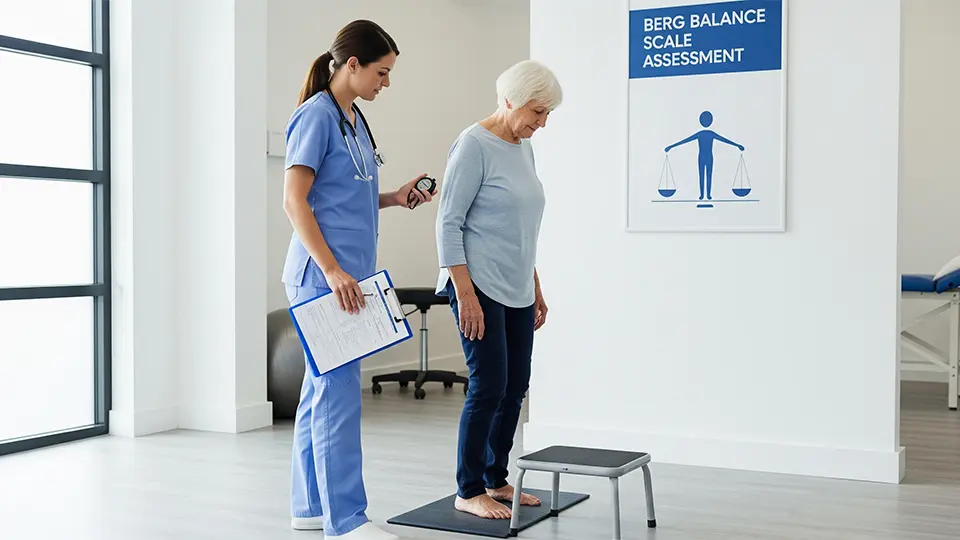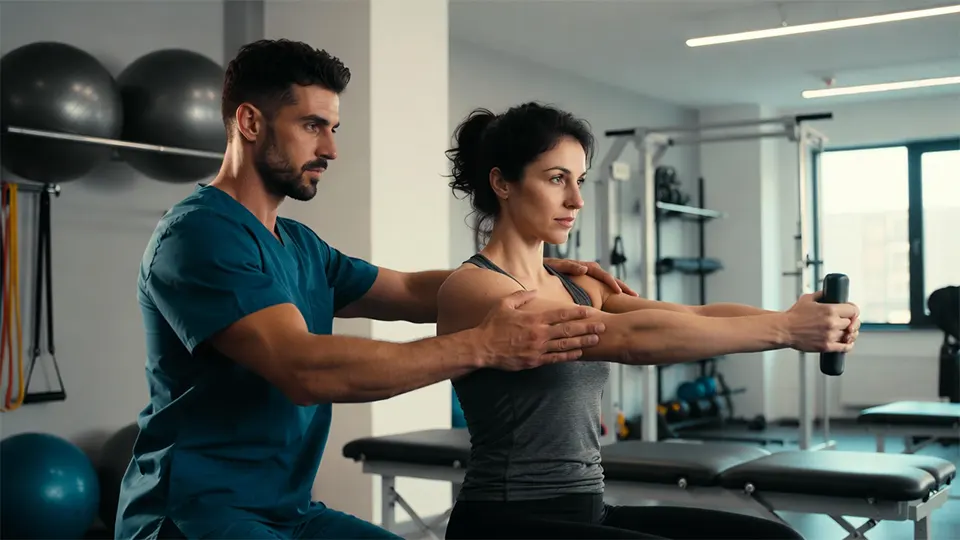
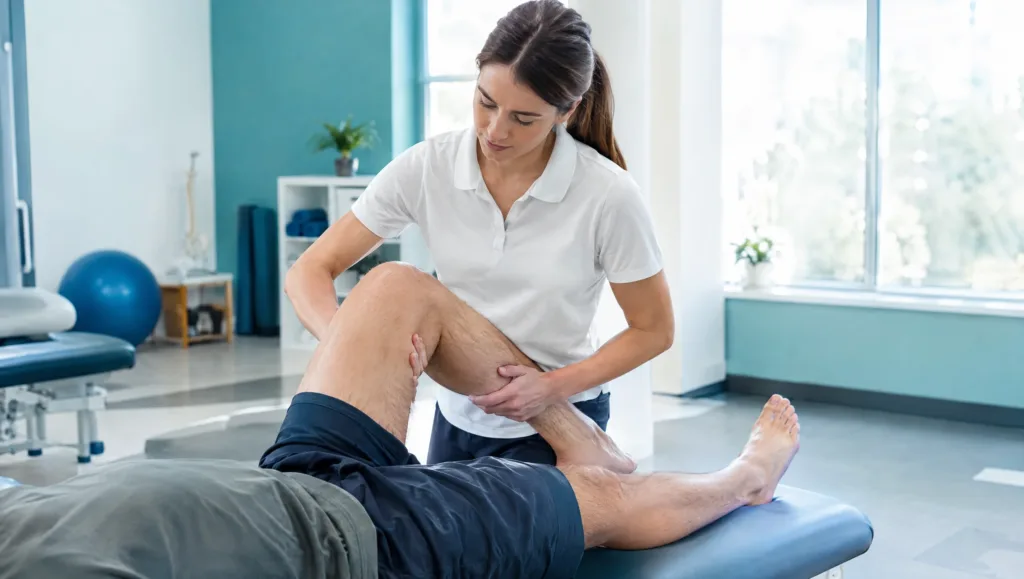
If you’re looking for knee pain physiotherapy Rawalpindi clinics actually recommend, you’re in the right place. Knee pain is one of the most common reasons patients walk into our clinic, whether it’s from years of joint wear, a sports injury, or pain that appeared seemingly overnight.
The good news is that most knee pain does not require surgery. With a proper assessment and a structured, evidence-based treatment plan, the majority of patients regain pain-free movement without ever seeing an operating table. This guide walks through what actually causes knee pain, how physiotherapy treats it, which exercises are safe to try now, and when you genuinely need more than conservative care.
Table of Contents
Understanding Knee Pain: Common Causes and Symptoms
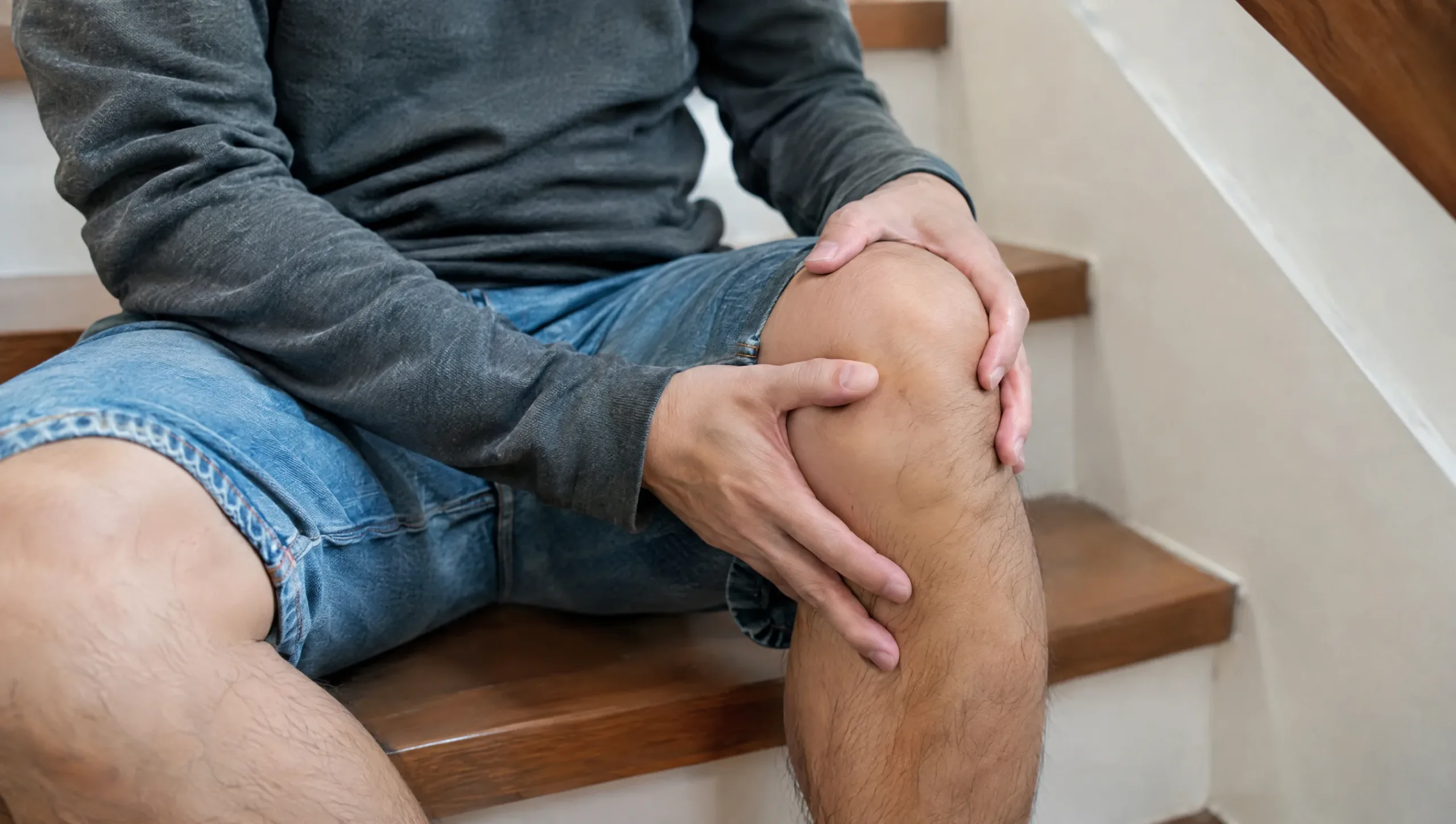
Knee pain rarely has a single cause, which is exactly why generic advice (“just rest it” or “ice it and see”) so often fails. In our Rawalpindi clinic, the most common diagnoses we see include knee osteoarthritis, where the cartilage cushioning the joint gradually wears down, causing stiffness, swelling, and a deep ache that’s often worse in the morning or after long periods of sitting.
Patellofemoral pain syndrome — sometimes called “runner’s knee” — shows up as a dull ache around or behind the kneecap, especially when climbing stairs, squatting, or sitting for long stretches with bent knees. For a general medical overview of knee pain and its causes, the NHS guide to knee pain is a useful starting reference.
Meniscus tears, which affect the cartilage discs that cushion the knee joint, often present with clicking, catching, or a sensation of the knee “locking.” Ligament sprains, particularly to the ACL or MCL, usually follow a specific twisting injury or direct blow and come with swelling, instability, or a feeling that the knee might “give way.”
Other frequent culprits are iliotibial (IT) band syndrome, patellar tendinitis (jumper’s knee), and bursitis — inflammation of the small fluid-filled sacs that cushion the joint. Each of these has a different treatment path, which is why an accurate diagnosis matters more than the specific exercise you choose first.
Certain factors make knee pain more likely in the first place. Age-related cartilage changes, a previous knee injury that never fully rehabilitated, occupations that involve a lot of standing, squatting, or stair climbing, carrying extra body weight, and muscle imbalances around the hip and thigh all raise the risk. Recognizing which of these apply to you is part of building a treatment plan that doesn’t just relieve today’s pain but also lowers the chance of it returning.
How a Physiotherapist Assesses Your Knee Pain
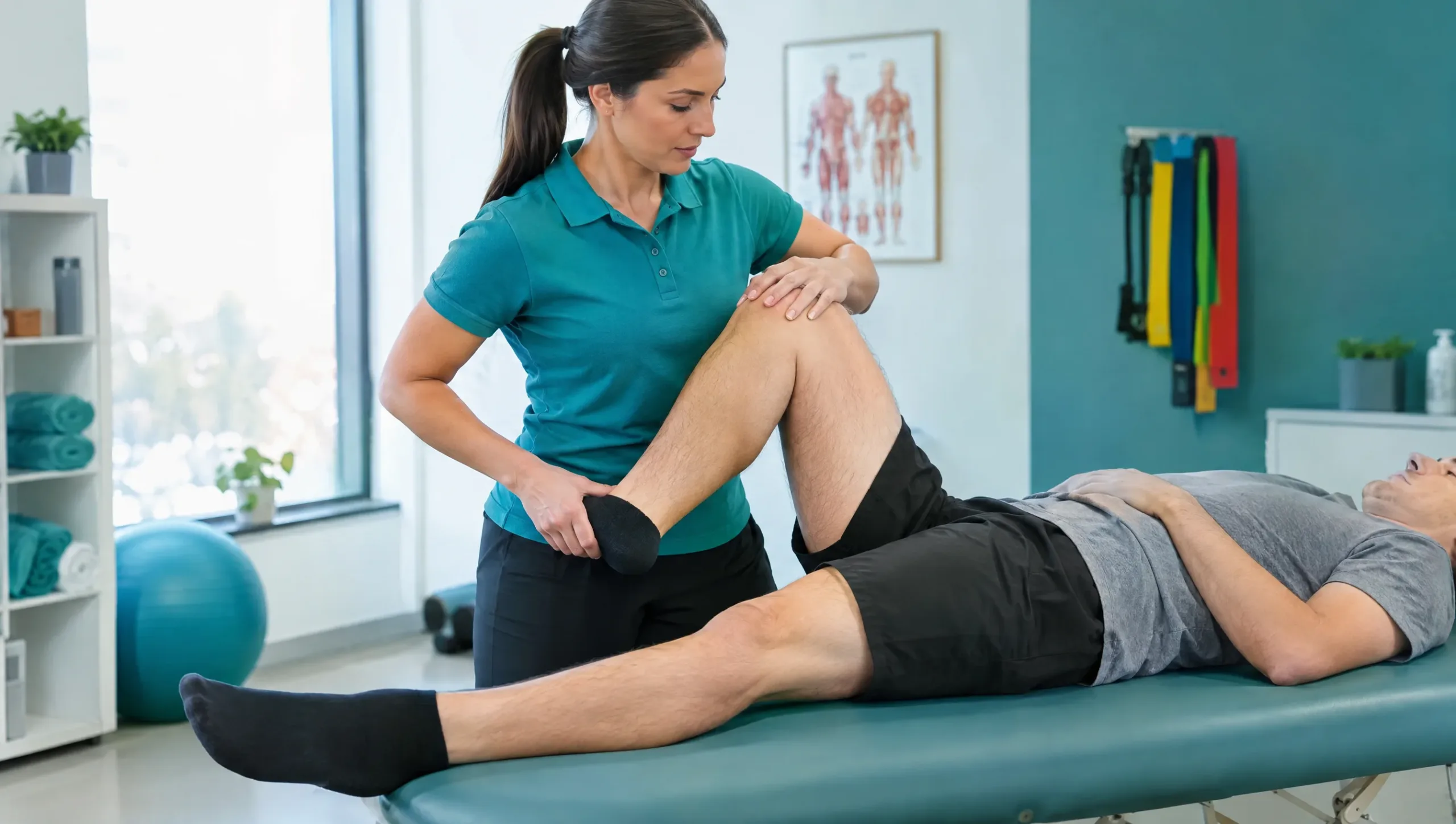
A proper knee pain physiotherapy Rawalpindi assessment starts long before any treatment is applied. We begin with a detailed history: when the pain started, whether there was a specific injury, what makes it better or worse, and how it’s affecting daily activities like walking, climbing stairs, or sitting cross-legged.
This is followed by observation of your posture, gait, and leg alignment, since knee pain is frequently linked to what’s happening at the hip and ankle, not just the knee itself. From there, we move into hands-on testing: palpating the joint to locate the exact source of pain, checking range of motion, and running specific orthopedic tests that help differentiate between a meniscus problem, a ligament issue, or a purely muscular one.
Strength testing of the quadriceps, hamstrings, and hip muscles is essential, since weakness in these groups is one of the most common — and most fixable — contributors to ongoing knee pain. Finally, we assess function: how your knee performs during a squat, a step-down, or a single-leg stand, because these movement patterns often reveal the “why” behind the pain in a way that a scan alone cannot.
This assessment is what allows us to build a treatment plan around your specific knee rather than a generic protocol, and it gives us a clear baseline — such as how far you can bend the knee or how many pain-free squats you can perform — so we can measure real progress at each follow-up rather than relying on how you “feel” the pain is doing.
Knee Pain Physiotherapy Rawalpindi: Non-Surgical Treatment Options
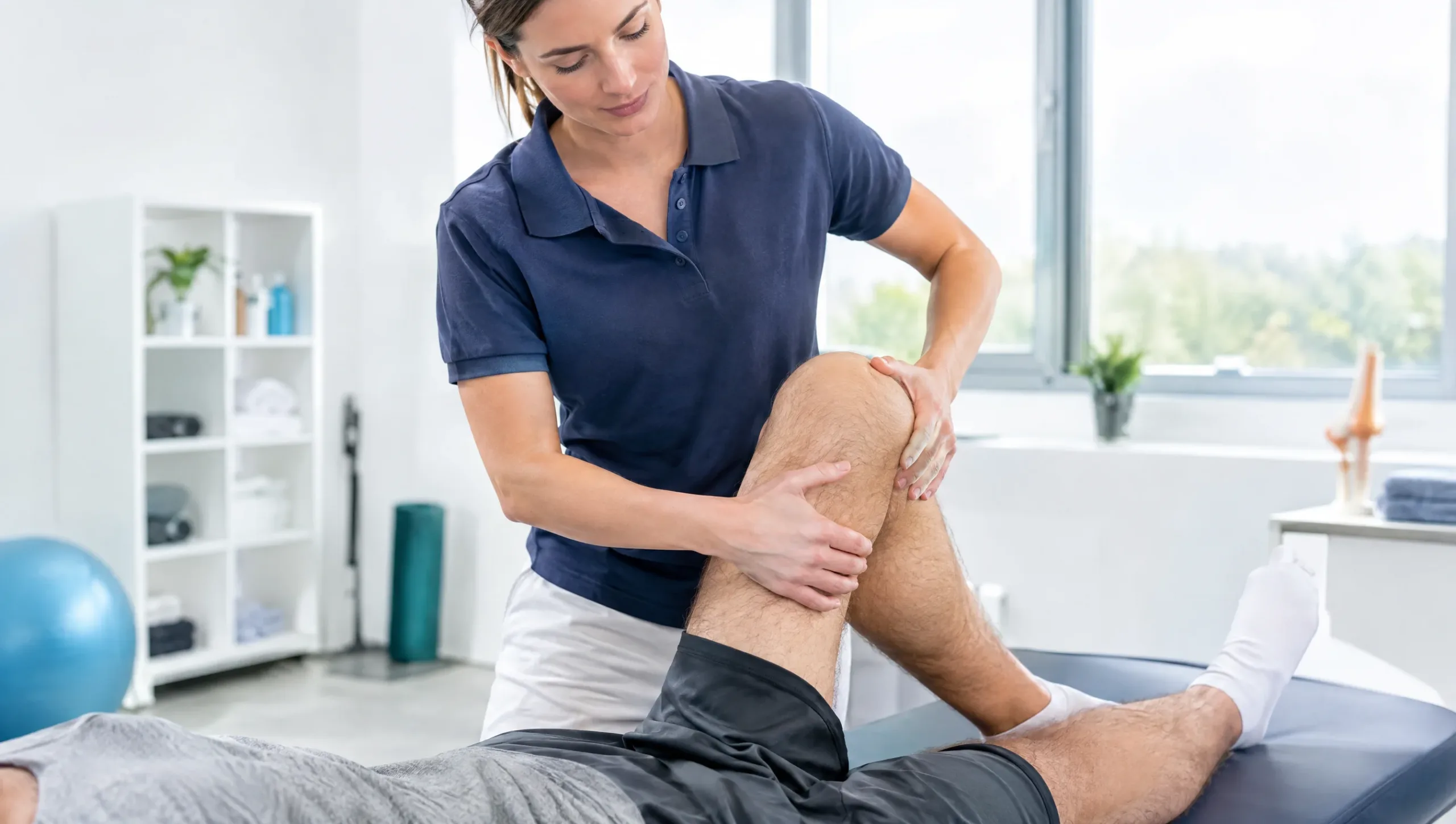
Once we know what’s driving your pain, knee pain physiotherapy Rawalpindi treatment typically combines several approaches rather than relying on just one. We’ve written in more depth about why physiotherapy is often the first, evidence-based step before considering surgery for joint pain — the same reasoning applies directly to the knee.
Manual Therapy and Joint Mobilization
Hands-on techniques — including soft tissue mobilization, patellar mobilization, and gentle joint gliding — help restore normal movement in a stiff or irritated knee and can meaningfully reduce pain in the first few sessions.
Targeted Therapeutic Exercise
This is the backbone of long-term recovery. A progressive program that strengthens the quadriceps, hamstrings, glutes, and calf muscles takes pressure off the joint itself and addresses the root cause rather than just masking symptoms.
Electrotherapy and Pain-Relief Modalities
Modalities such as therapeutic ultrasound and electrical stimulation can help manage pain and swelling in the early, more irritable stages, making it easier to tolerate active exercise.
Taping, Bracing, and Gait Correction
Kinesiology taping or a supportive brace can offload a painful structure temporarily, while gait and movement retraining corrects the mechanical patterns — such as poor squat form or an inward-collapsing knee — that often caused the problem in the first place.
Safe At-Home Exercises to Start Today

While a personalized plan will always outperform a generic one, these are the exercises any knee pain physiotherapy Rawalpindi routine typically starts with, and they’re safe for most people with mild to moderate knee pain. Quad sets — tightening the thigh muscle while the leg is straight and holding for five seconds — help maintain strength without stressing the joint. Straight leg raises build the same muscle group without bending the knee at all, making them ideal in the early, more painful stages.
Heel slides, where you slowly bend and straighten the knee while lying down, help restore range of motion gently. Mini squats — bending only 20 to 30 degrees, well within a pain-free range — begin to build functional strength. Step-ups on a low step and standing calf raises round out a simple home routine that targets the muscles supporting the knee from above and below.
One important rule applies to all of these: mild discomfort during exercise is normal, but sharp pain, swelling that increases afterward, or pain that lingers for more than a day means you should scale back and get an in-person assessment rather than pushing through.
When Knee Pain Needs More Than Physiotherapy
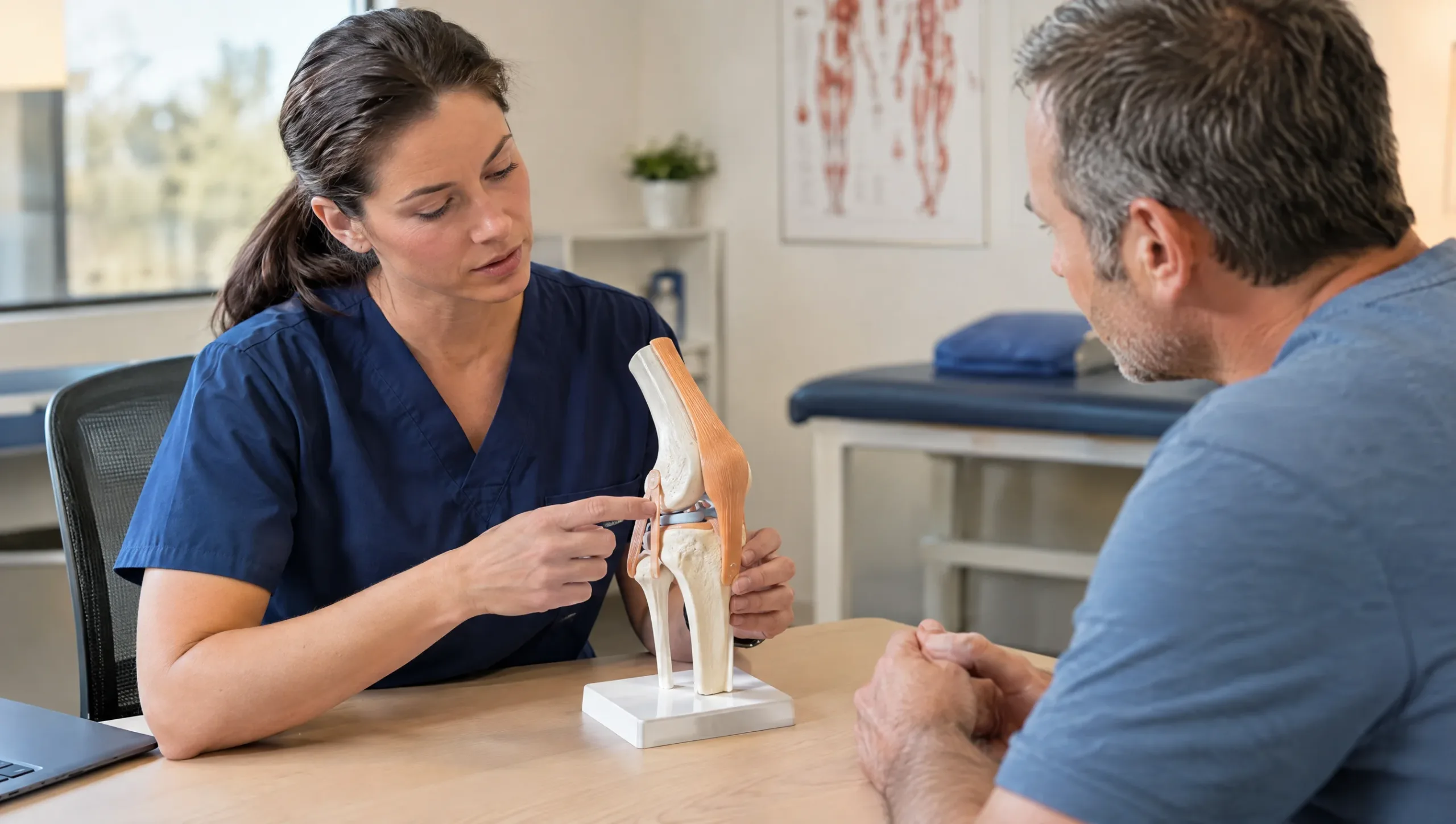
Most knee pain responds well to conservative, non-surgical care, but a small number of presentations need to be evaluated in person before starting any exercise program. These red flags include being unable to bear any weight on the leg, an obviously deformed or dislocated-looking joint, significant swelling that develops within hours of an injury, a knee that repeatedly locks or gives way, or fever combined with a hot, swollen joint, which can indicate infection.
If any of these apply to you, please don’t rely on a blog post or home exercises — book an in-person assessment so we can rule out a more serious injury and guide you safely, and you can check our frequently asked questions page for more on what a first visit involves.
What to Expect: A Realistic Recovery Timeline

Recovery timelines for knee pain physiotherapy Rawalpindi patients vary considerably depending on the diagnosis, how long you’ve had the pain, and your overall activity level, so treat the following as a general guide rather than a guarantee. In the first one to two weeks, the main goal is usually pain and swelling control alongside gentle range-of-motion work.
Between roughly weeks four and eight, most patients move into a strength-building phase, progressively loading the muscles around the knee as pain allows. By eight to twelve weeks, many people with mechanical or overuse-related knee pain are back to most normal activities, including light sport, though a true ligament or meniscus injury can take considerably longer. Your physiotherapist will reassess and adjust this timeline as you progress rather than following a fixed schedule regardless of how your knee actually responds.
Knee Pain and Everyday Life: Namaz, Floor-Sitting, and Local Habits

A lot of what we see in knee pain physiotherapy Rawalpindi practice has less to do with sport and more to do with daily movement patterns that are simply part of local life. Kneeling and sitting back on the heels during namaz, sitting cross-legged on the floor for meals or gatherings, and using squat-style toilets all place the knee into deep flexion multiple times a day — positions that are perfectly normal but can become genuinely painful once there’s underlying joint irritation, cartilage wear, or quadriceps weakness.
The good news is that you usually don’t have to give these activities up entirely. A physiotherapist can teach modified positions — such as using a small stool, cushion, or slight postural adjustment during prayer — while your strengthening program addresses the underlying weakness, so that over time you can return to sitting and kneeling comfortably rather than avoiding it indefinitely. This kind of practical, culturally relevant adjustment is exactly the sort of detail a generic online exercise plan will never account for.
Preventing Knee Pain From Coming Back
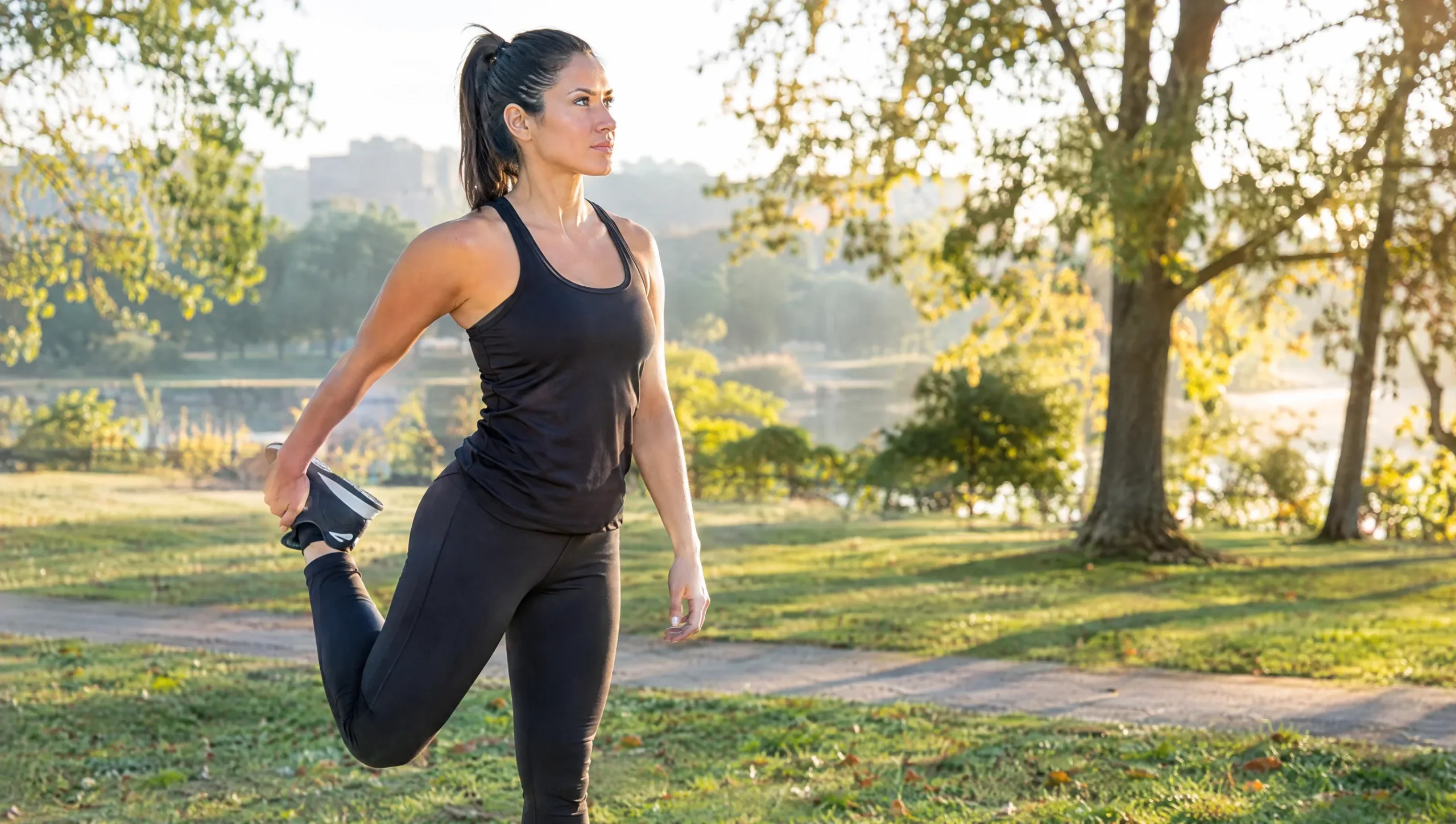
Once your knee feels better, the work isn’t quite finished — with any knee pain physiotherapy Rawalpindi plan, prevention is what keeps you out of pain long-term. Maintaining quadriceps and hip strength through ongoing exercise is the single most protective habit, since these muscles absorb a large share of the load that would otherwise pass through the joint. Supportive, well-fitted footwear matters more than most people realize, particularly if you spend long hours on your feet or walk on hard surfaces.
A proper warm-up before exercise or sport reduces injury risk, and gradually increasing activity levels — rather than jumping straight back into intense training — gives tissues time to adapt. If you sit at a desk for most of the day, standing and moving every 30 to 45 minutes helps prevent the stiffness that builds up from prolonged bent-knee positions. And if you’re carrying extra body weight, even a modest reduction meaningfully lowers the load on the knee joint with every step you take.
Finally, don’t wait for pain to fully disappear before you stop paying attention to it. A short, twice-weekly maintenance routine of the strengthening exercises your physiotherapist gave you is far easier — and far cheaper, in time and money — than working through another full episode of knee pain six months down the line.
Frequently Asked Questions
Is physiotherapy effective for knee osteoarthritis, or will I eventually need surgery?
For most people with mild to moderate knee osteoarthritis, knee pain physiotherapy Rawalpindi treatment — particularly a consistent strengthening program — significantly reduces pain and improves function, and many patients avoid or delay surgery for years. Surgery is generally reserved for cases where conservative treatment hasn’t helped and the joint damage is severe.
How many physiotherapy sessions do I need before my knee pain improves?
This depends heavily on the diagnosis, but many patients notice a meaningful reduction in pain within four to six sessions, with fuller functional recovery taking several more weeks of consistent home exercise alongside in-clinic treatment.
Can I keep exercising if I have knee pain, or should I rest completely?
Complete rest is rarely the best answer. In most cases, modifying activity — reducing load or range rather than stopping altogether — keeps the muscles around the knee strong while the underlying issue is treated. A physiotherapist can tell you exactly which movements to keep and which to temporarily avoid.
What’s the difference between physiotherapy and just resting for a meniscus injury?
Rest alone can reduce pain temporarily, but it doesn’t restore the strength and control the knee loses during the injury. Physiotherapy addresses both the healing tissue and the surrounding muscles, which is what actually prevents the knee from feeling unstable or re-injuring once you return to normal activity.
If you’ve been searching for dependable knee pain physiotherapy Rawalpindi patients recommend to each other, don’t wait for the pain to become a bigger problem. Dr. Iqra Kiran and the team at Physio Rehab Solution in Rawalpindi offer thorough, one-on-one physiotherapy assessments to identify exactly what’s causing your knee pain and build a plan to fix it — non-surgically, wherever possible. Book your appointment today by calling +92 321 4287773, and take the first step toward moving without pain again.