If you have ever typed “physiotherapist near me” into Google at 11 p.m. with an ice pack on your shoulder, you already know the problem: good physiotherapy care in Rawalpindi and Islamabad is not always five minutes away, and traffic, work hours, or a patient’s own mobility can make an in-clinic visit genuinely hard to arrange every week. Telehealth physiotherapy — physio sessions delivered over video call instead of in person — has grown quickly worldwide since 2020, and patients regularly ask us whether it actually works, or whether it is just a watered-down substitute for the real thing.
This guide gives you a straight answer: what online physiotherapy sessions can do well, what they genuinely cannot replace, who tends to benefit most, and how a typical telehealth physiotherapy session actually runs. We will also look at where the evidence stands, because “it works for some things” is a very different claim from “it works for everything,” and patients deserve the distinction.
Table of Contents
- What Is Telehealth Physiotherapy, Exactly?
- Does the Evidence Actually Support Online Physio?
- What Works Well in a Virtual Physiotherapy Session
- Where Telehealth Physiotherapy Falls Short
- Who Benefits Most From Online Physiotherapy Sessions
- What a Telehealth Physiotherapy Session Actually Looks Like
- Getting the Most Out of Your Online Physio Session
- Frequently Asked Questions
What Is Telehealth Physiotherapy, Exactly?
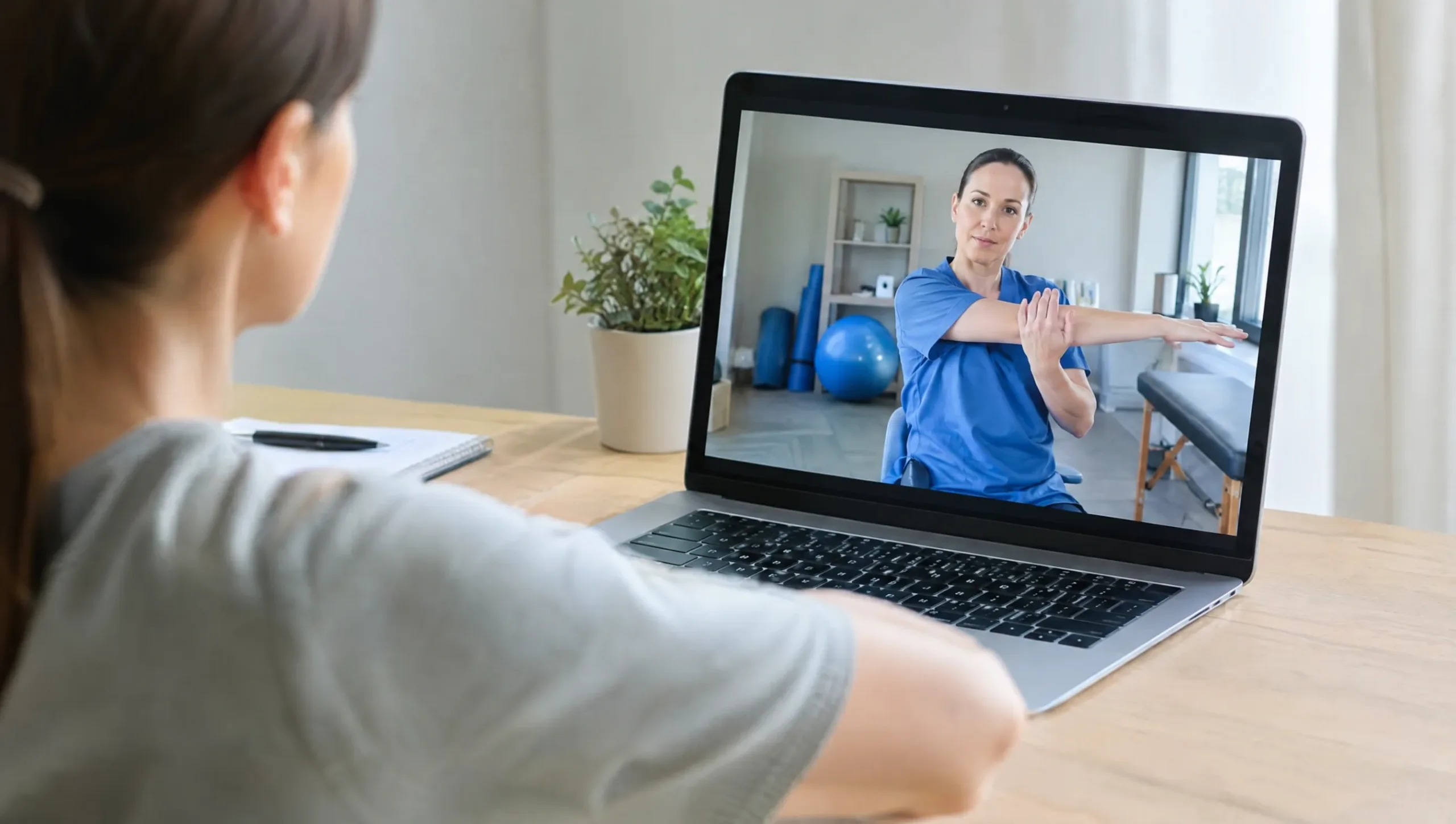
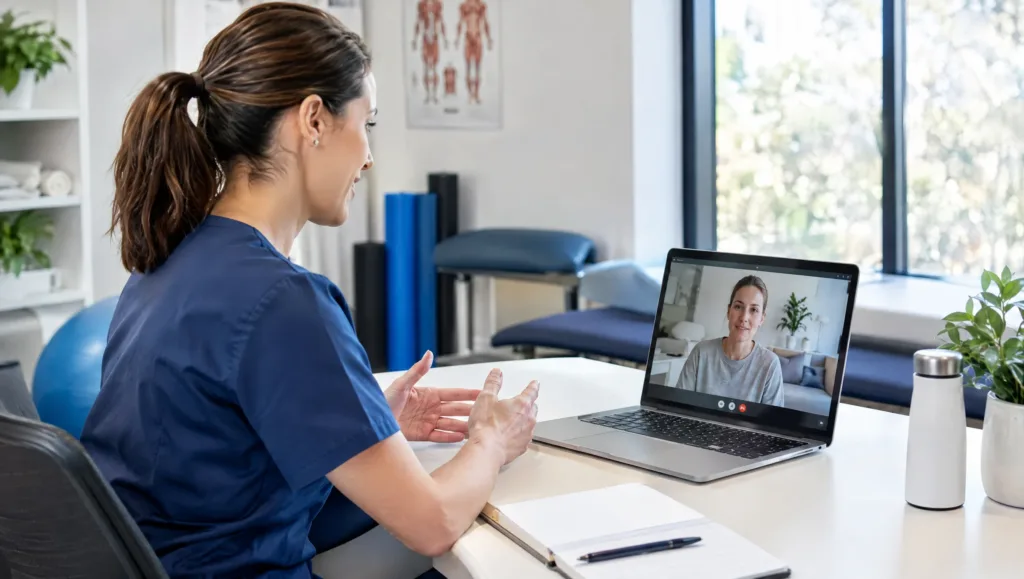
Telehealth physiotherapy (also called online physio, virtual physiotherapy, or tele-rehabilitation) is a real-time video consultation with a licensed physiotherapist, used in place of — or alongside — an in-clinic visit. It is not a pre-recorded exercise video and not a generic app. A proper telehealth physiotherapy session is a one-on-one appointment where the therapist watches you move, asks questions, adjusts your exercise program, and tracks your progress, in real time, through your camera.
In Pakistan specifically, telehealth physiotherapy has become more practical in the last few years simply because smartphone video calling is now the norm, not the exception. For patients in Rawalpindi or Islamabad who travel for work, live far from the clinic, or are temporarily unable to drive, that matters more than it sounds.
It is worth being clear about what telehealth is not: it is not a replacement for emergency care, it does not involve hands-on manual therapy, and it is not meant to diagnose a new, unexplained, or severe symptom without an in-person assessment first.
Does the Evidence Actually Support Online Physio?

This is the fair question to ask before trusting any health service, and the honest answer is: it depends heavily on the condition being treated.
For musculoskeletal conditions — things like chronic low back pain, osteoarthritis of the knee or hip, and general post-surgical rehabilitation exercise programs — several clinical trials and systematic reviews have found that telehealth-delivered physiotherapy produces pain and function outcomes that are broadly comparable to in-person care, particularly when the program is built around supervised exercise and education rather than passive hands-on treatment. The World Health Organization has also recognized telerehabilitation as a legitimate way to extend access to rehabilitation services, especially where in-person care is limited.
That said, evidence quality varies by condition, and most of the strongest studies focus on chronic, stable musculoskeletal pain rather than acute injuries, neurological conditions, or complex post-operative cases — areas where hands-on assessment still plays a bigger role. We are telling you this not to undersell telehealth, but because a responsible clinic should never claim a treatment “works for everything” when the research simply has not caught up yet.
The practical takeaway: online physiotherapy is a legitimate, evidence-supported option for many common conditions, not a last resort and not a cure-all. The right question is not “does telehealth physio work” in general, but “does it fit my specific condition and stage of recovery” — which is exactly what an initial assessment, in-person or virtual, should determine.
What Works Well in a Virtual Physiotherapy Session
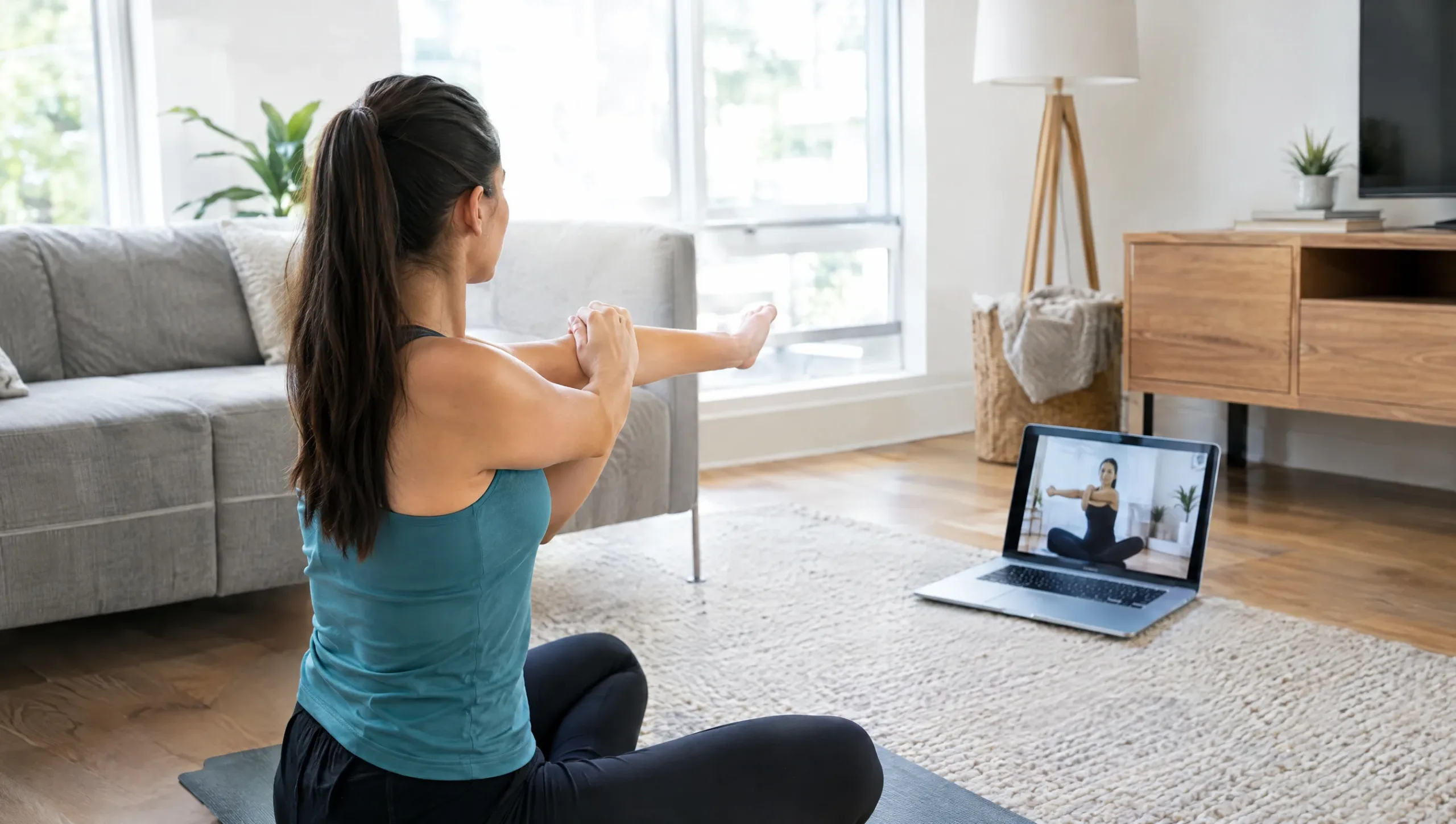
Several core parts of physiotherapy translate very well to video:
Exercise prescription and correction. A physiotherapist can watch you perform a movement — a squat, a shoulder raise, a hip bridge — and correct your form live, the same way they would in clinic, as long as the camera angle is reasonable.
Progress tracking and program progression. Range of motion, reported pain levels, and functional milestones (can you climb stairs without pain, can you sit for an hour) can all be reviewed and progressed remotely.
Education and self-management coaching. A large part of recovering from chronic pain, posture-related issues, or post-surgical stiffness is understanding what is actually happening in your body and why certain movements help or hurt. This is arguably where telehealth performs just as well as an in-clinic visit.
Ergonomic and lifestyle assessment. For office-related neck and back pain, a video call where the therapist actually sees your desk setup at home can sometimes be more useful than a clinic visit, because the problem is literally sitting in front of the camera.
Follow-up and check-in sessions. Once a patient has had an initial in-person assessment, many follow-up sessions, especially for reviewing a home exercise program, are efficiently handled online.
Where Telehealth Physiotherapy Falls Short
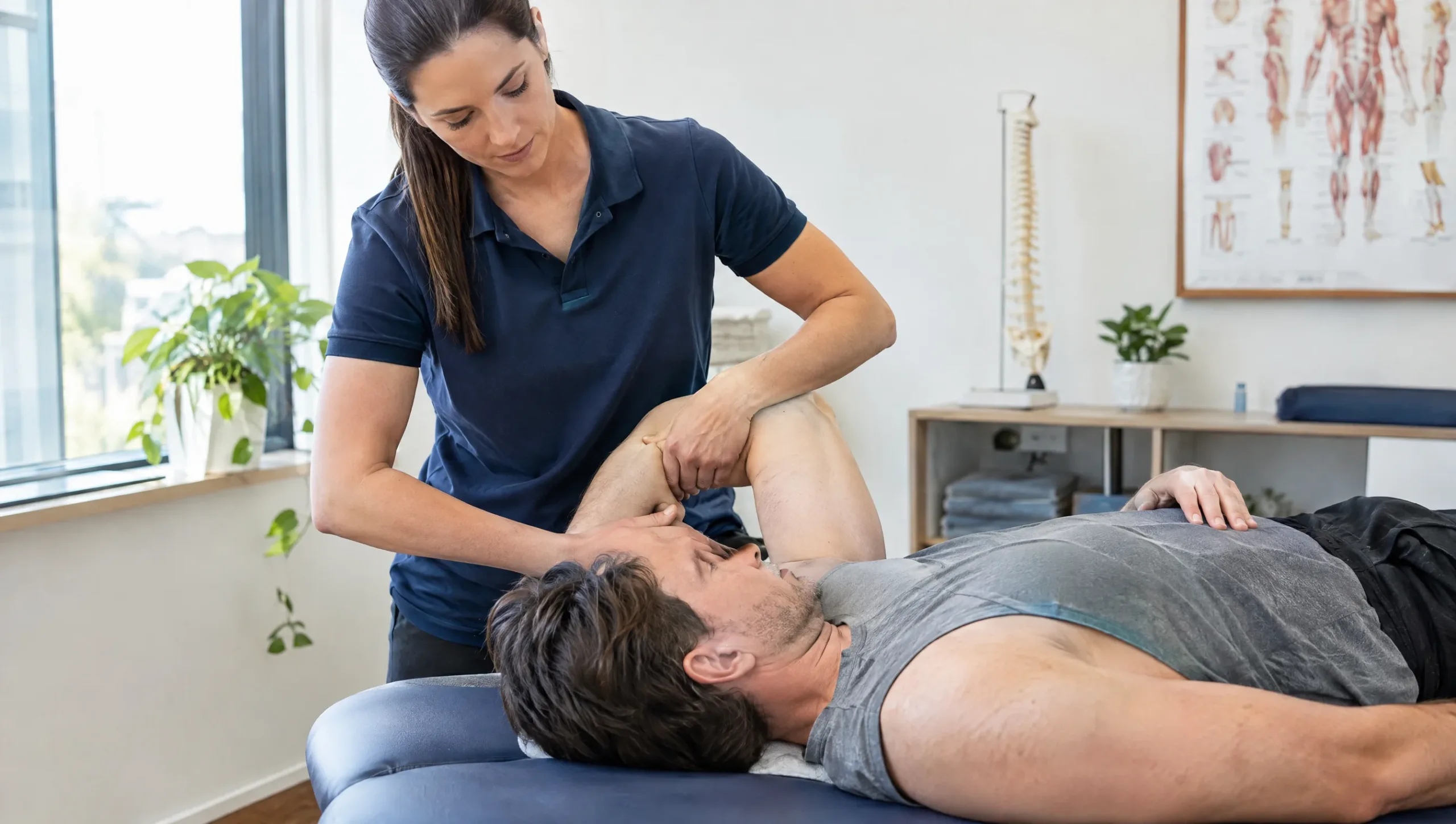
We would be doing you a disservice if we did not say this clearly: telehealth cannot do everything in-person physiotherapy does, and pretending otherwise would be dishonest marketing, not patient care.
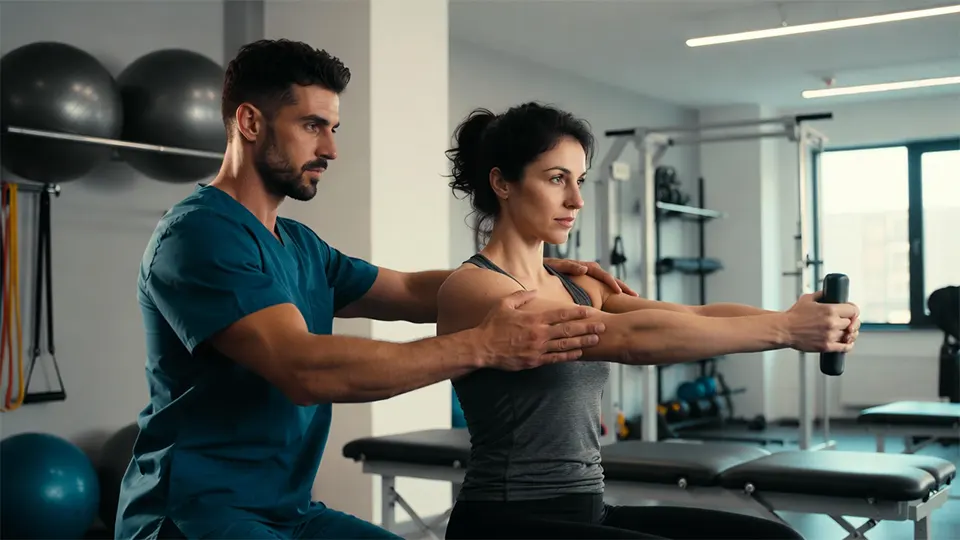
Manual therapy is impossible remotely. Joint mobilizations, soft tissue release, manual traction, and hands-on techniques for conditions like frozen shoulder or specific spinal restrictions require a therapist’s hands. If your condition genuinely needs manual therapy, telehealth alone will not get you there.
Hands-on special tests and precise palpation. Some orthopedic special tests rely on the therapist feeling for specific tissue responses, swelling, or tenderness. A camera cannot replicate touch.
New, severe, or red-flag symptoms. Sudden severe pain, significant swelling, loss of sensation, inability to bear weight, or symptoms following a major trauma need an in-person evaluation, not a video call, so that nothing serious is missed.
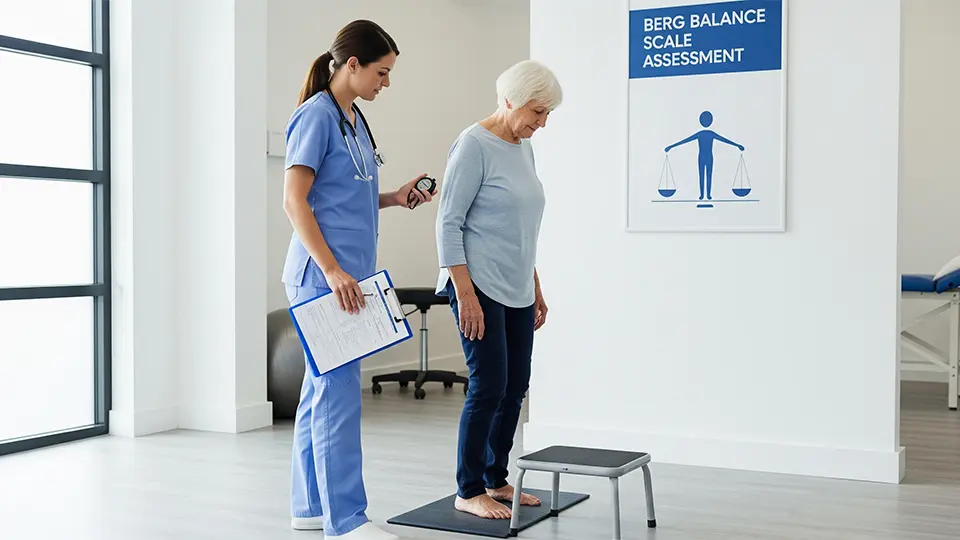
Certain neurological and balance conditions. Patients with significant balance impairment, vestibular disorders, or neurological conditions affecting coordination often need hands-on guarding and physical support that only an in-person session can provide safely.
In our own practice, we use telehealth as one tool among several, not a universal substitute — which is also why an initial in-person or detailed virtual assessment matters before deciding which format fits your condition. If anything about your symptoms feels severe, sudden, or unclear, please see a physiotherapist in person for a proper hands-on assessment before relying on a virtual session alone.
Who Benefits Most From Online Physiotherapy Sessions

Based on both the research and everyday clinical experience, certain groups tend to get the most value from telehealth physiotherapy:
Working professionals in Rawalpindi and Islamabad who cannot consistently take time off during clinic hours but can manage a 30-minute video call between meetings.
Patients continuing a program after an initial in-person assessment — once the diagnosis and manual treatment plan are set, follow-up sessions for exercise progression are a natural fit for video.
People managing chronic conditions such as long-term low back pain, mild-to-moderate osteoarthritis, or general postural dysfunction, where consistency of exercise matters more than repeated hands-on treatment.
Patients who live far from Rawalpindi or travel frequently, who would otherwise go weeks without any physiotherapy support at all.
Post-surgical patients in the later rehabilitation phase, once the surgical site has healed enough that hands-on treatment is no longer the main requirement and the focus has shifted to strength and function.
On the other hand, if you are dealing with a brand-new injury, significant pain you cannot explain, or a condition that clearly needs manual therapy, an in-person visit should come first.
What a Telehealth Physiotherapy Session Actually Looks Like
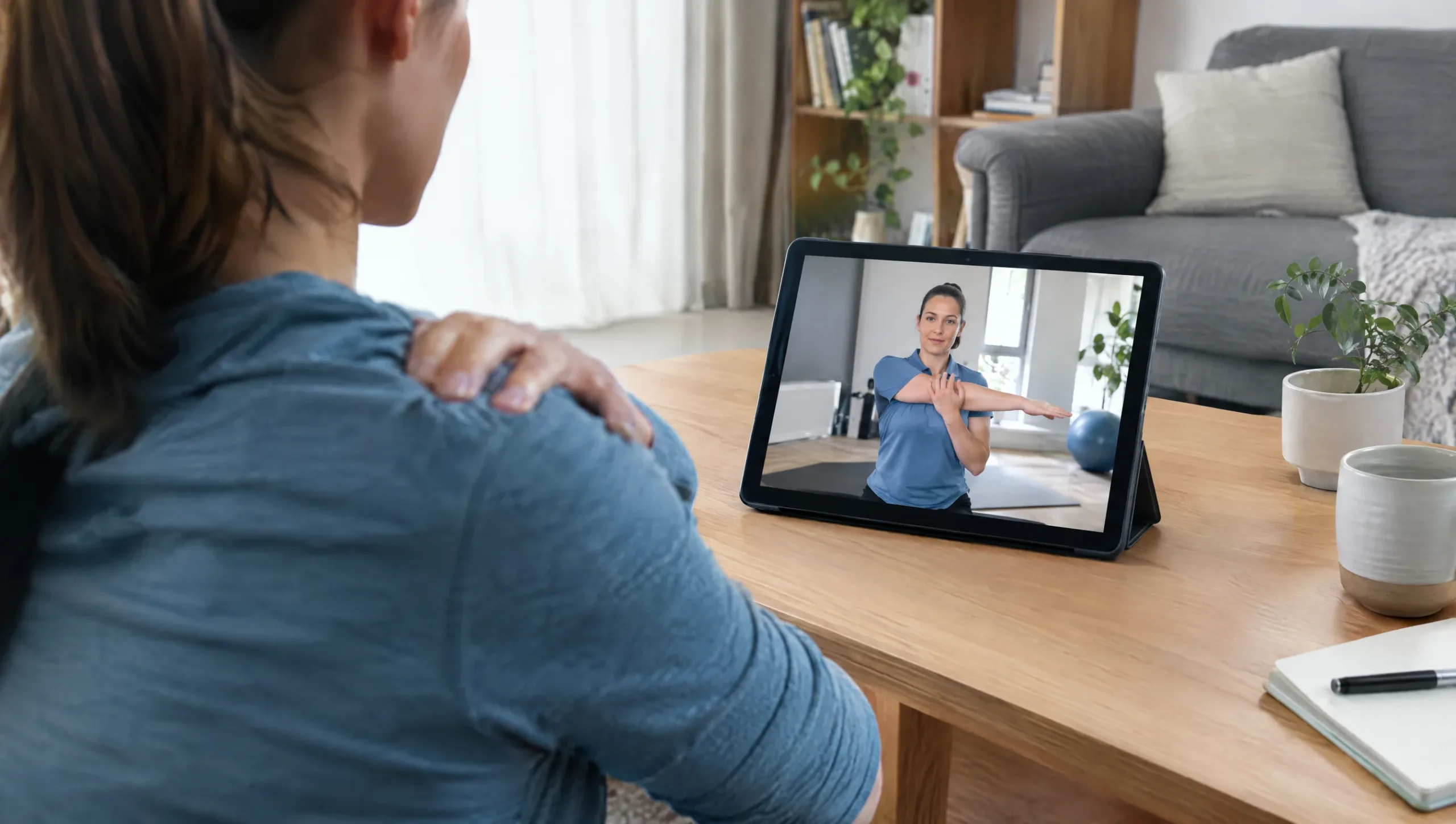
A well-run virtual physiotherapy session is more structured than most patients expect. Here is roughly how it goes:
1. Pre-session setup. You will usually be asked to find a space with enough room to move, decent lighting, and a stable position for your phone or laptop camera, often about 2 metres back so your whole body is visible.
2. History and symptom review. The physiotherapist asks about current pain, changes since the last session, and how your home exercise program has been going.
3. Movement assessment. You will be guided through specific movements so the therapist can watch your range of motion, compensations, and pain response live.
4. Exercise instruction and correction. New exercises are demonstrated and you perform them on camera while the therapist corrects form in real time, the same coaching you would get in person.
5. Plan and home program update. The session closes with an updated home exercise plan, often sent afterward in writing so you are not relying on memory.
Sessions typically run 30 to 45 minutes, and most clinics, including ours, will tell you upfront if your presentation seems better suited to an in-person visit instead.
Getting the Most Out of Your Online Physio Session
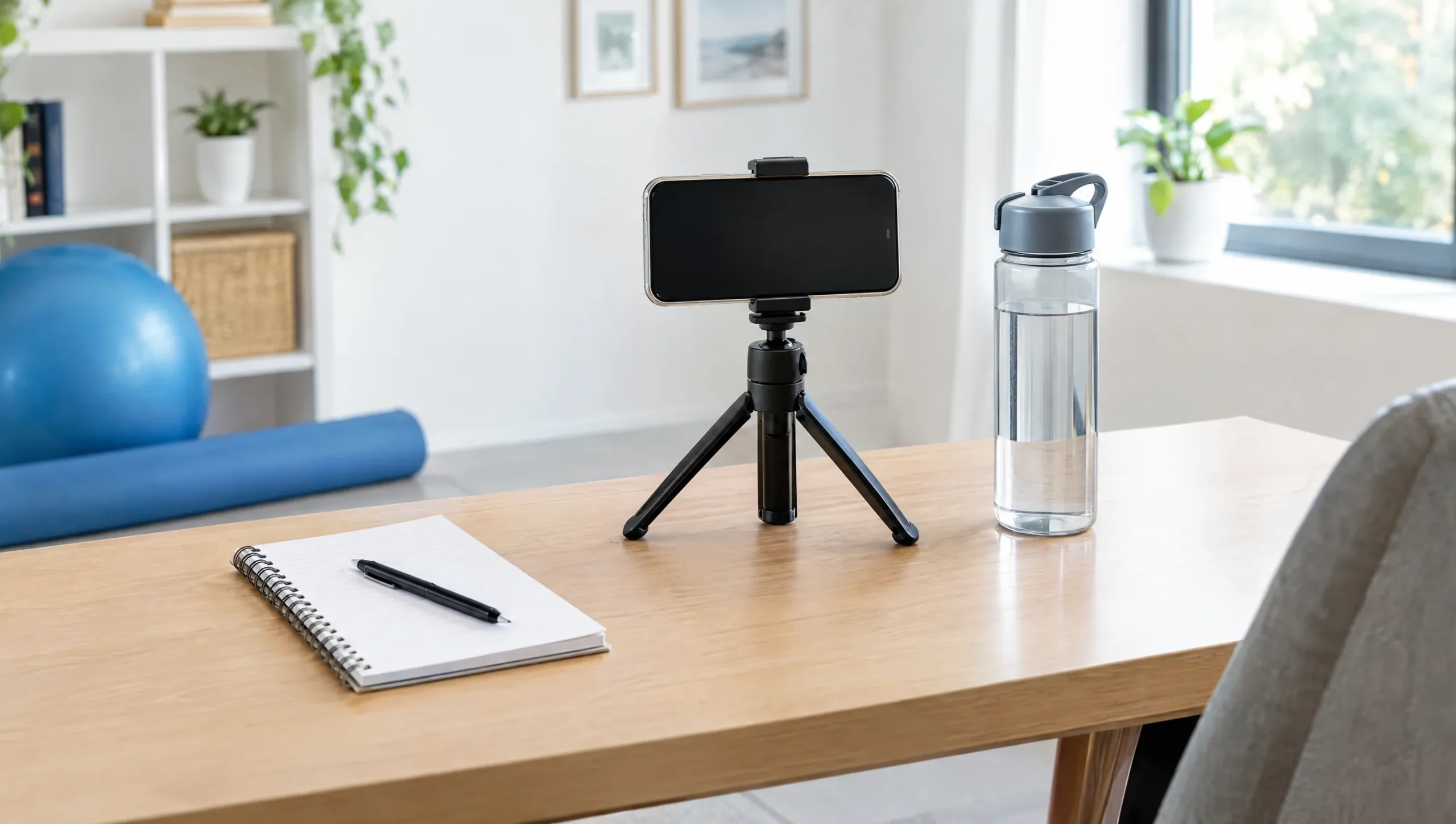
A handful of simple preparation steps make a real difference to how useful a telehealth session is:
Choose a stable device position. Prop your phone against something solid rather than holding it — a shaky camera makes it hard for the therapist to assess movement accurately.
Wear clothing that shows the relevant joint or region. A therapist assessing your knee cannot evaluate much through loose trousers.
Test your internet connection beforehand. A dropped call mid-assessment wastes time that could go toward your actual treatment.
Keep a simple symptom log between sessions. Noting pain levels, triggers, and how exercises felt gives the therapist far more to work with than “it’s been okay.”
Be upfront if something feels off. If a new or worsening symptom appears, say so immediately — this is often the trigger for recommending an in-person visit rather than continuing online.
For a deeper look at how a physiotherapy program is typically structured from first visit to discharge, our Physiotherapy FAQ: Expert Answers page covers many of these fundamentals in more detail, and our guide to physiotherapy for office workers’ back pain is a useful example of a condition that often responds well to a hybrid in-person and telehealth approach.
According to Mayo Clinic’s overview of telehealth, virtual care is most effective when it is used for the right type of visit and combined with in-person care when a hands-on exam is needed — which lines up closely with how we use it in our own practice.
Frequently Asked Questions

Is online physiotherapy as effective as an in-clinic session?
For many chronic musculoskeletal conditions and for exercise-based follow-up care, research suggests outcomes can be comparable. For conditions needing manual therapy, hands-on assessment, or urgent evaluation, an in-person visit is still the better choice.
What equipment do I need for a telehealth physiotherapy session in Pakistan?
Just a smartphone, tablet, or laptop with a working camera and a stable internet connection. No special software is usually required beyond a simple video call link sent before your appointment.
Can a physiotherapist actually diagnose my problem over video call?
A physiotherapist can form a strong working assessment from your history and observed movement, but some diagnoses genuinely require hands-on palpation or special tests. If your symptoms are unclear or severe, an in-person assessment is recommended before relying on a virtual diagnosis.
Is telehealth physiotherapy suitable for elderly patients with balance problems?
Not usually as a sole treatment. Patients with significant balance or fall risk generally need an in-person assessment and hands-on guarding for safety, though some follow-up education and exercise review can still happen online once a baseline has been established in person.
If you are unsure whether your specific condition is suitable for a virtual session or needs to start in person, it is always safer to ask a qualified physiotherapist directly rather than guessing — this article is for general education and does not replace an individual clinical assessment.
If you are in Rawalpindi or Islamabad and want to find out whether telehealth, in-clinic treatment, or a combination of both fits your condition, book an appointment with Physio Rehab Solution in Rawalpindi or call us at +92 321 4287773 to discuss your symptoms and the best way to start treatment.
— Dr. Iqra Kiran, DPT, Physio Rehab Solution, Rawalpindi